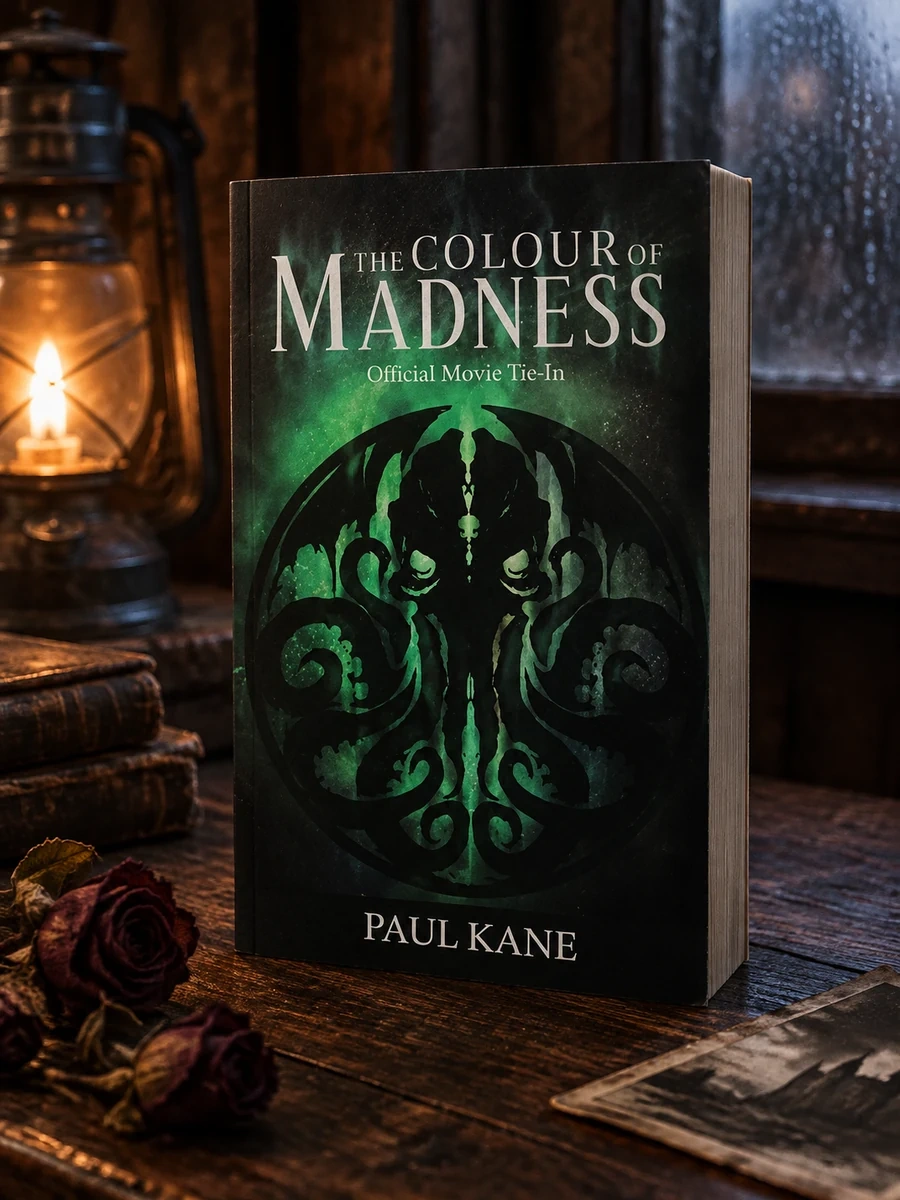

The Colour of Madness
Paul Kane's collection ties his novelette to its film adaptation with scripts and photos.
This volume bridges literature and cinema by pairing Paul Kane's original story with visual production materials. The inclusion of script extracts allows readers to see how dialogue and scene descriptions were adapted for the screen. Behind the scenes pictures offer a glimpse into the physical creation of the movie. Men of the Cloth serves as the foundational text, showing the source material before it became a film. This combination appeals to those who want to understand the mechanics of adaptation. It provides a direct view of Kane's creative choices in transforming prose into visual storytelling.
Paul Kane is a master of modern horror. This 2020 release from Luna Press Publishing connects his literary work to its cinematic counterpart. The book sits at the intersection of gothic fiction and film production, offering fans a look at how supernatural stories move between pages and screens.


📝 Description: The Colour of Madness
💎 Our verdict on The Colour of Madness
📖 Why choose it
Why this book is worth reading
Readers interested in the creative process behind genre films will find this book particularly rewarding. It offers a concrete look at how literary ideas translate to visual media, making it ideal for those who appreciate supernatural fiction and want to understand the mechanics of adaptation. By including script extracts and behind-the-scenes pictures alongside the original novelette, the work allows fans to compare the written word with its visual counterpart. This structure highlights the evolution of a single narrative across different mediums, providing insight into the author's creative choices in transforming prose into visual storytelling for those who value the tangible artifacts of film production.
⭐ Reader reviews
Reader rating
Paul Kane’s *The Colour of Madness* effectively bridges literature and cinema by pairing his original story with essential production materials. The inclusion of script extracts allows readers to observe how dialogue and scene descriptions were adapted, while behind-the-scenes images provide a glimpse into the physical creation of the movie. This combination appeals to those seeking to understand the mechanics of adaptation rather than just consuming the final product. The organization moves logically from the source text to cinematic elements, offering a direct view of Kane’s creative choices. It is best suited for horror enthusiasts interested in the craft of filmmaking and the transformation of narrative across mediums, though it may feel narrow to those seeking broader historical surveys.
📖 Read on the blog
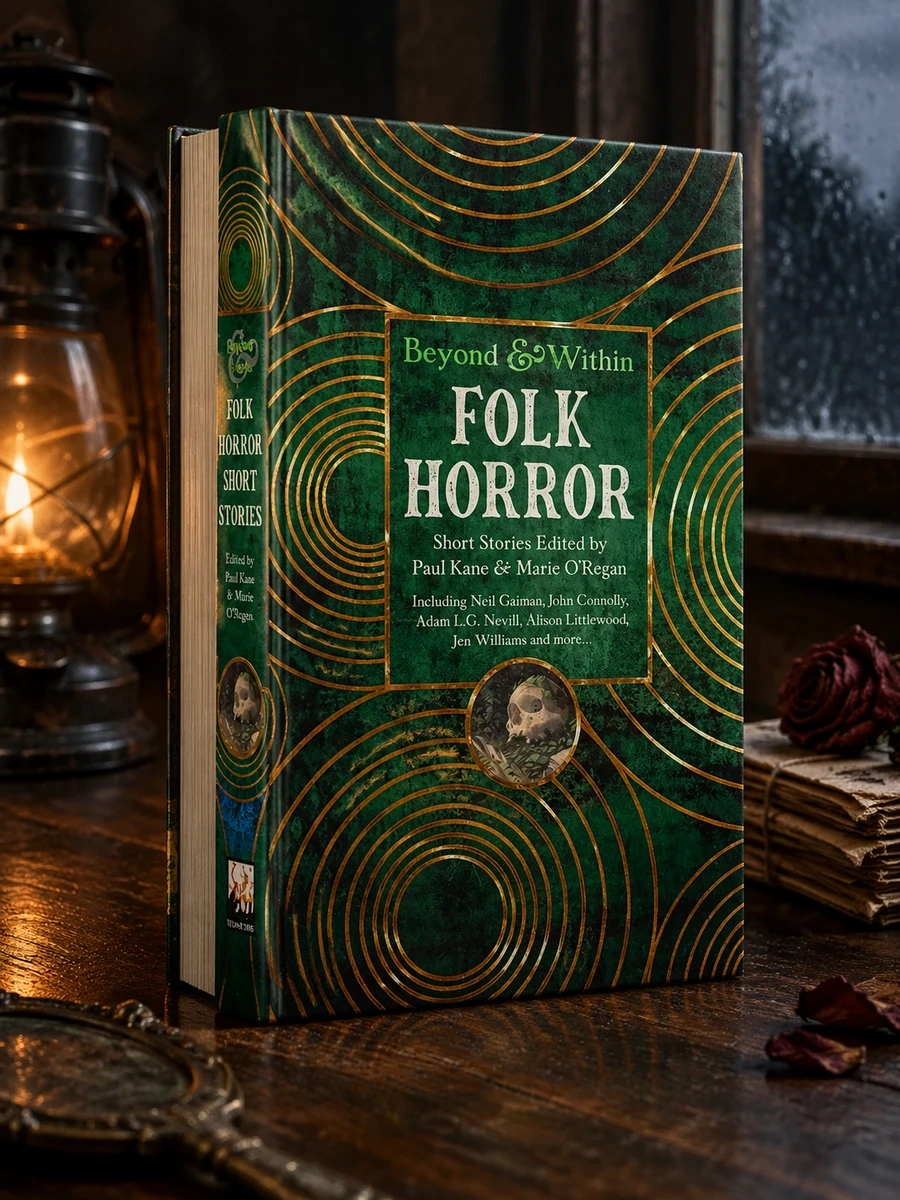
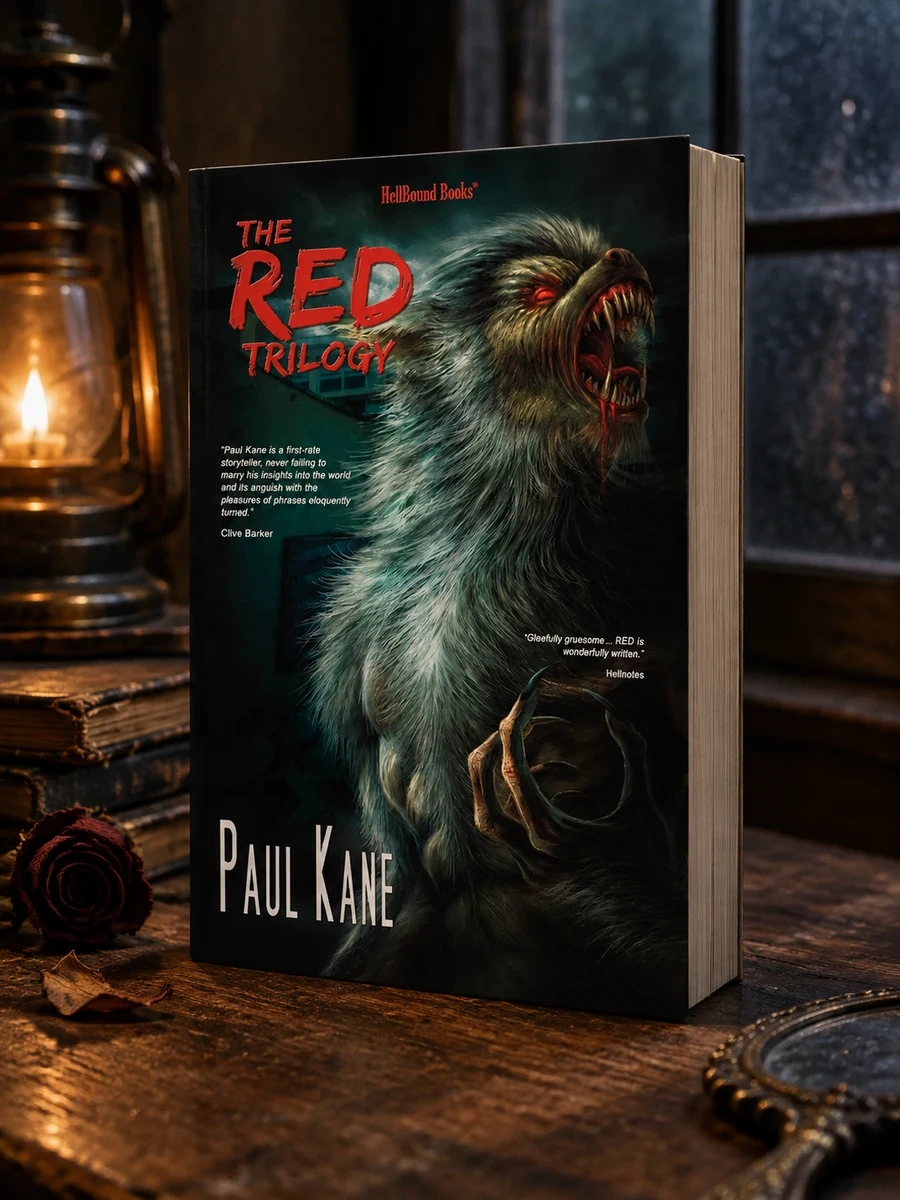
✍️ More books by this author Paul Kane



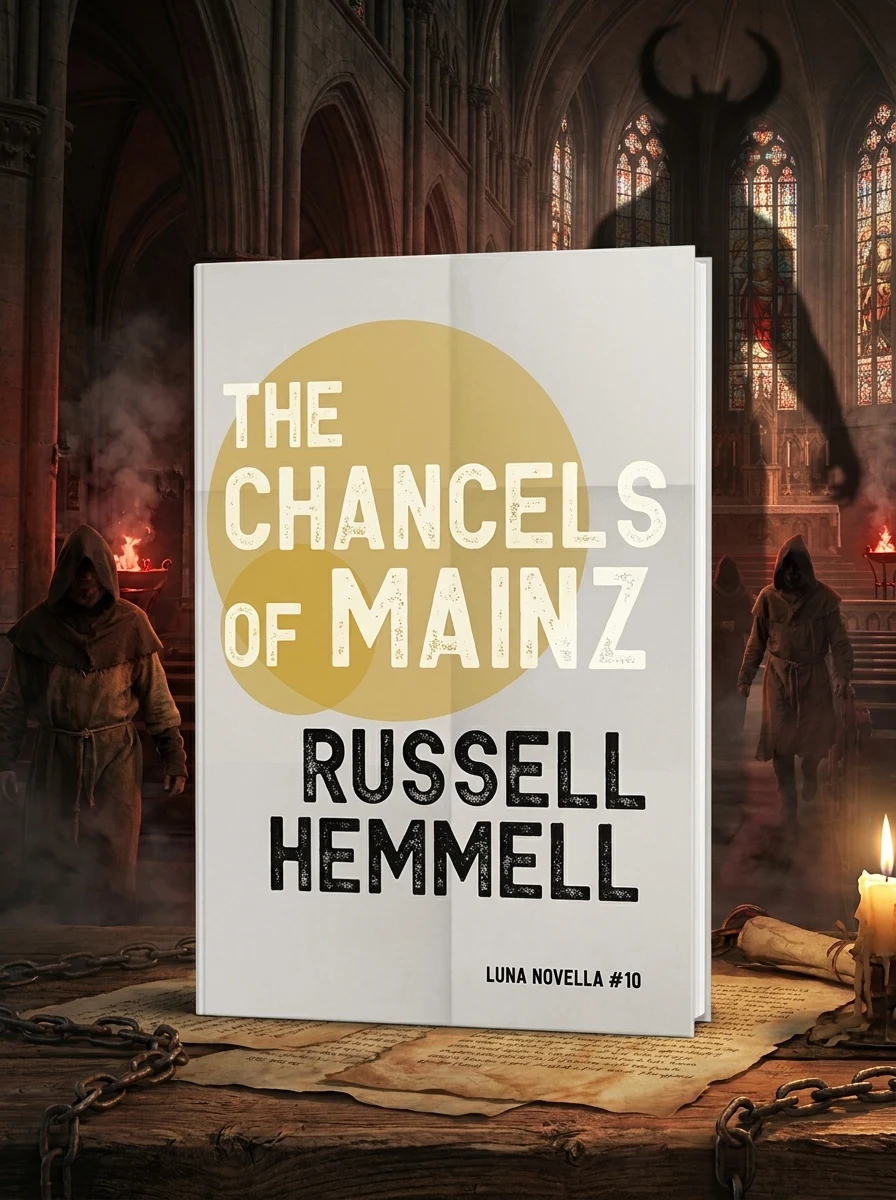
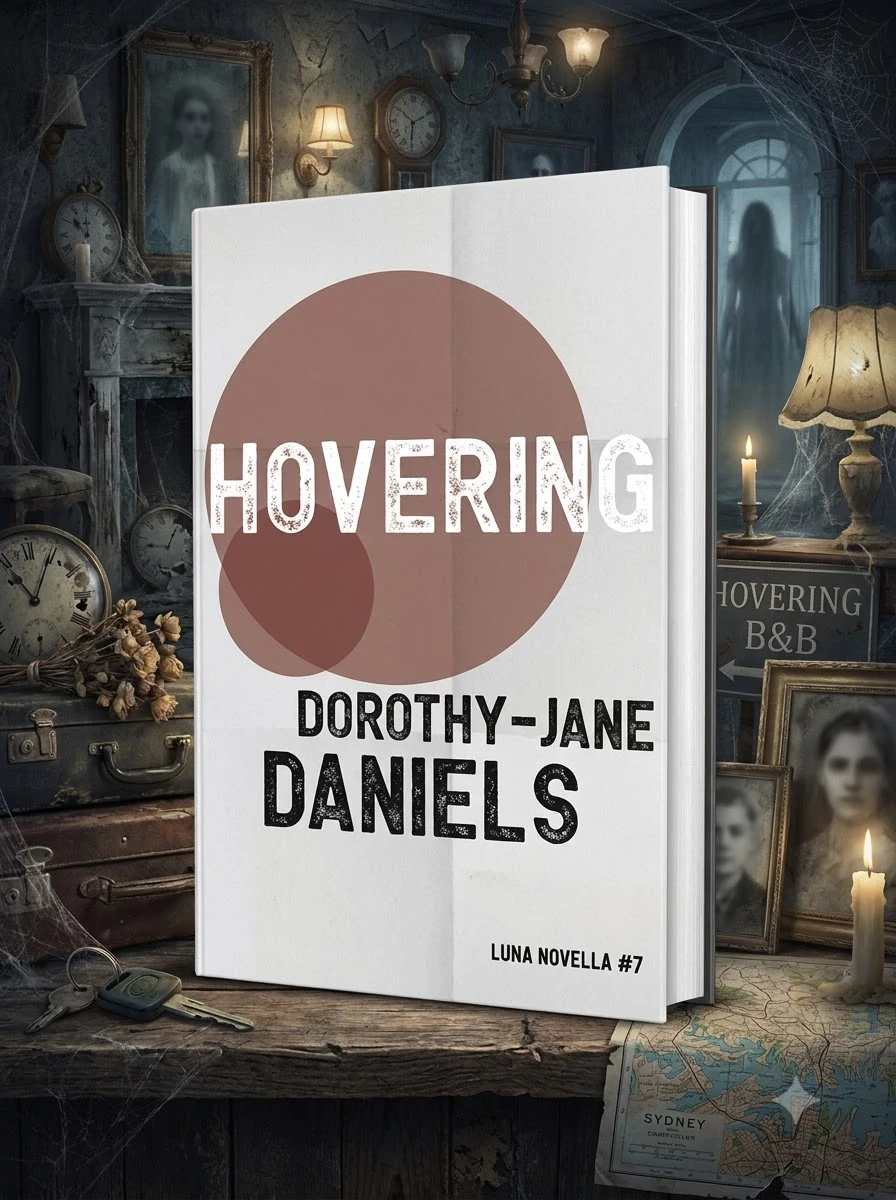
🏛 Books from this publisher Luna Press Publishing

You might also like
See more →
Have a question about this item?
Ask about the edition, condition, delivery or anything else — we reply by email or phone, usually within a day.
