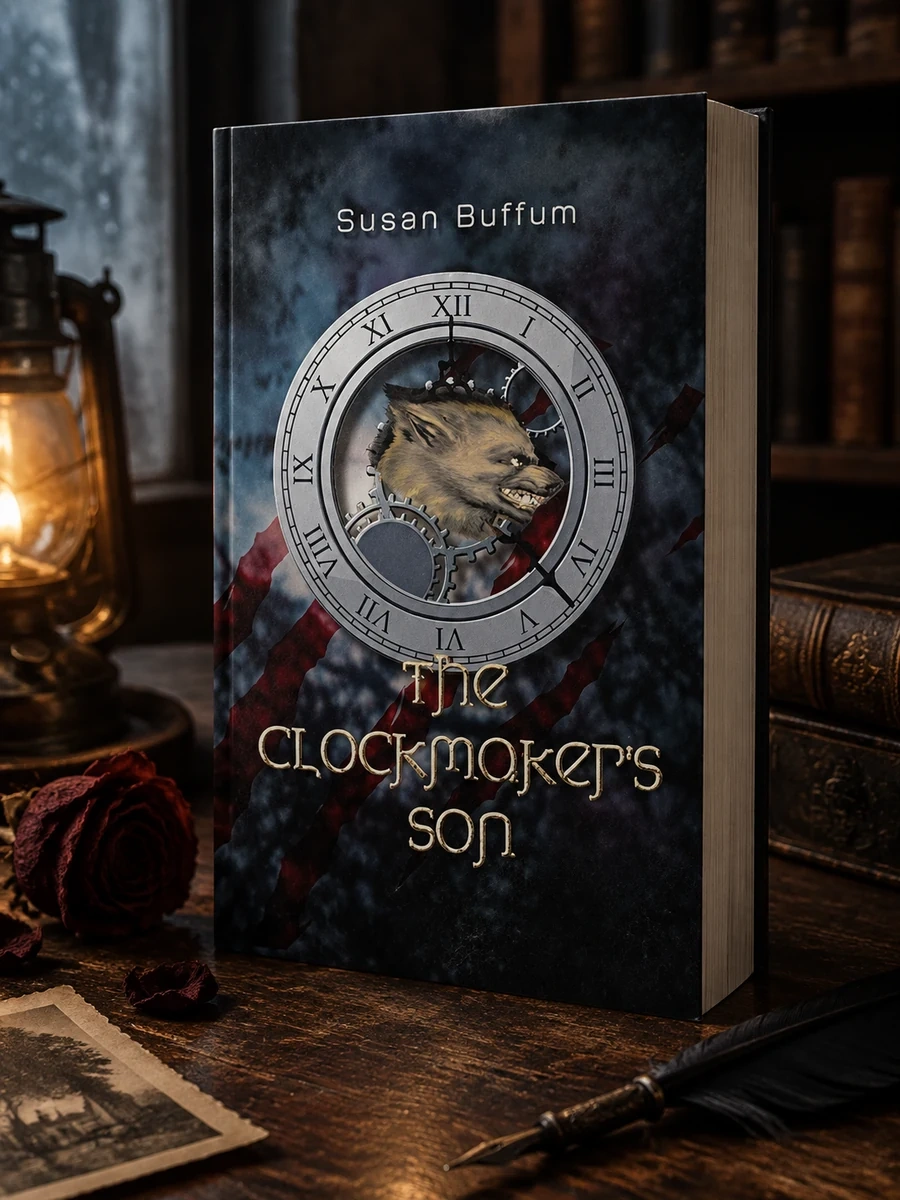

The Clockmaker's Son
A son returns home to stop a fifteen-year killing spree by revealing a dark family secret.
J. Rand Beresford faces a difficult choice in Pine Haven, Massachusetts. His father’s death approaches, but the real danger is the series of brutal murders occurring nearby. These events have haunted the community for nearly fifteen years. Beresford knows exactly what causes these deaths. He also knows he is the only one capable of ending them. The story focuses on his internal struggle as he prepares to act. He must decide if stopping the violence is worth exposing a long-held secret. The narrative does not shy away from the cost of truth. It shows how personal history intersects with public terror. The tension builds through Beresford’s reluctance and eventual resolve. Readers follow his journey from avoidance to confrontation. The plot hinges on the power of knowledge and the fear of its release.
The book is published by Dark Ink Press in 2018. It fits into the American horror tradition focusing on small-town isolation. The setting in Massachusetts grounds the supernatural elements in a specific regional context. The fifteen-year timeline suggests lingering community trauma and collective memory.


📝 Description: The Clockmaker's Son
💎 Our verdict on The Clockmaker's Son
📖 Why choose it
Why this book is worth reading
Readers who appreciate atmospheric, character-driven horror will find value in this narrative. It appeals to those interested in the psychological weight of family secrets and the consequences of silence. The story offers a slow-burn tension focused on internal conflict rather than external spectacle. Those who enjoy examining how past sins resurface during present crises will engage with Beresford’s moral dilemma. It is ideal for fans of gothic traditions where isolation and dread are paramount. The book provides a thoughtful exploration of truth versus safety, making it suitable for readers seeking depth over fast-paced action.
⭐ Reader reviews
Reader rating
Susan Buffum crafts a compelling study of psychological horror rooted in the American gothic tradition. By confining the setting to Pine Haven, she effectively builds an atmosphere of isolation and impending doom. The narrative excels in portraying J. Rand Beresford’s internal struggle, balancing the fear of exposure against the necessity of stopping violence. While it lacks fast-paced action, the slow build creates genuine tension for those who prioritize character psychology. It suits readers who enjoy domestic horror and stories where personal history intersects with public terror. The resolution relies entirely on moral courage rather than magical fixes, offering a grounded, intense experience.
📖 Read on the blog
✍️ More books by this author Susan Buffum



You might also like
See more →




Have a question about this item?
Ask about the edition, condition, delivery or anything else — we reply by email or phone, usually within a day.
