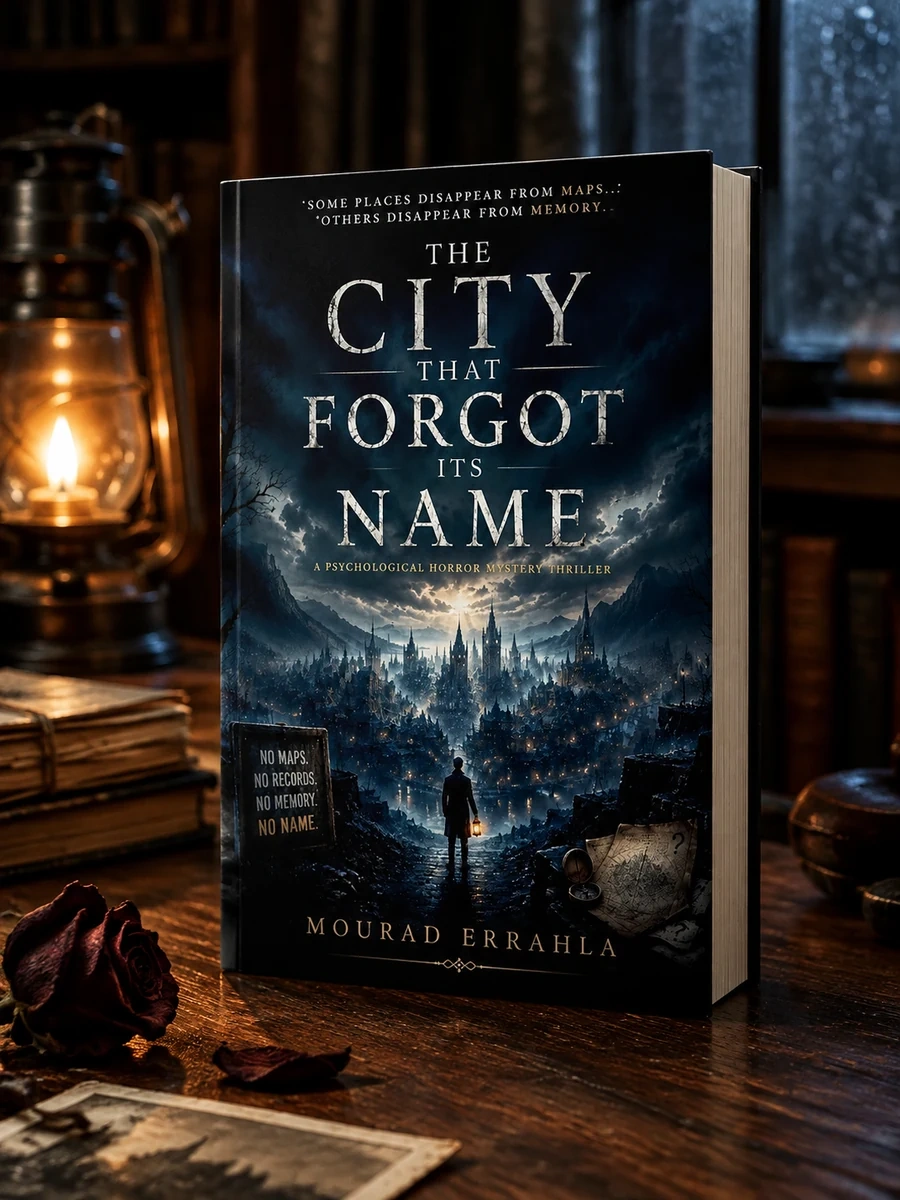
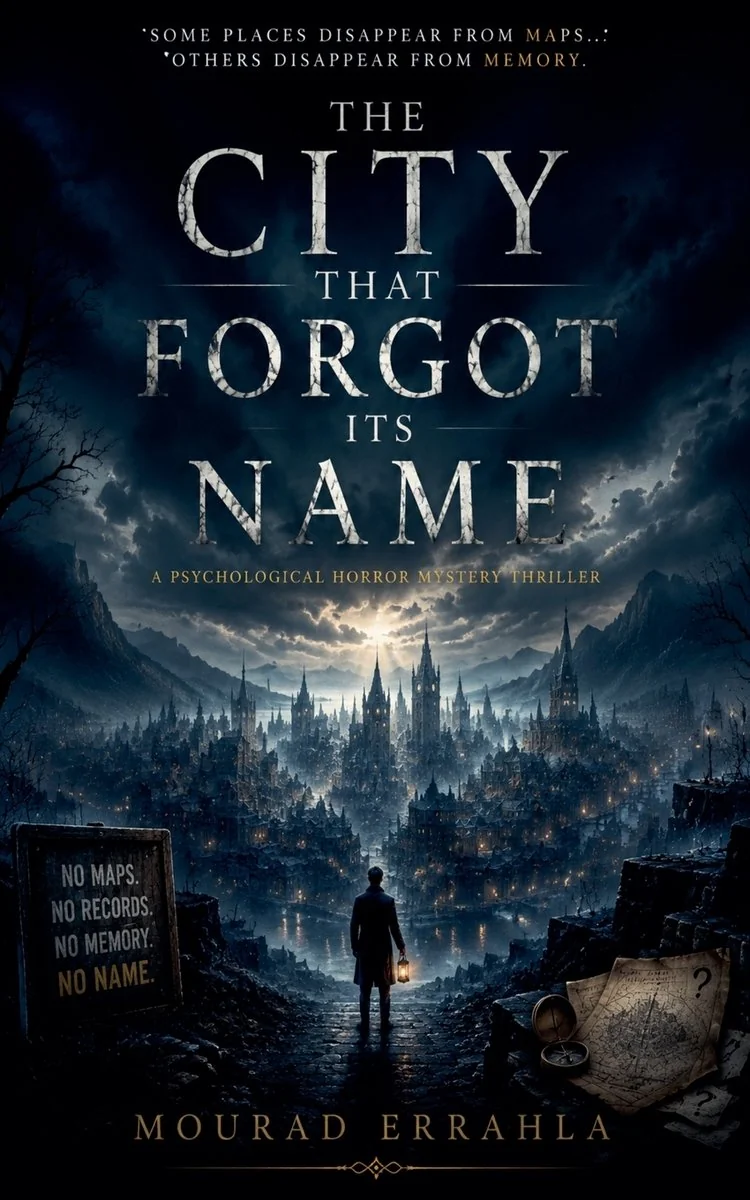
The City That Forgot Its Name
A journalist hunts for his brother in a city that erases its own history.
This novel examines the fragility of human memory through the lens of supernatural horror. It explores how trauma can manifest as a literal loss of place and identity. The story does not rely on jump scares but rather on the slow, creeping dread of realizing one's past is false. It appeals to readers who enjoy psychological tension and gothic atmospheres where the setting itself acts as an antagonist.
The work sits within the contemporary American tradition of supernatural fiction, published in 2026. It engages with modern anxieties about identity and the reliability of personal narrative, presenting a world where geography and memory are inextricably linked through a dark, hidden past.


📝 Description: The City That Forgot Its Name
💎 Our verdict on The City That Forgot Its Name
📖 Why choose it
Why this book is worth reading
Readers who appreciate atmospheric dread and psychological tension over conventional jump scares will find profound satisfaction in this narrative. The book appeals to those fascinated by the erosion of identity and the terror associated with losing one's past. It offers a unique exploration of how trauma manifests as a literal loss of place, providing a disorienting yet intellectually stimulating experience. Fans of gothic atmospheres where the environment itself acts as an antagonist will enjoy the slow-burn mystery that questions the reliability of memory. The story immerses the audience in the confusion of forgotten histories, making it ideal for those seeking a haunting examination of self through the lens of supernatural horror rather than simple thriller mechanics.
⭐ Reader reviews
Reader rating
Mourad Errahla crafts a compelling psychological horror mystery that prioritizes creeping dread over shock value. By positioning the city as an antagonist that erases history, the narrative effectively externalizes internal trauma. The focus on shifting streets and unknown faces creates a potent sense of disorientation, drawing readers into the protagonist's crumbling reality. While grounded realism seekers may find the metaphysical elements jarring, fans of atmospheric gothic fiction will appreciate the nuanced exploration of memory loss. The book succeeds in its aim to immerse the reader in the terror of forgetting, offering a haunting, unresolved journey that lingers long after the final page.
📖 Read on the blog
✍️ More books by this author Mourad Errahla


🏛 Books from this publisher Mourad Errahla
You might also like
See more →


Have a question about this item?
Ask about the edition, condition, delivery or anything else — we reply by email or phone, usually within a day.
