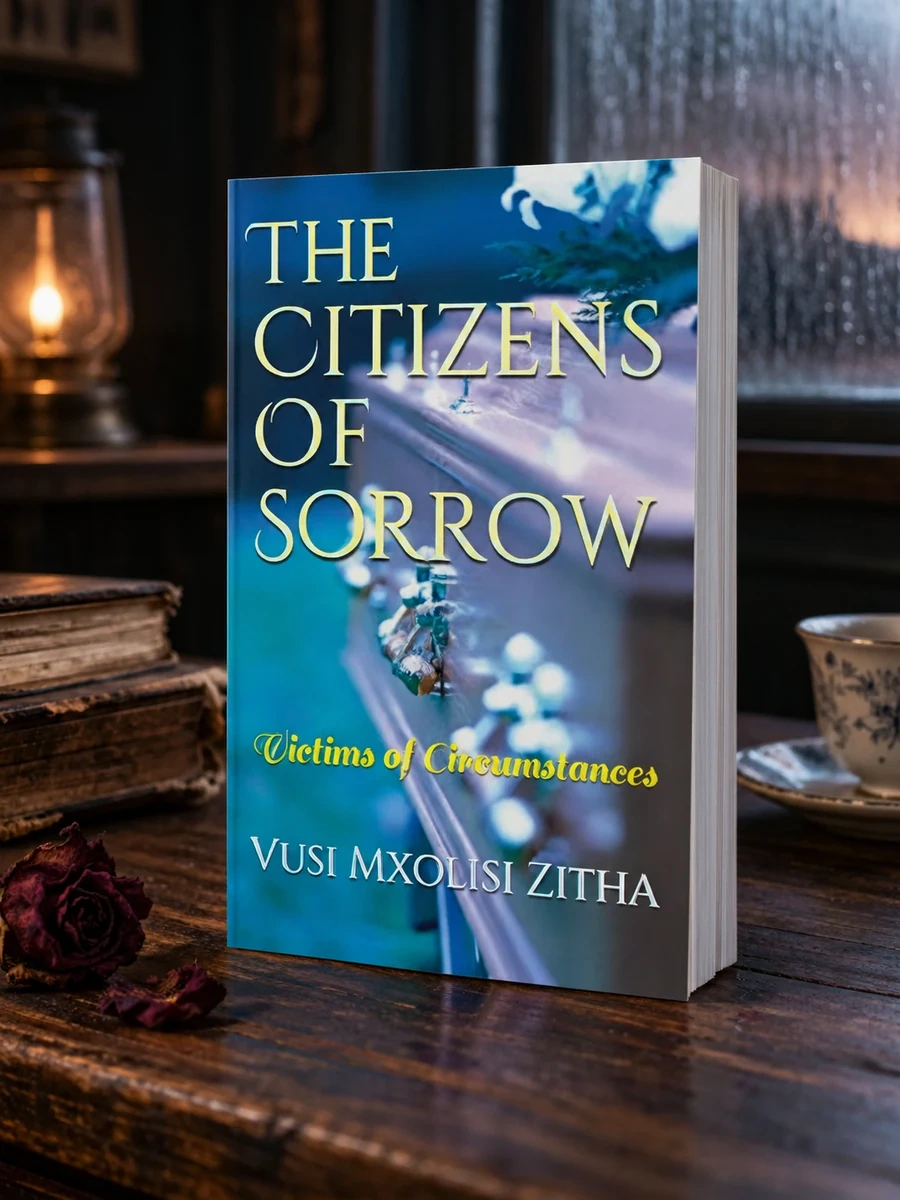
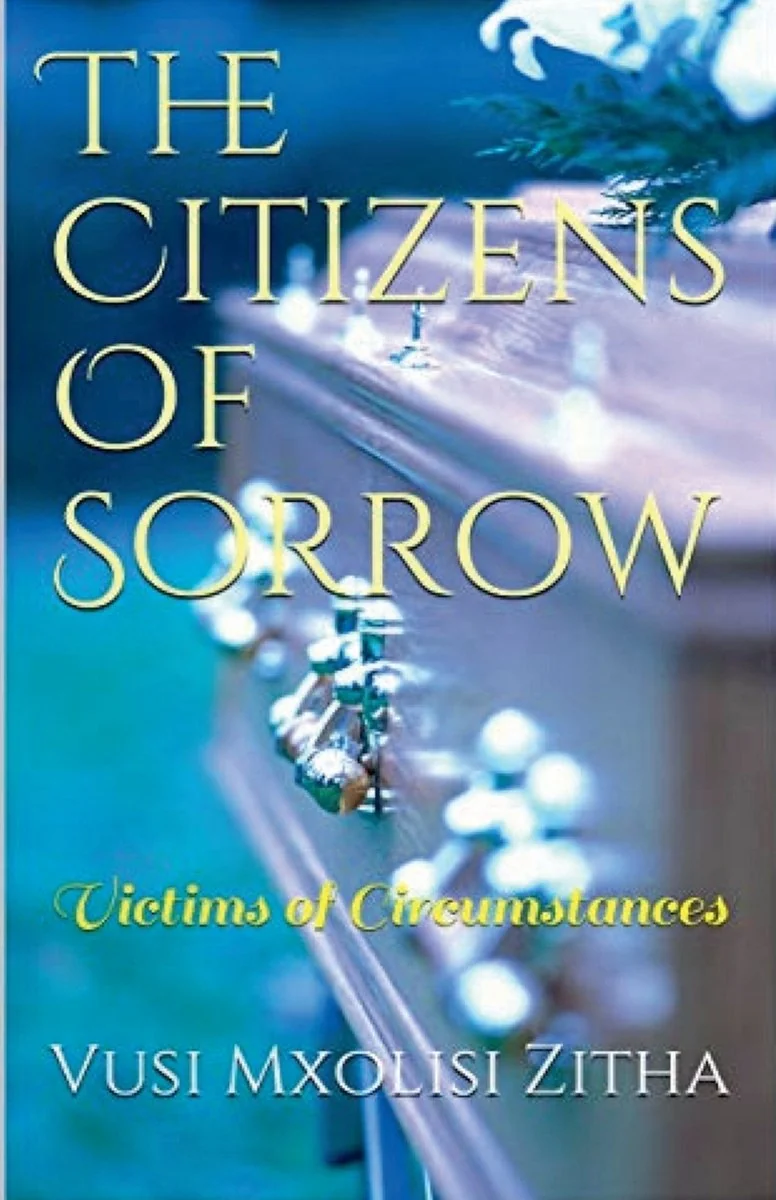
The Citizens of Sorrow
A family's secret resentment triggers a chain of deadly events across two villages.
Zitha constructs a tale where domestic imbalance leads to widespread ruin. The central conflict arises from a father’s preference for his son, which alienates the boy from his identity. He sees himself excluded while his sisters are glorified. This isolation fuels his insecurities, which then intersect with his uncle’s greed. Together, these forces drive the plot toward multiple deaths. The story does not rely on supernatural monsters but on human flaws. It shows how a single family’s dysfunction can destroy an entire community. The narrative structure follows the boy’s maturation and the subsequent fallout of his actions.
The book is set in a small urban environment where traditional family structures are tested. It draws on themes of gender preference and parental expectation common in many societies. The story reflects on how personal insecurities can disrupt social harmony and lead to violence within close-knit communities.


📝 Description: The Citizens of Sorrow
💎 Our verdict on The Citizens of Sorrow
📖 Why choose it
Why this book is worth reading
Readers interested in the darker aspects of human psychology will find this book compelling, as it dissects how personal insecurities can manifest as external disaster. It appeals to those who enjoy stories about the weight of sibling rivalry and the dark side of parental preference. The narrative offers a chilling examination of moral failure within a specific social setting, making it ideal for fans of family drama where internal conflicts trigger catastrophic events. Those seeking lighthearted romance or pure adventure may find the tone too heavy, but enthusiasts of true crime and gothic undertones will appreciate the realistic depiction of ruin caused by human flaws rather than monsters.
⭐ Reader reviews
Reader rating
Vusi Mxolisi Zitha constructs a tense narrative where domestic imbalance leads to widespread ruin. The central conflict arises from a father’s preference for his son, which alienates the boy from his identity and fuels deep insecurities. These personal failings intersect with his uncle’s greed, driving the plot toward multiple deaths across two villages. The story does not rely on supernatural monsters but on human flaws, showing how a single family’s dysfunction can destroy an entire community. The narrative structure follows the boy’s maturation and the subsequent fallout of his actions, offering a sobering look at the consequences of familial neglect. It is a powerful exploration of envy and the destructive power of resentment.
You might also like
See more →







Have a question about this item?
Ask about the edition, condition, delivery or anything else — we reply by email or phone, usually within a day.
