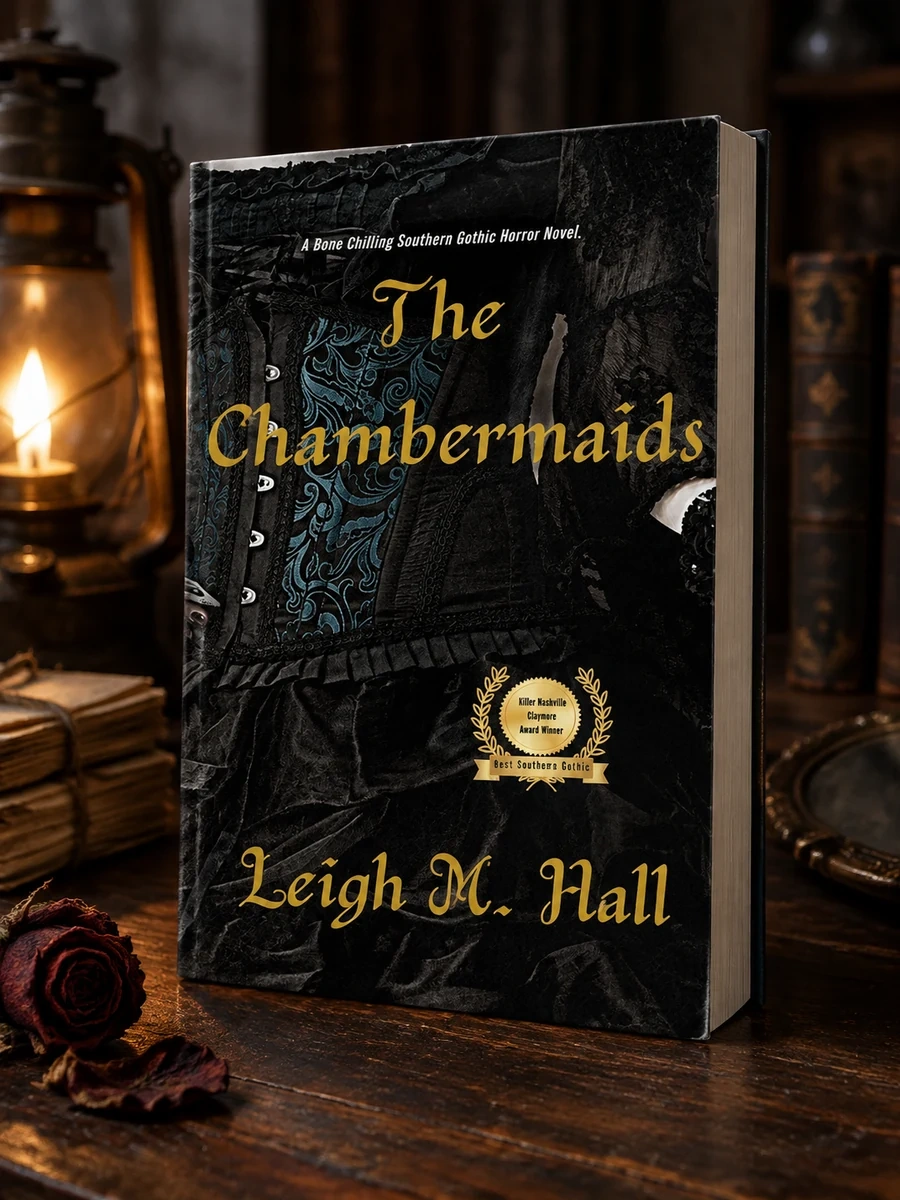
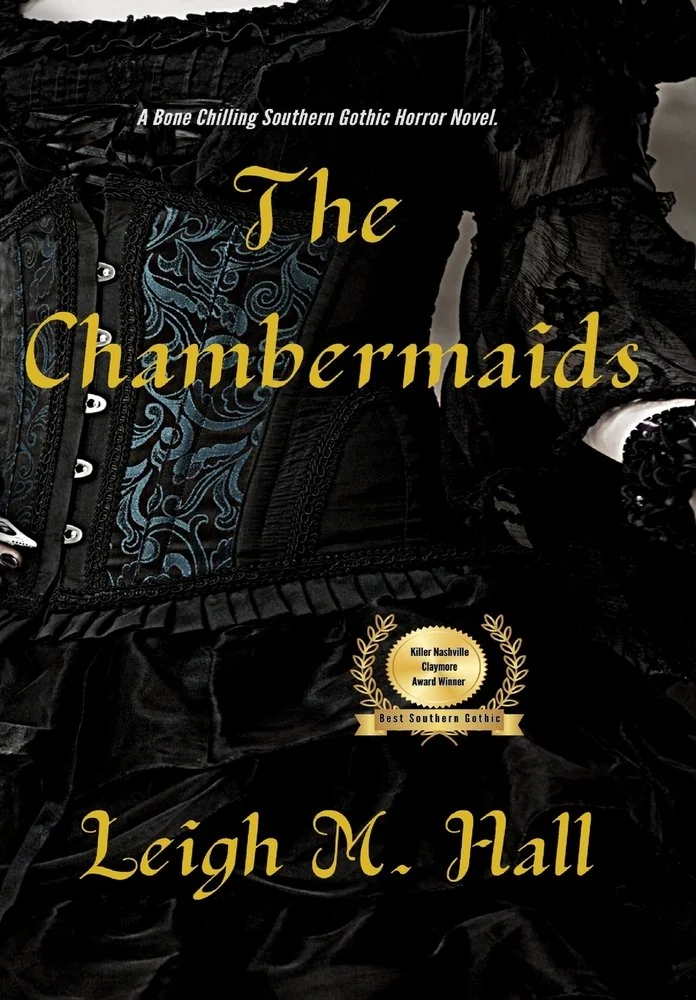
The Chambermaids
A post-Civil War couple faces supernatural dread in an inherited estate.
Wilbur and Elouise Saxton lose their wealth after the Civil War and move south to a decanted family home. Elouise discovers her late uncle’s property holds a concealed history. Two strange women arrive to help, altering the household dynamic. Wilbur becomes enchanted by them while Elouise suffers mental decline. The plot focuses on the erosion of trust and reality within the marriage. Hall uses the setting to explore themes of control and inherited trauma. The narrative avoids traditional horror tropes in favor of psychological unease. The story questions whether Elouise’s fate was predetermined or avoidable. Her struggle is both physical and mental as she pieces together clues about the land's dark past.
The narrative is set in the American South immediately following the Civil War. It reflects the era's social upheaval through the Saxton family's financial loss and relocation. The story engages with gothic literary traditions by using an inherited estate as a site of horror. The historical context grounds the supernatural elements in post-war trauma and displacement.


📝 Description: The Chambermaids
💎 Our verdict on The Chambermaids
📖 Why choose it
Why this book is worth reading
Readers who appreciate slow-burn horror and psychological unease will find this title compelling. It offers a deep dive into the erosion of trust within a marriage under supernatural pressure. Those interested in gothic traditions involving decaying estates and family secrets will engage with the gradual unraveling of domestic stability. The book suits those who prefer character-driven tension over external threats. It explores complex questions about fate, choice, and agency without providing easy answers. Fans of historical trauma narratives blended with dark fantasy may also find value in its examination of control and inherited pain.
⭐ Reader reviews
Reader rating
Hall crafts a tense atmosphere where psychological dread replaces traditional horror tropes. The narrative effectively shifts from hope to survival through subtle character interactions rather than overt scares. Elouise’s struggle for agency provides a compelling core conflict amidst the eerie pressure of the setting. While the lack of clear resolution may frustrate some, it aligns with the story’s thematic ambiguity. This book is best suited for readers who enjoy intricate explorations of mental decline and historical displacement. It succeeds in building tension through domestic instability and hidden truths.
You might also like
See more →






Have a question about this item?
Ask about the edition, condition, delivery or anything else — we reply by email or phone, usually within a day.
