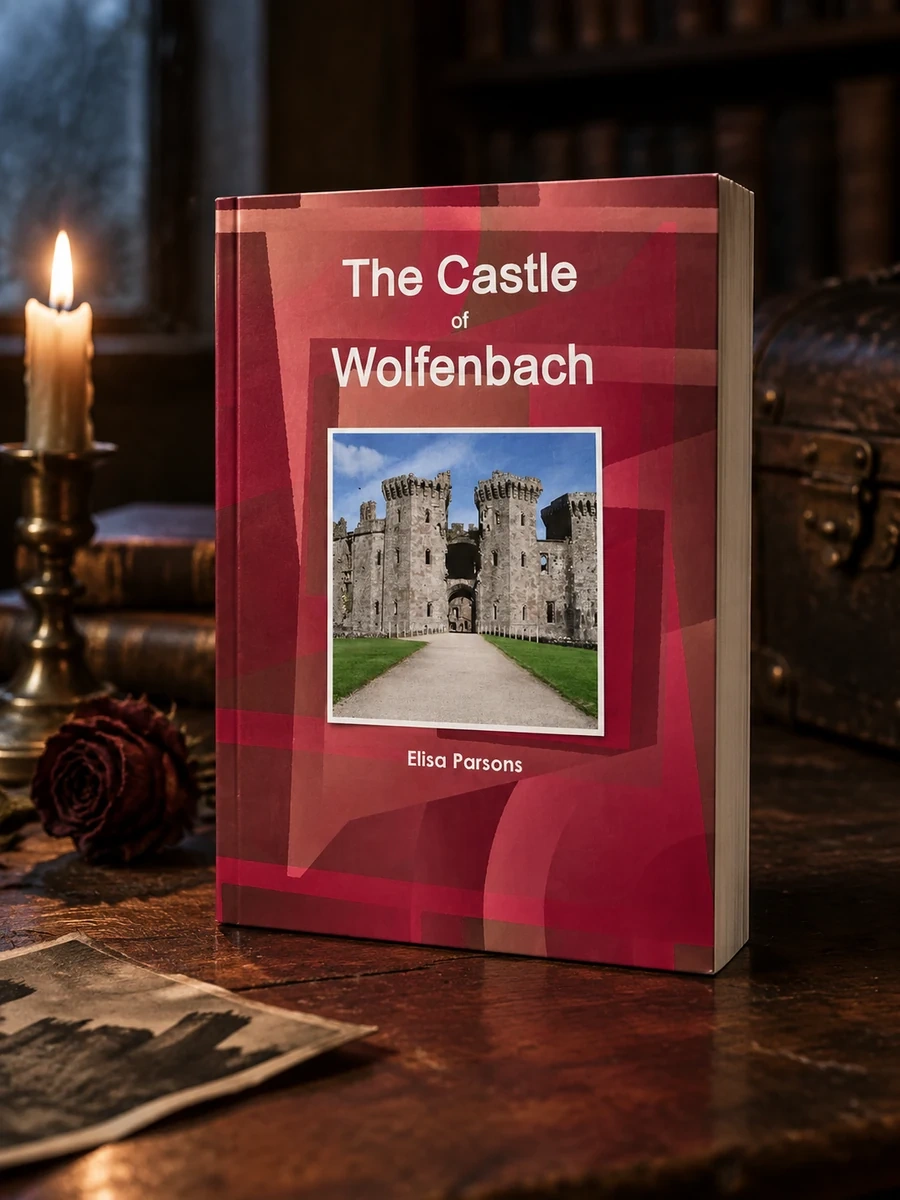
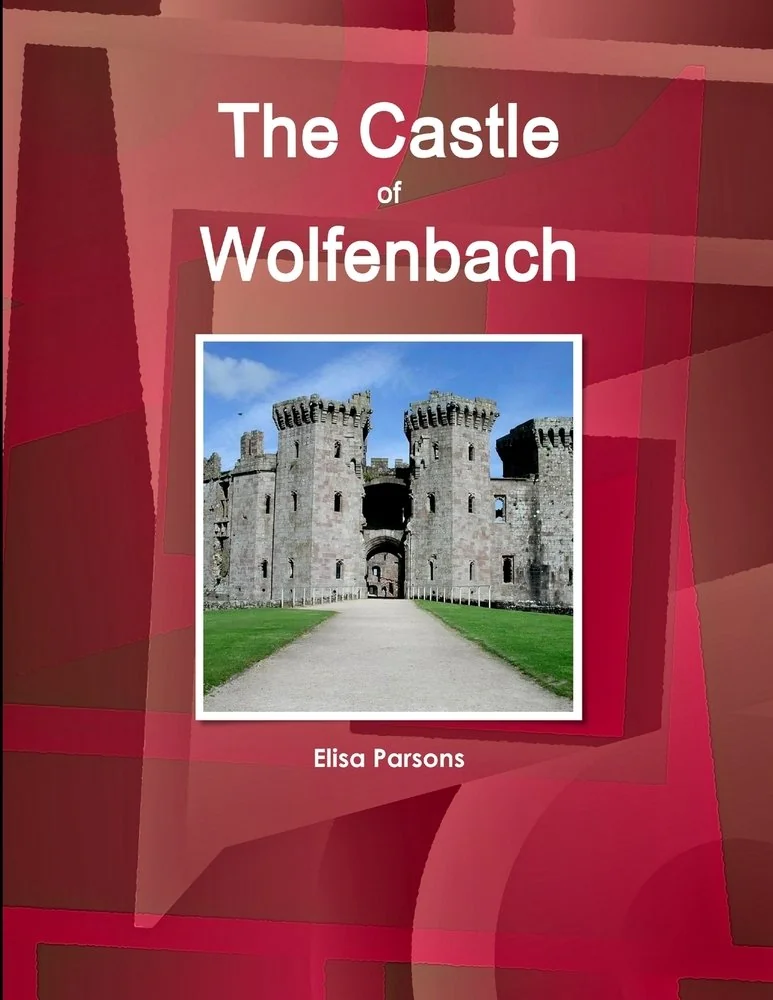
The Castle of Wolfenbach
A foundational 1793 Gothic novel by Elisa Parsons
This volume presents a text that influenced the development of horror fiction in England. It appears as one of the specific recommendations made within Jane Austen's Northanger Abbey, linking it directly to later literary conversations. The work stands as an early example of the genre before the popularity of Radcliffe and Lewis. Scholars and enthusiasts of eighteenth-century literature will find this edition useful for tracing the lineage of Gothic tropes. It provides a direct look at the style that Austen's characters discuss.
Published in 1793, this novel sits at the start of the English Gothic wave. It predates major works by Radcliffe and Lewis. Its fame comes from its inclusion in Jane Austen's Northanger Abbey as a recommended horrid novel for the character Catherine Morland.


📝 Description: The Castle of Wolfenbach
💎 Our verdict on The Castle of Wolfenbach
📖 Why choose it
Why this book is worth reading
This volume offers a direct look at the origins of Gothic horror, making it essential for scholars and enthusiasts tracing the lineage of literary tropes in eighteenth-century literature. It is particularly valuable for readers interested in the evolution of horror fiction who wish to understand the atmospheric tension and plot devices that preceded mainstream popularity. Those studying Jane Austen’s references will find this text crucial for contextualizing her characters' discussions. It suits those who appreciate historical depth over modern pacing, providing a clear view of the supernatural traditions gaining traction in England at the time.
⭐ Reader reviews
Reader rating
The Castle of Wolfenbach stands as a significant artifact for understanding the development of Gothic fiction prior to its mainstream success. Elisa Parsons structures her narrative to explore themes of mystery and dread, establishing a template for later writers in the field. While it lacks the fast-paced action of modern psychological thrillers, it excels in creating atmospheric tension through period-appropriate plot devices. Readers familiar with Ann Radcliffe will appreciate seeing the influences that preceded her most famous works. This edition serves best for those studying the evolution of horror or enjoying Austen's literary references in their original context, offering a necessary glimpse into the genre's formative years.
You might also like
See more →





Have a question about this item?
Ask about the edition, condition, delivery or anything else — we reply by email or phone, usually within a day.
