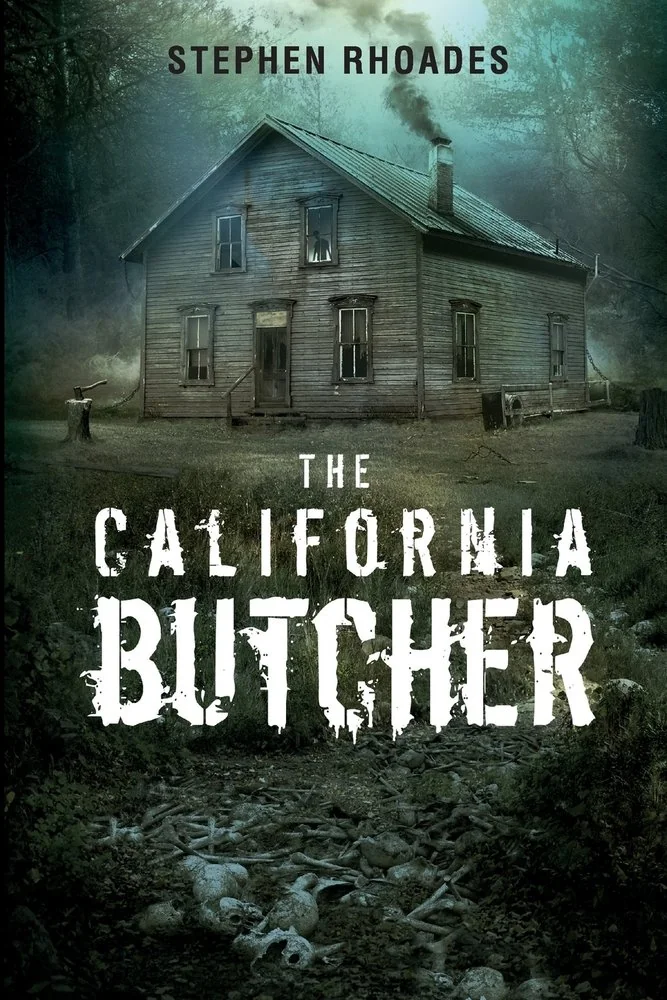
The California Butcher
A teacher's descent into madness intersects with a serial killer in modern Sacramento.
Rhoades examines the intersection of personal obsession and public terror. The protagonist’s discovery of a fetish website triggers a psychological breakdown that mirrors the chaos outside. This internal collapse occurs against the backdrop of a state-wide manhunt. The author uses the setting of California not as a character itself, but as a stage for human frailty. The narrative structure emphasizes the parallel journeys of the teacher and the killer. Both are driven by impulses they cannot control. The book offers a look at how digital spaces can accelerate mental decline. It does not provide solutions to the problems it raises. Instead, it documents the process of losing oneself while being hunted.
The narrative is set in a modern-day version of Sacramento, California. It reflects contemporary anxieties about digital privacy and mental health. The work engages with the tradition of American urban horror. It situates supernatural dread within a recognizable, real-world geographic context.


📝 Description: The California Butcher
💎 Our verdict on The California Butcher
📖 Why choose it
Why this book is worth reading
Readers who appreciate character-driven horror where the monster is both human and internal will gain from this book. It offers a compelling look at how digital spaces can accelerate mental decline, documenting the process of losing oneself while being hunted. The narrative provides a grounded exploration of personal obsession intersecting with public terror, making it suitable for those interested in the mundane aspects of modern life that mask dark obsessions. It is ideal for individuals seeking to understand the intersection of personal breakdown and external danger without relying on sensationalism or clear moral distinctions.
⭐ Reader reviews
Reader rating
Rhoades successfully contrasts personal psychological unraveling with external physical danger, creating a tense atmosphere rooted in reality. By avoiding fantastical elements, he heightens the sense of immediate threat through the protagonist's descent into madness. The text presents the killer and the protagonist’s struggles with equal weight, avoiding sensationalism to focus on human frailty. This approach suits readers who prefer psychological thrillers grounded in realistic settings over traditional folklore. However, those expecting fast-paced action or clear moral distinctions may find the gradual documentation of mental decline less appealing. The book effectively captures the chaos of a state-wide manhunt against the backdrop of internal collapse.