
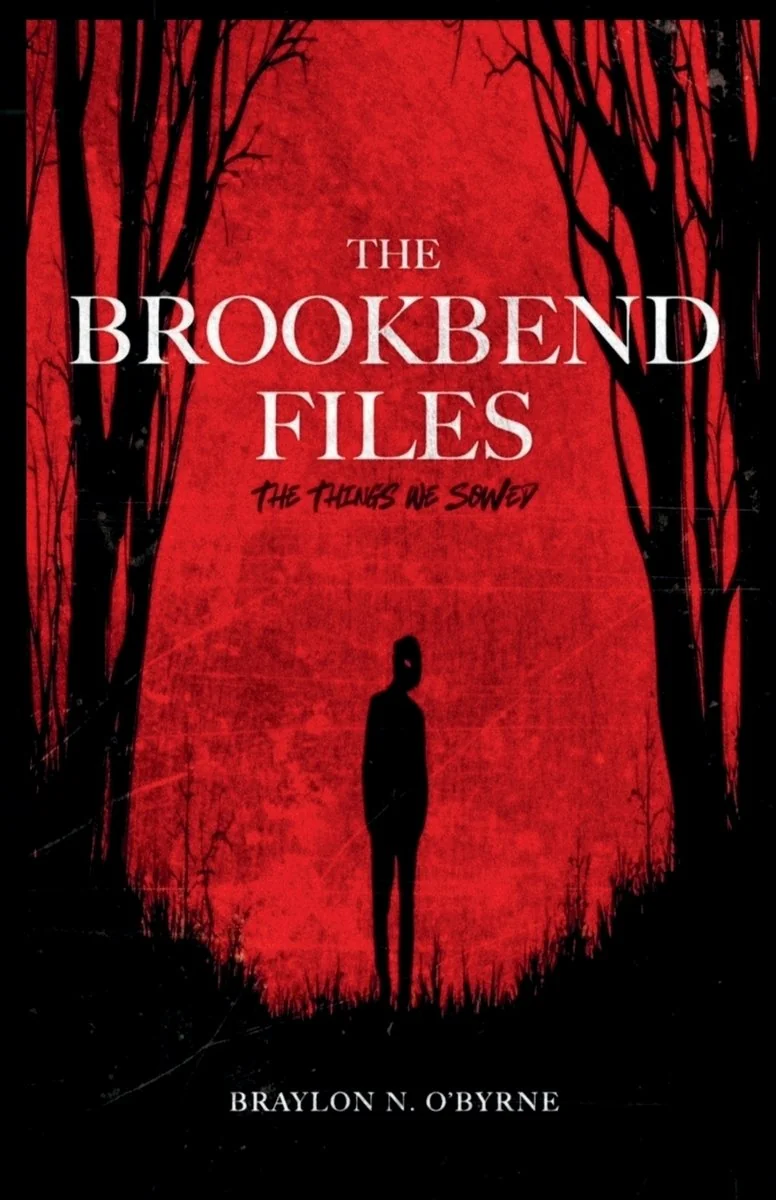
The BrookBend Files: The Things We Sowed
A bullied teen becomes a monster in a dying Indiana town, forcing survivors to face their guilt.
This novel centers on the consequences of bullying and community apathy in BrookBend, Indiana. O'Byrne constructs a horror narrative where the antagonist is born from social cruelty rather than ancient evil. The plot requires characters to examine their own roles in creating the threat they now face. This approach shifts the genre focus from external survival to internal moral reckoning. The setting of a dying midwestern town provides a backdrop for exploring how isolation and silence allow rot to spread. The book does not offer easy answers or clear villains, but rather a complex web of shared responsibility. Readers will encounter a story where the past is inescapable and the present is defined by previous actions.
The work sits within the tradition of American gothic fiction, specifically focusing on midwestern rural decay. It reflects contemporary anxieties about community responsibility and the long-term effects of social violence in isolated environments.


📝 Description: The BrookBend Files: The Things We Sowed
💎 Our verdict on The BrookBend Files: The Things We Sowed
📖 Why choose it
Why this book is worth reading
This volume offers a profound exploration of guilt and complicity for readers who prefer psychological depth over visceral gore. It appeals to those interested in how collective apathy can manifest as tangible horror, providing a stark look at human behavior rather than just supernatural elements. The narrative demands engagement with complex moral questions, rewarding patience with a tightly woven tale of rural decay. Readers seeking stories where the true antagonist is societal silence and shared responsibility will find this compelling. It challenges the audience to confront the idea that past actions define present realities, making it ideal for those who enjoy introspective horror rooted in social dynamics.
⭐ Reader reviews
Reader rating
O'Byrne constructs a chilling narrative where monstrosity emerges from social cruelty rather than ancient evil. The book excels in weaving personal guilt into the haunting, forcing survivors to examine their own roles in creating the threat they face. This approach shifts the focus from external survival to internal moral reckoning, offering a complex web of shared responsibility without clear villains. It suits readers who appreciate psychological horror grounded in social dynamics and tales of rural decay. The isolated atmosphere of BrookBend Indiana serves as a potent backdrop for exploring how silence allows rot to spread. While not suited for fans of fast-paced action or urban settings, this work provides a stark, uncompromising look at how collective negligence shapes reality and the inescapable nature of the past.
You might also like
See more →







Have a question about this item?
Ask about the edition, condition, delivery or anything else — we reply by email or phone, usually within a day.
