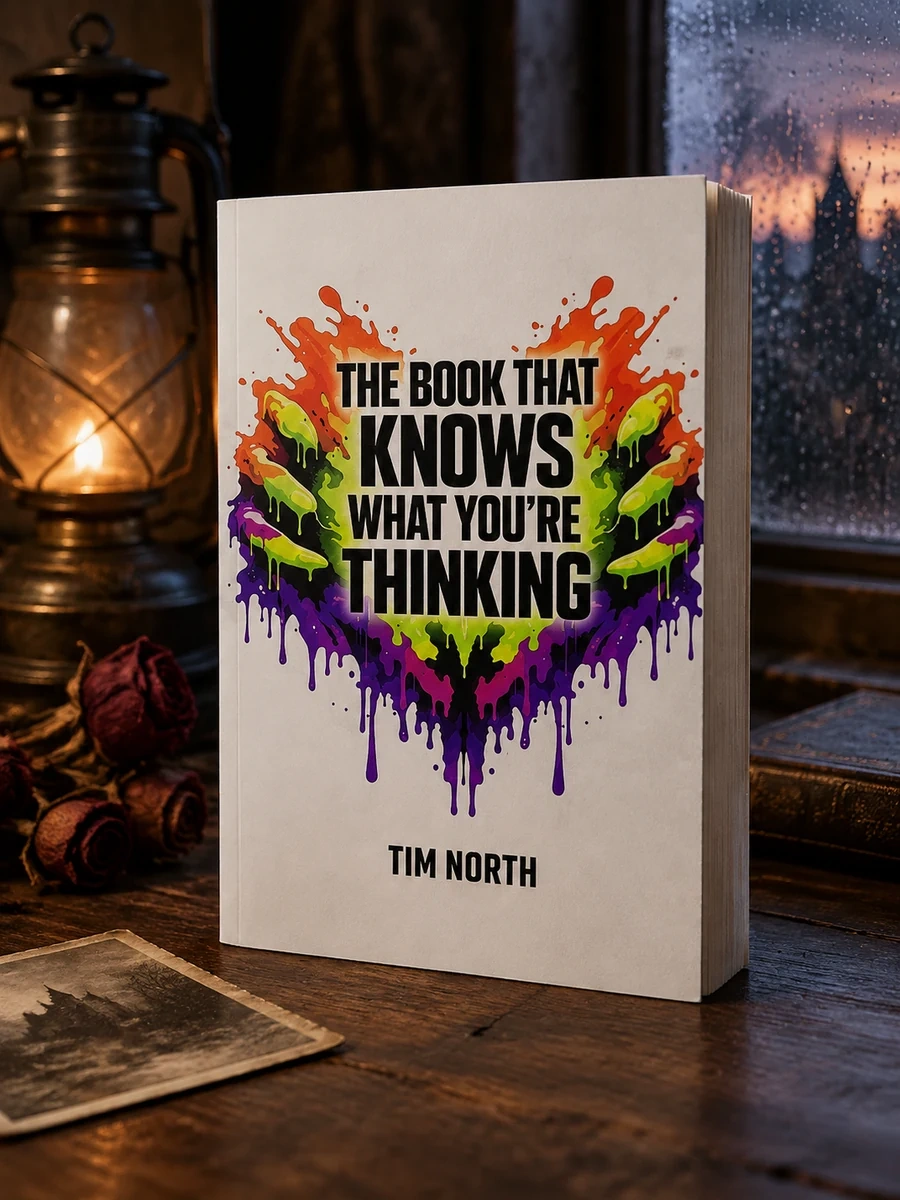
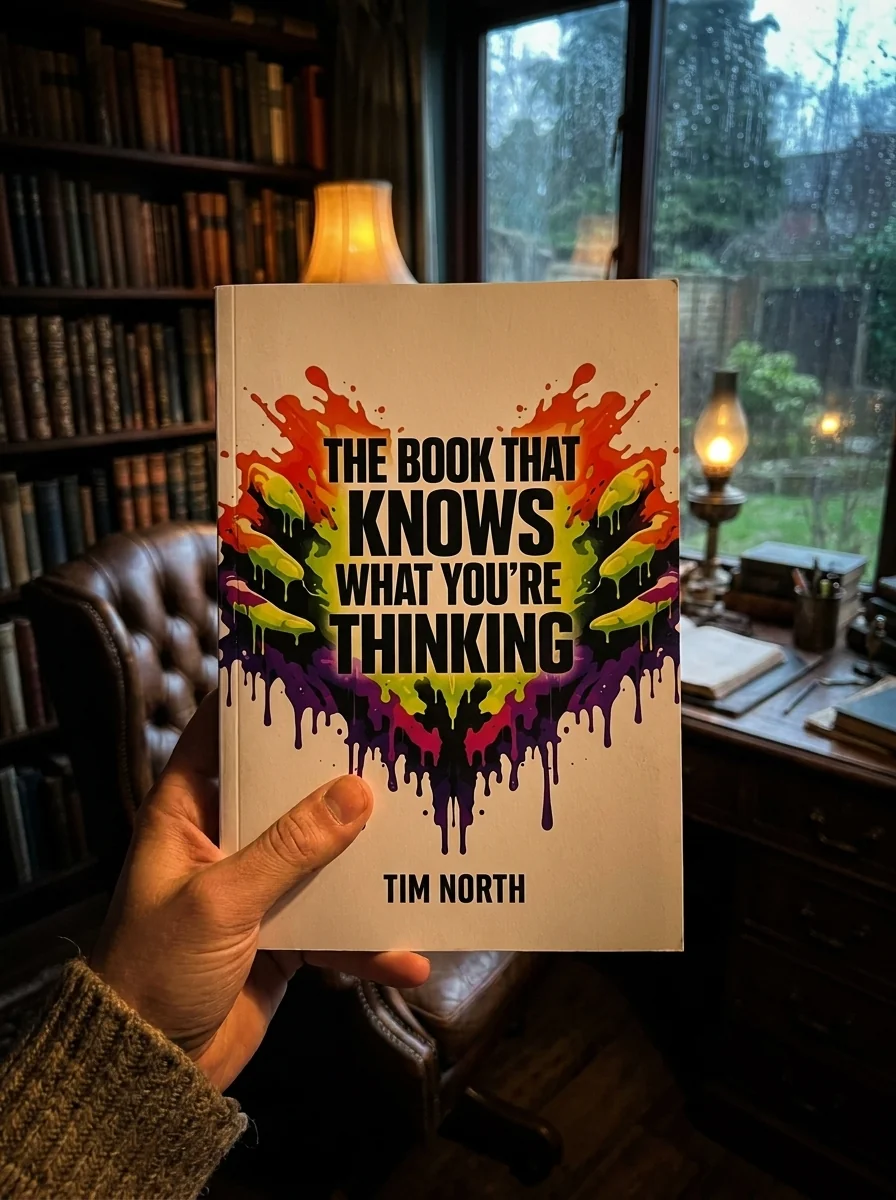
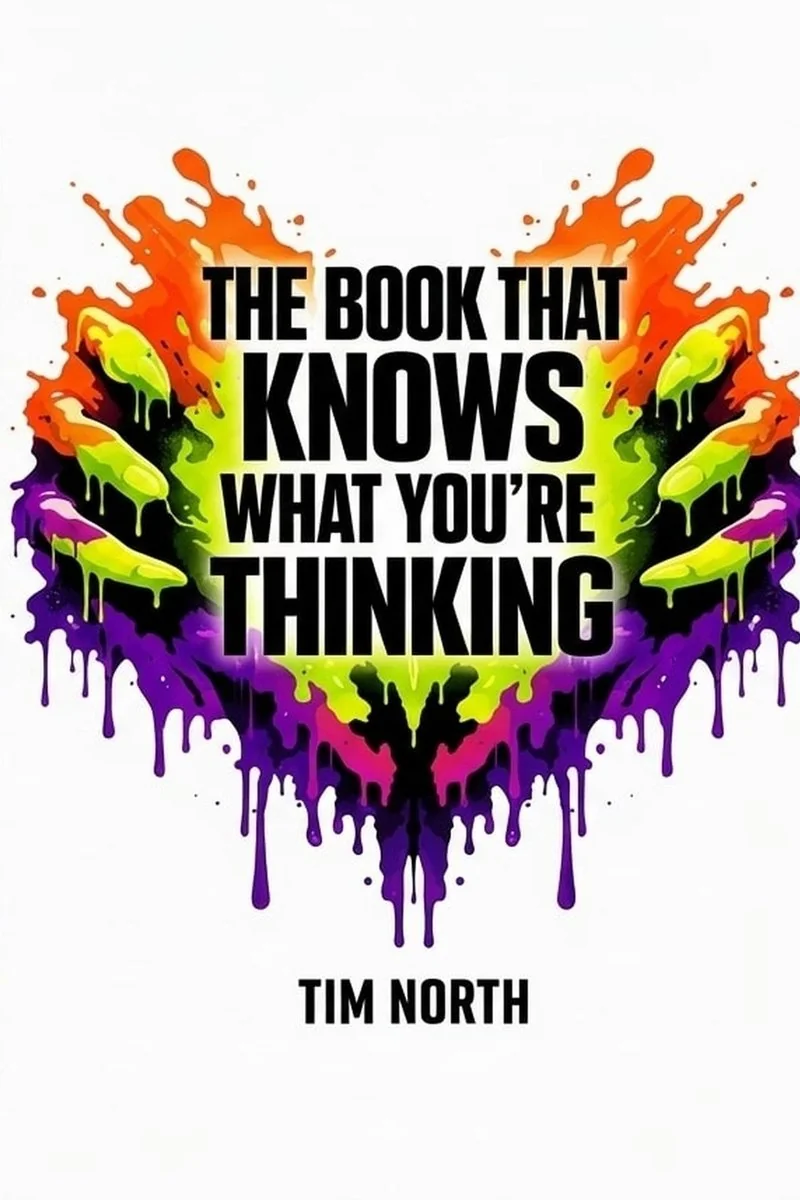
The Book That Knows What You're Thinking
A second-person narrative experiment that creates your thoughts through linguistic manipulation.
North constructs a framework where the text actively shapes the reader's cognitive state. The five phases guide this progression from initial invasion to final dissolution. Each of the fifty moments targets specific mental processes, forcing the audience to question their own spontaneous reactions. The work relies on the premise that language can architecturally induce responses. Readers encounter a simulated reality where the boundary between the text and their mind blurs. This approach demands active engagement with one's own autonomic functions. The goal is not merely to inform but to demonstrate the mechanics of psychological influence through direct experience.
Published in January 2026 by Independently Published, this work sits within the tradition of experimental horror and supernatural fiction. It engages with contemporary interests in psychological thrillers and mind control theories. The text appeals to American readers seeking immersive, interactive literary experiences that challenge conventional reading habits.


📝 Description: The Book That Knows What You're Thinking
💎 Our verdict on The Book That Knows What You're Thinking
📖 Why choose it
Why this book is worth reading
Readers interested in the mechanics of mind control and experimental narrative structures will find this book a compelling demonstration of linguistic power. It offers a unique opportunity to experience psychological manipulation firsthand, rather than merely observing it through traditional plot devices. Those fascinated by the boundary between text and cognition, or those studying how language can architecturally induce specific mental states, will appreciate its active engagement with autonomic functions. It is ideal for individuals seeking to understand the origins of spontaneous thoughts and the dissolution of semantic meaning in real-time.
⭐ Reader reviews
Reader rating
Tim North delivers a provocative literary experiment that functions as an active participant in the reading process. By utilizing second-person narrative across five distinct phases, the text successfully blurs the line between authorial intent and reader cognition. The work excels in its precise linguistic manipulation, forcing an confrontation with one's own autonomic responses and simulated reality. It is best suited for readers comfortable with psychological horror and abstract concepts of influence. Those seeking traditional plot or passive entertainment may find the experience disorienting, but for the right audience, it provides a profound insight into the architecture of thought and the power of language to shape perceived reality.
📖 Read on the blog
🏛 Books from this publisher Independently Published








You might also like
See more →




Have a question about this item?
Ask about the edition, condition, delivery or anything else — we reply by email or phone, usually within a day.
