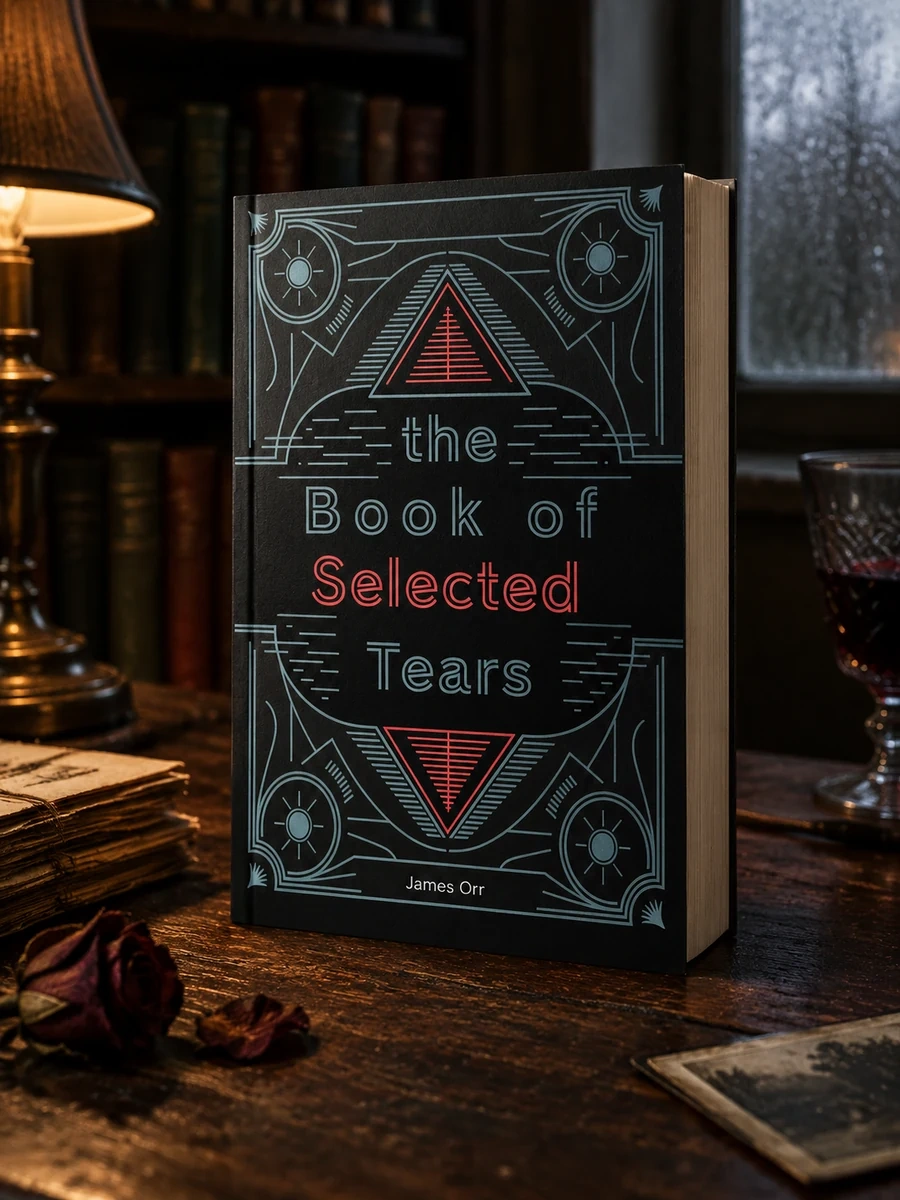
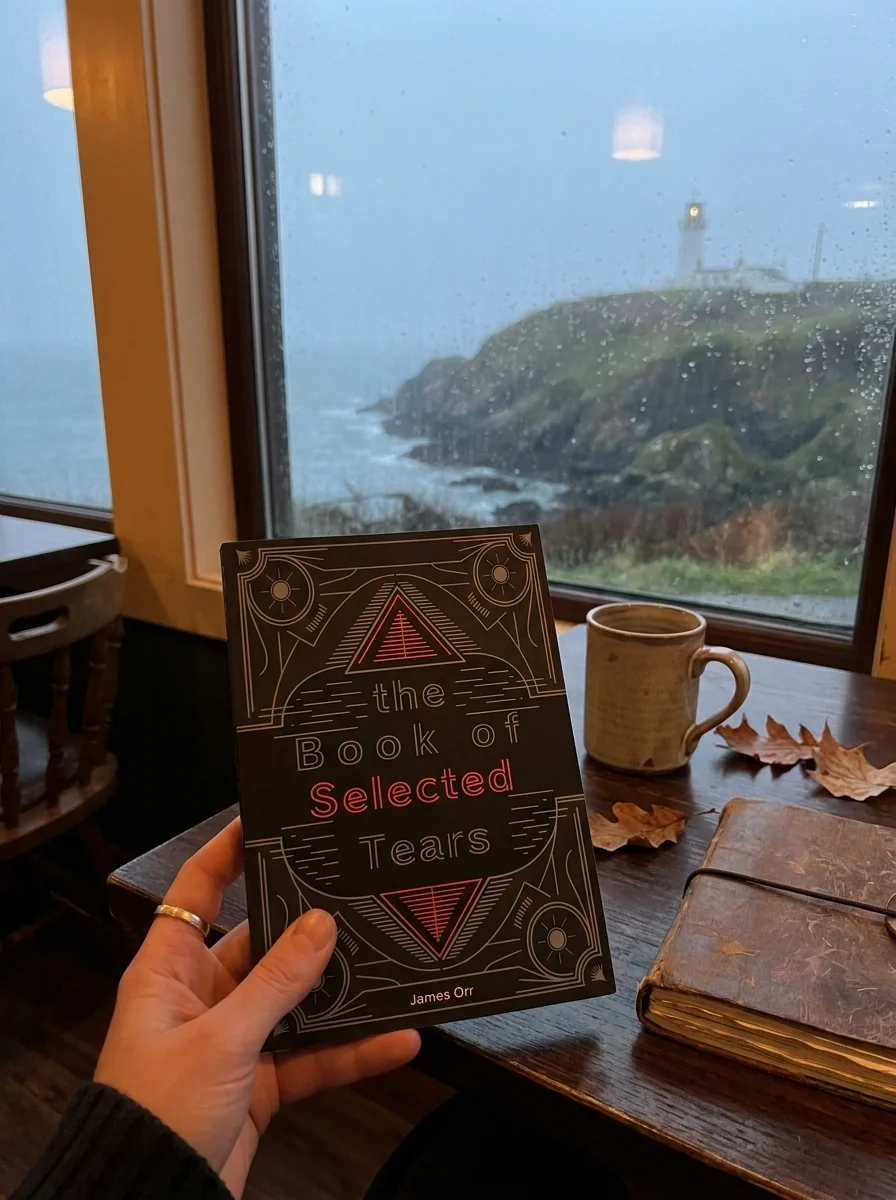
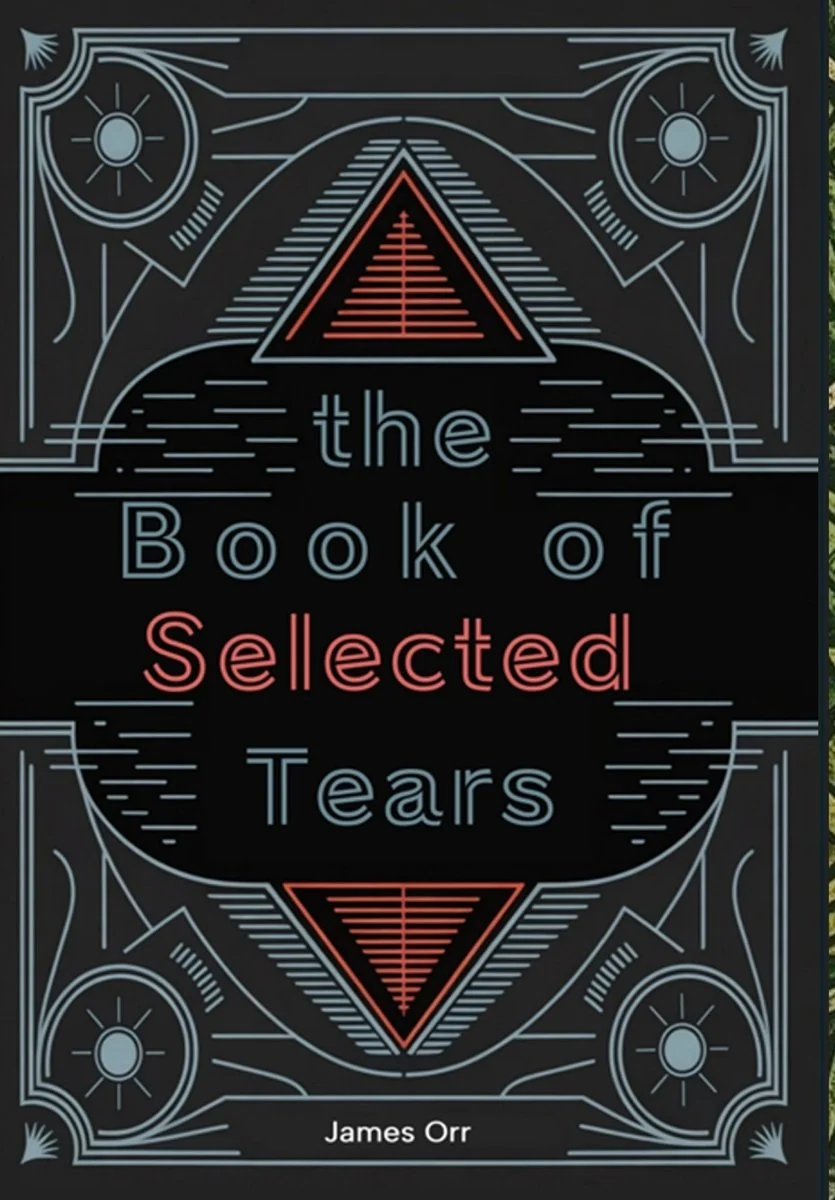
The Book of Selected Tears
A writer collects documents about six ancient entities before following them into the unknown.
Orr constructs a narrative from the remnants of encounters with six ancient entities. The protagonist, a writer between projects, begins gathering materials after receiving an unmarked package. These items include reports on a region where oldest light is absent and accounts of people who walked into a headland light. The structure moves from evidence to investigation, revealing what the woman discovered after reading everything. This approach creates a sense of creeping dread through bureaucratic and scientific language describing the impossible.
The book sits within contemporary horror fiction, drawing on gothic and supernatural traditions. It references Victorian eras and deep time cosmology. The narrative style echoes found footage and epistolary genres, presenting horror through collected records rather than direct action. This places it in a lineage of cosmic horror that emphasizes the limits of human understanding.


📝 Description: The Book of Selected Tears
💎 Our verdict on The Book of Selected Tears
📖 Why choose it
Why this book is worth reading
Readers who appreciate slow-burn dread and atmospheric tension over traditional action will find this narrative compelling. It suits those who enjoy epistolary formats where the horror emerges from bureaucratic language describing the impossible. The book offers a unique experience for fans of cosmic horror who want to witness a protagonist’s descent into the unknown through fragmented documents. It is ideal for audiences seeking intellectual engagement with supernatural themes, particularly those interested in how scientific reports can convey profound terror without explicit gore or jump scares.
⭐ Reader reviews
Reader rating
James Orr crafts a chilling atmosphere by utilizing an archive structure to build creeping dread. The blend of scientific reports and supernatural events creates a compelling sense of the uncanny, effectively conveying the weight of fourteen thousand years of failed definitions. The fragmented format challenges readers to piece together the narrative, rewarding those who prefer active participation in uncovering the horror. While those seeking clear resolutions may struggle with the ambiguity, the work succeeds in its goal of presenting cosmic terror through bureaucratic lenses. It is a refined entry in the genre, best appreciated by enthusiasts of psychological horror and literary experimentation.
You might also like
See more →






Have a question about this item?
Ask about the edition, condition, delivery or anything else — we reply by email or phone, usually within a day.
