The Book of Pain
A man cursed with eternal pain seeks escape by burdening a loved one.
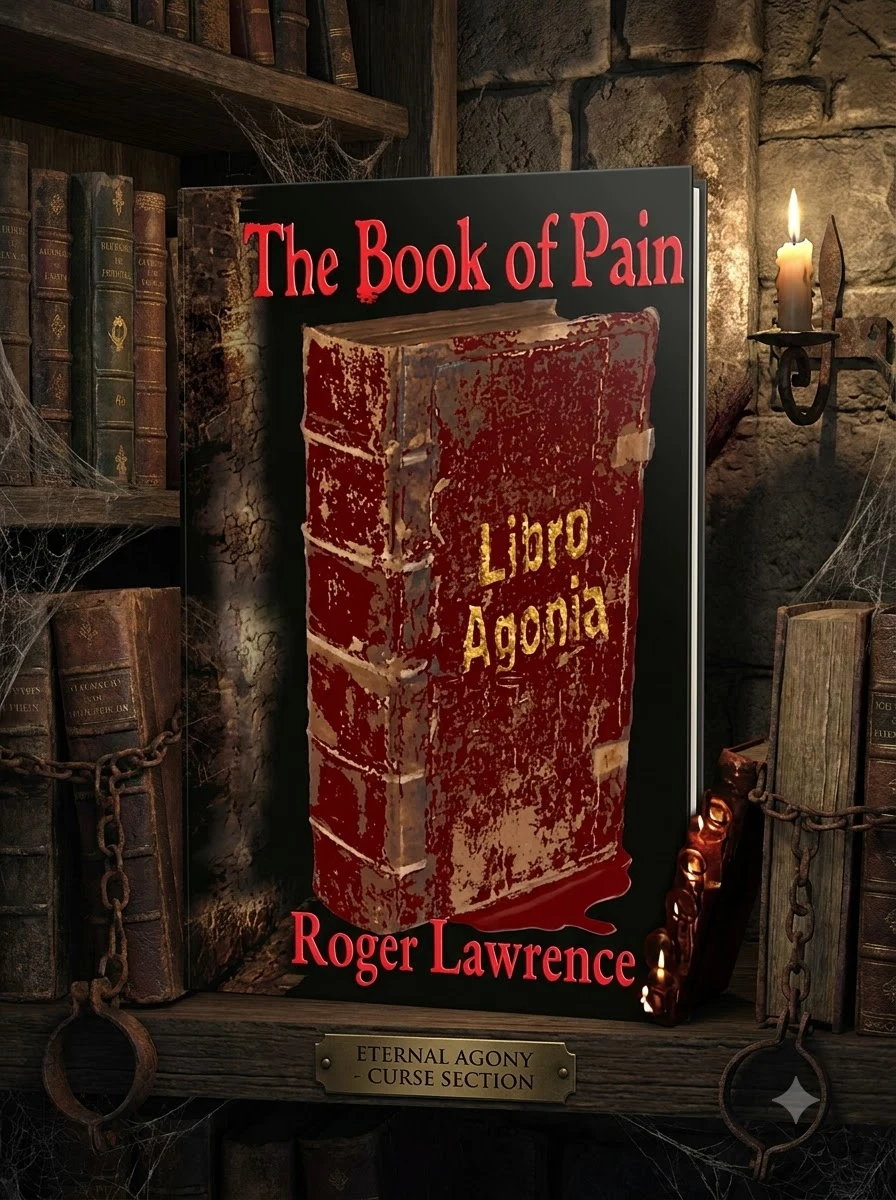
Tom Fletcher suffers an inescapable sentence that strips him of basic human comforts and connections. He cannot rest, feed himself properly, or engage physically with others. For hundreds of years, a shadowy organization tracks him, driven by a desire to uncover the source of his condition. Lawrence writes this as a study of endurance and ethical collapse. The central conflict arises when Fletcher learns he can pass his agony to someone who cares for him. This option forces a choice between self-preservation and moral integrity. The narrative does not shy away from the potential for violence born of desperation. It questions whether love can survive when tested by infinite suffering. The story remains focused on this single, devastating possibility. There are no side quests or subplots to distract from the main dilemma. The pacing reflects the slow passage of time experienced by the protagonist. Lawrence avoids sensationalism in favor of a steady, grim progression. The ending hinges on whether Fletcher has lost his humanity completely.
This 2016 publication by Createspace Independent Publishing Platform fits within the tradition of American gothic horror. It draws on long-standing literary themes of cursed immortality and supernatural punishment without referencing specific historical periods or other works.


📝 Description: The Book of Pain
💎 Our verdict on The Book of Pain
📖 Why choose it
Why this book is worth reading
Readers who appreciate slow-burn psychological horror and existential dread will find this narrative compelling. It offers a deep dive into the erosion of human empathy when faced with infinite suffering, avoiding sensationalist tropes in favor of grim introspection. Those interested in ethical dilemmas where love is tested by desperation will engage with the central conflict. The book suits those who prefer atmospheric tension over action, valuing the exploration of moral ambiguity and the corruption of affection under extreme pressure rather than clear resolutions or heroic interventions.
⭐ Reader reviews
Reader rating
Lawrence delivers a stark examination of endurance, focusing tightly on Tom Fletcher’s psychological collapse rather than external thrills. The narrative avoids distraction, maintaining a steady, grim progression that mirrors the protagonist's endless torment. This approach effectively highlights the tension between survival and humanity, making it ideal for fans of cerebral horror who enjoy moral ambiguity. While the lack of side quests may feel sparse to some, the intensity of the central dilemma remains potent. It is a rigorous study of suffering, rewarding patience with a profound look at how agony alters empathy.