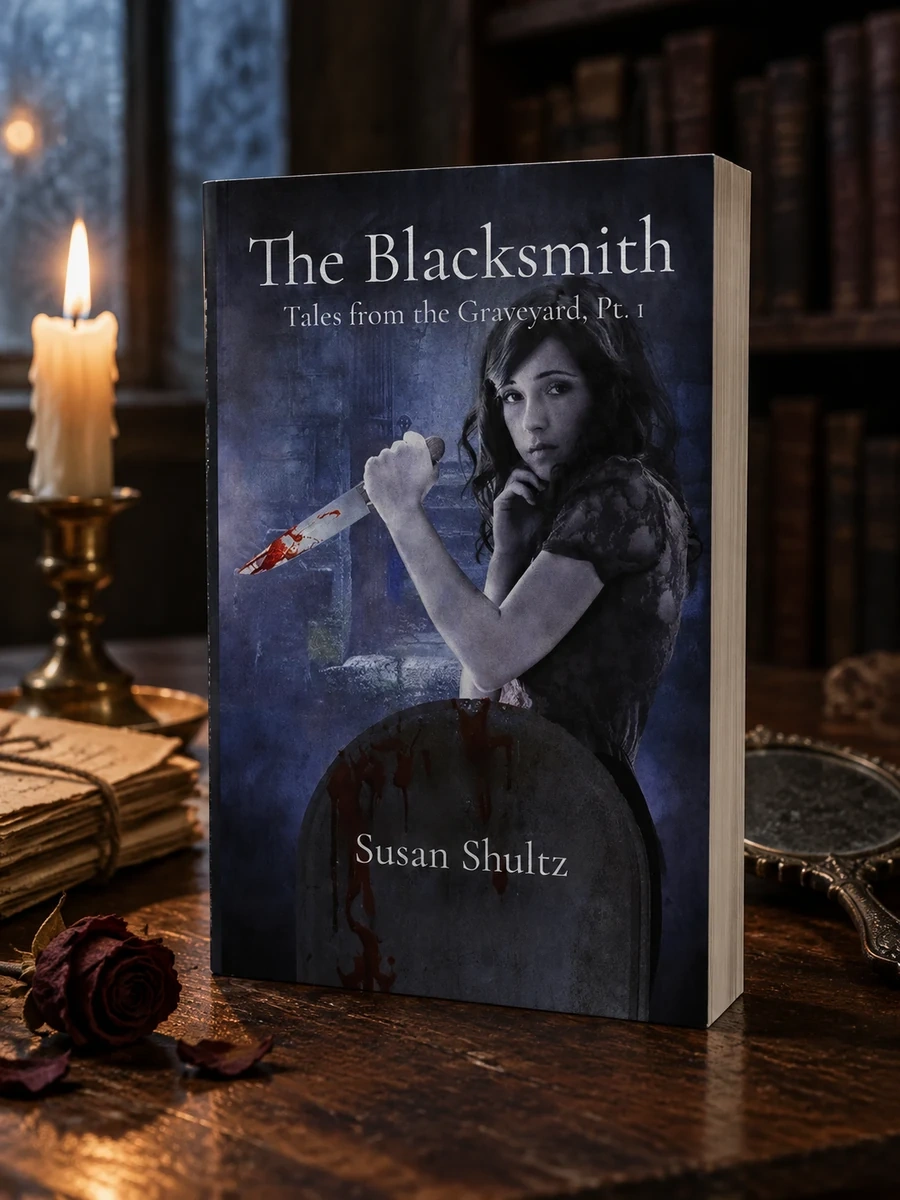
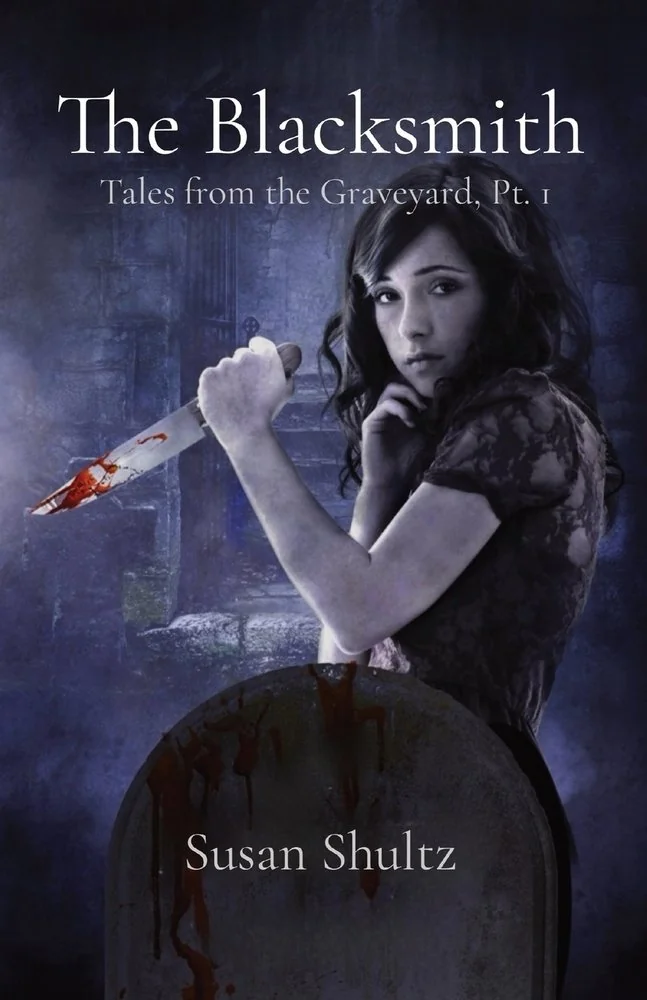
The Blacksmith: Tales from the Graveyard, Pt. 1
A woman with a dead heart navigates love under the watch of a graveyard entity.
The narrative centers on Ainsley, who shares her life with the Blacksmith in her garden graveyard. Her emotional state is defined by loss and isolation. Sam enters her world as a source of warmth, challenging her detached existence. The plot revolves around her internal conflict between her connection to him and her loyalty to the Blacksmith. Shultz writes from the perspective of someone whose heart is literally dead. The story explores the boundaries of intimacy when one party is bound by supernatural decree. It does not promise healing or escape. The focus remains on the weight of secrets and the silence of the grave.
This work falls within the American horror genre, specifically gothic fiction. It draws on traditions of supernatural tales where the dead interact with the living. The setting is intimate, focusing on a private garden graveyard rather than public cemeteries. It reflects contemporary independent publishing in the United States.


📝 Description: The Blacksmith: Tales from the Graveyard, Pt. 1
💎 Our verdict on The Blacksmith: Tales from the Graveyard, Pt. 1
📖 Why choose it
Why this book is worth reading
Readers drawn to atmospheric dread and psychological complexity will find resonance in this narrative. It appeals to those who appreciate horror that prioritizes internal isolation over external gore, offering a study in emotional numbness under supernatural control. The story suits fans of dark fantasy who enjoy exploring the weight of secrets and the silence of the grave. It provides a grim reality for those tired of easy redemption or bright horizons, focusing instead on the unyielding rules of a graveyard companion. Those interested in the intersection of deep personal isolation and spiritual alignment with death will gain insight into Ainsley’s detached existence.
⭐ Reader reviews
Reader rating
Shultz crafts a tale defined by atmospheric dread rather than action, focusing on Ainsley’s dead heart and her loyalty to the Blacksmith. The narrative excels in portraying emotional numbness, creating a tense dynamic as Sam challenges her isolation. While it lacks lively romance or clear moral resolutions, its strength lies in its unyielding commitment to grim reality. This book suits readers who enjoy gothic fiction centered on supernatural control and deep personal isolation. It avoids easy redemption, staying fixed in its confines of intimacy bound by decree. The prose effectively conveys the weight of secrets, making it a compelling choice for those seeking horror that lingers in silence rather than shock.
You might also like
See more →







Have a question about this item?
Ask about the edition, condition, delivery or anything else — we reply by email or phone, usually within a day.
