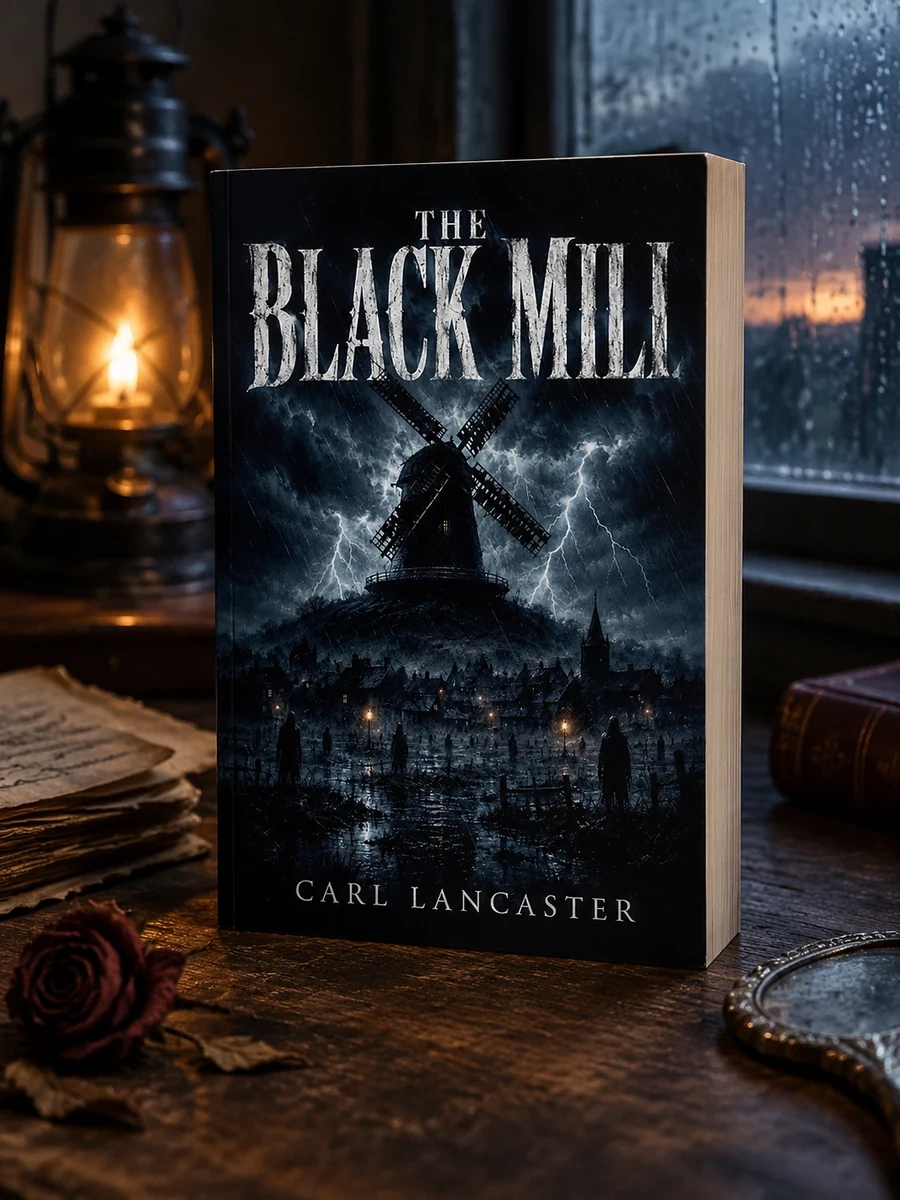
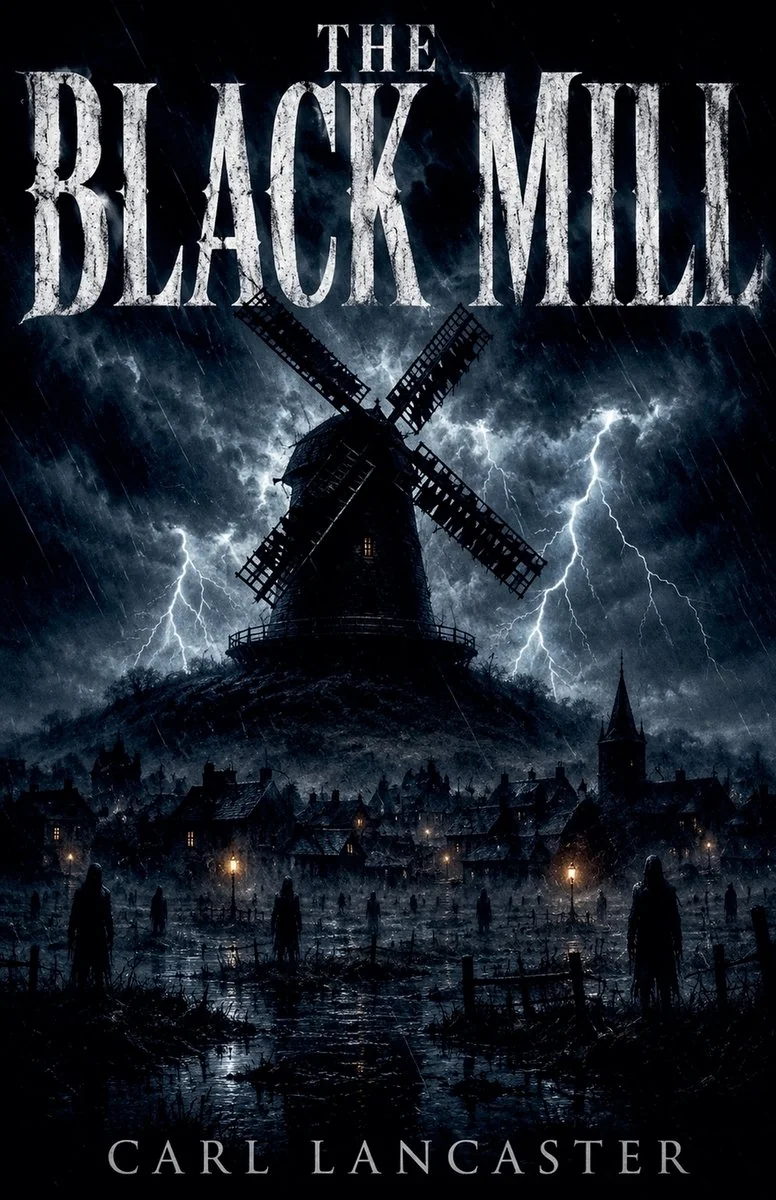
The Black Mill
A folk horror tale about a cursed windmill and a family's dark legacy.
This novel follows Nathaniel Crowe as he confronts the consequences of his bloodline. The story moves from a simple return to settle affairs into a descent into nightmare. Lancaster focuses on the physical decay of Haverwick and the supernatural forces tied to the land. The narrative does not rely on jump scares but rather builds tension through the slow revelation of secrets. Readers will find a cohesive plot that links personal grief with ancient evil. The structure emphasizes the inevitability of the past resurfacing. It is a steady, unsettling read for fans of atmospheric dread.
The Black Mill operates within the tradition of American and British folk horror. It draws on gothic fiction tropes involving isolated villages and ancestral curses. The story reflects a period where rural isolation allows ancient evils to persist unnoticed by the wider world, creating a sense of timeless dread.


📝 Description: The Black Mill
💎 Our verdict on The Black Mill
📖 Why choose it
Why this book is worth reading
Readers seeking a deeply unsettling, atmospheric experience will find this novel rewarding for its masterful build of tension through slow revelation rather than cheap shocks. It appeals to those who appreciate the weight of generational curses and the psychological burden of inherited guilt. Fans of bleak, isolated settings and supernatural fiction involving buried terror will enjoy the grounded prose that avoids abstract musings in favor of direct narrative progression. The book is ideal for those who prefer cohesive plots linking personal grief with ancient evil, offering a steady, dread-filled journey into a collapsing village where the land itself holds monstrous secrets.
⭐ Reader reviews
Reader rating
Carl Lancaster delivers a potent folk horror narrative that excels in constructing an oppressive atmosphere through the physical decay of Haverwick and the relentless storm. The novel succeeds by grounding its supernatural elements in tangible reality, focusing on the mill's eerie revival and the flour-covered figures emerging from the clouds. This approach creates a cohesive plot where personal grief intertwines seamlessly with ancient evil. It suits readers who enjoy bleak settings and psychological weight over fast-paced action. By emphasizing the inevitability of the past resurfacing, Lancaster crafts a steady, unsettling read that lingers long after the final page, appealing to connoisseurs of atmospheric dread and dark family legacies.