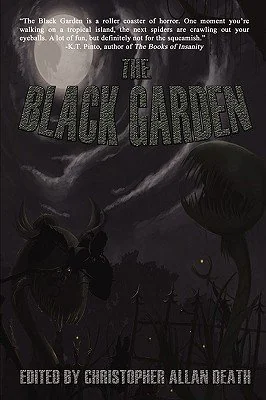
The Black Garden
A collection of dark fiction exploring evil and supernatural terror
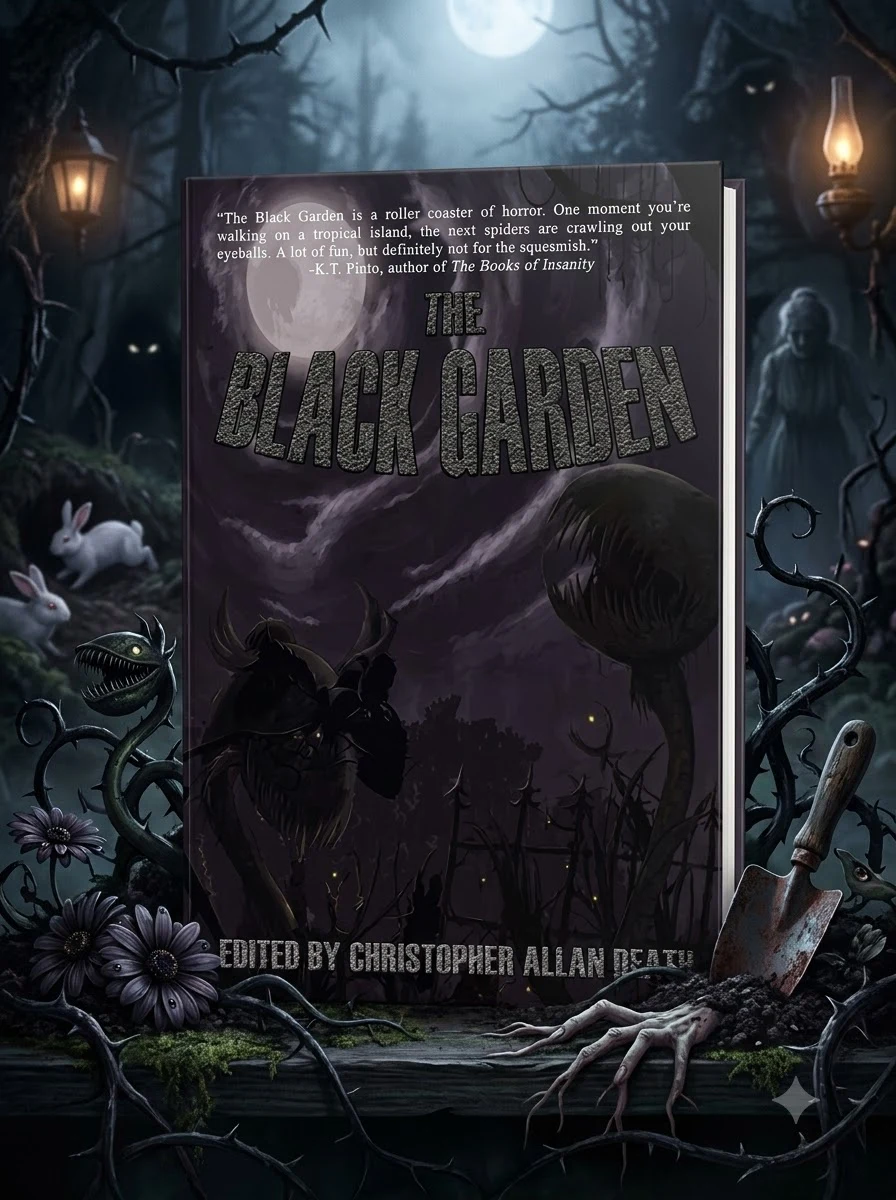
The Black Garden offers a concentrated look at horror through specific, grotesque imagery rather than broad philosophical musings. Polson focuses on the intersection of nature and malevolence, describing scenes where natural elements like daisies become vessels for darkness. The text does not shy away from visceral descriptions of demonic activity and post-mortem entities. It presents a world where the boundary between the living and the dead is porous, allowing old women to interact with children in deadly ways. The accumulation of these images creates a sense of overflow, suggesting that the darkness described is not contained but expanding. This approach requires readers to engage directly with the unsettling visuals Polson constructs.
Published in 2009 by Corpulent Insanity Press, this work sits within the contemporary horror fiction landscape. It draws on gothic and supernatural traditions to create a unique atmosphere of terror. The book reflects a specific moment in indie publishing where visceral imagery took precedence over traditional narrative structures.


📝 Description: The Black Garden
💎 Our verdict on The Black Garden
📖 Why choose it
Why this book is worth reading
Readers seeking a concentrated dose of supernatural terror and grotesque imagery will find this collection compelling. It appeals to those who enjoy exploring the porous boundary between the living and the dead through vivid, disturbing visuals rather than traditional plot structures. The book offers an immersive experience for fans of dark fiction who are willing to confront expanding darkness and demonic activity directly. It is ideal for individuals who appreciate visceral descriptions of post-mortem entities and nature’s malevolent aspects. Those who dare to engage with insanity and evil will find a unique, unsettling journey within these pages, free from conventional comfort or resolution.
⭐ Reader reviews
Reader rating
Aaron A Polson delivers a potent collection where darkness spools on daisies like raindrops, creating a vividly detailed atmosphere of terror. The work excels in its gothic approach, featuring lingering old women and pale rabbits darting into infested burrows. It suits readers who wish to immerse themselves in the birthplace of darkness without seeking conventional horror structures. Polson’s focus on specific, grotesque imagery allows for a direct engagement with unsettling visuals. This collection stands as a distinct entry for those ready to look insanity in the eye, offering a concentrated exploration of evil that expands beyond containment. It is a challenging but rewarding read for dedicated horror enthusiasts.