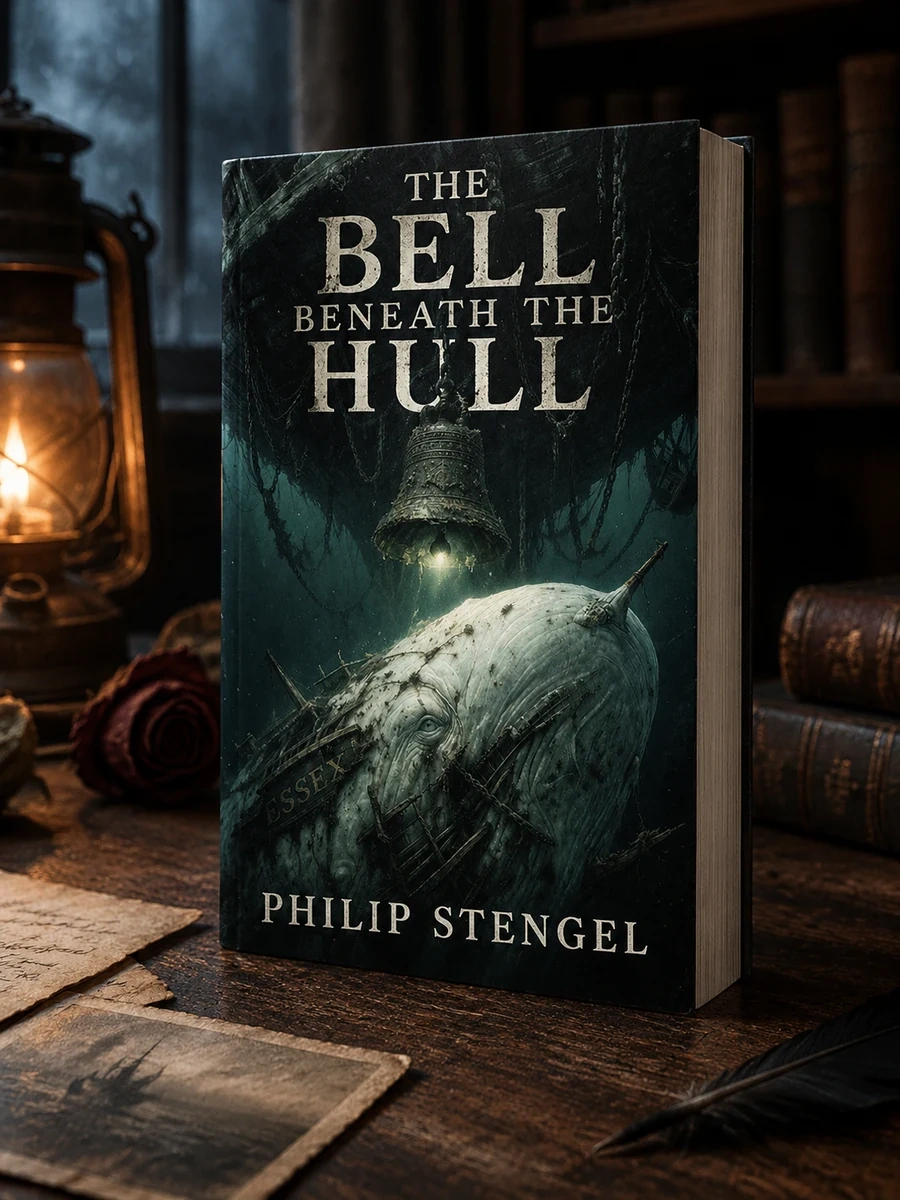
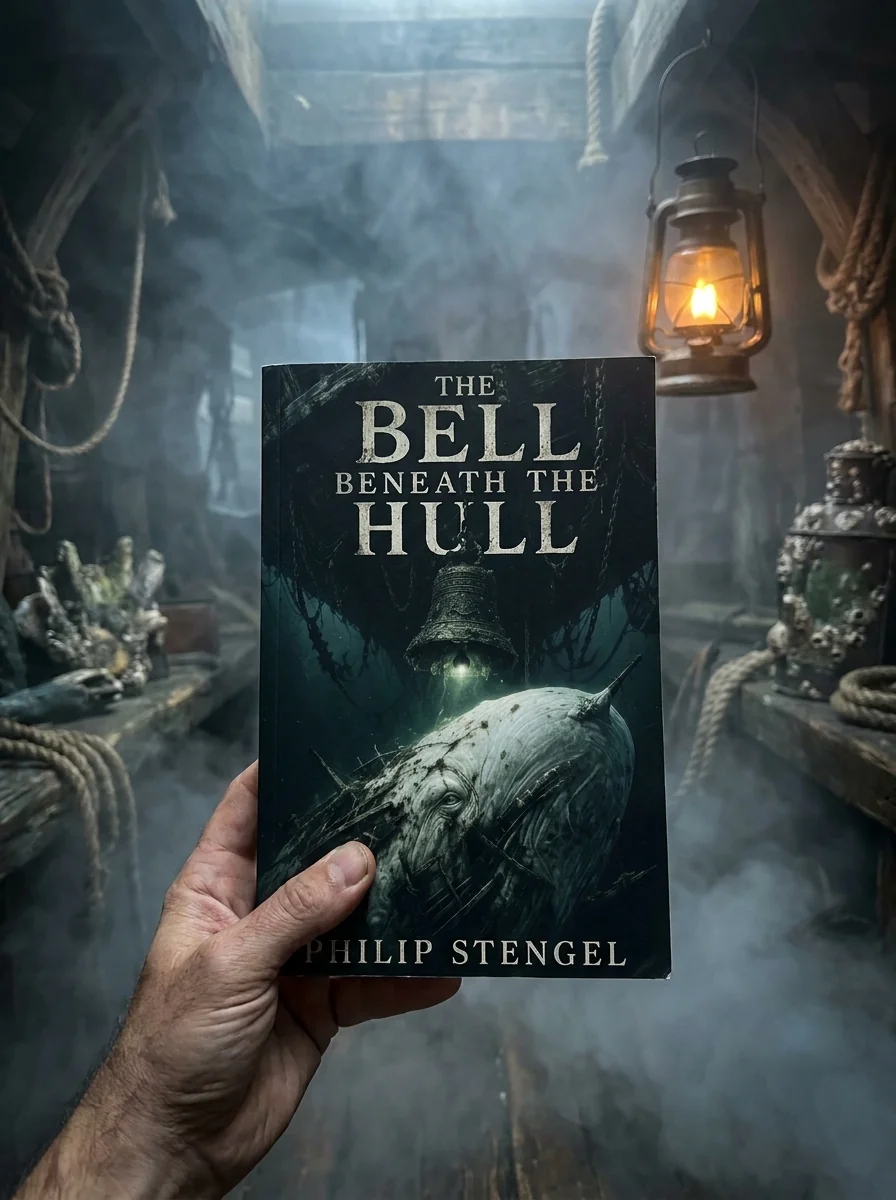
The Bell Beneath the Hull
A reimagining of Moby Dick where language itself becomes a lethal weapon.
This novel inverts the source material by making the ocean an active, editing force. The crew learns to suppress speech to avoid detection by the entity in the fog. As Ahab pursues the White Whale, the boundary between weather and paper dissolves. The horror manifests through text appearing on bodies and surfaces, creating a feedback loop where describing the threat helps it write its victims. Ishmael’s journey is not one of conquest but of silence, highlighting the danger of naming what seeks to consume you.
This work sits within the tradition of gothic and supernatural fiction, reinterpreting the American whaling epic. It draws on the classic characters of Ishmael, Ahab, and Starbuck, placing them in a modern context where the Pequod’s crew faces a horror that edits reality through language rather than physical force.


📝 Description: The Bell Beneath the Hull
💎 Our verdict on The Bell Beneath the Hull
📖 Why choose it
Why this book is worth reading
Readers who appreciate atmospheric dread and the subversion of classic literature will find this novel compelling. It offers a unique exploration of how language acts as a lethal hook, turning the act of naming into a dangerous vulnerability. Those interested in psychological horror and the mechanics of fear will enjoy the narrative’s focus on silence and erasure rather than traditional adventure. The book provides a fresh perspective on familiar myths, appealing to those who seek intellectual unease and a deep dive into the power of words to shape reality and destroy it.
⭐ Reader reviews
Reader rating
Stengel successfully inverts Melville’s source material by making the ocean an active, editing force that responds to speech with lethal precision. The narrative excels in building tension through the suppression of language, creating a palpable sense of dread as the boundary between weather and paper dissolves. The horror manifests effectively through text appearing on bodies and surfaces, establishing a feedback loop where description invites consumption. This approach suits readers who enjoy literary horror and gothic traditions over conventional action. While those seeking traditional adventure may find the focus unsettling, the work stands as a potent study of erasure and the danger of naming what seeks to consume you.
📖 Read on the blog
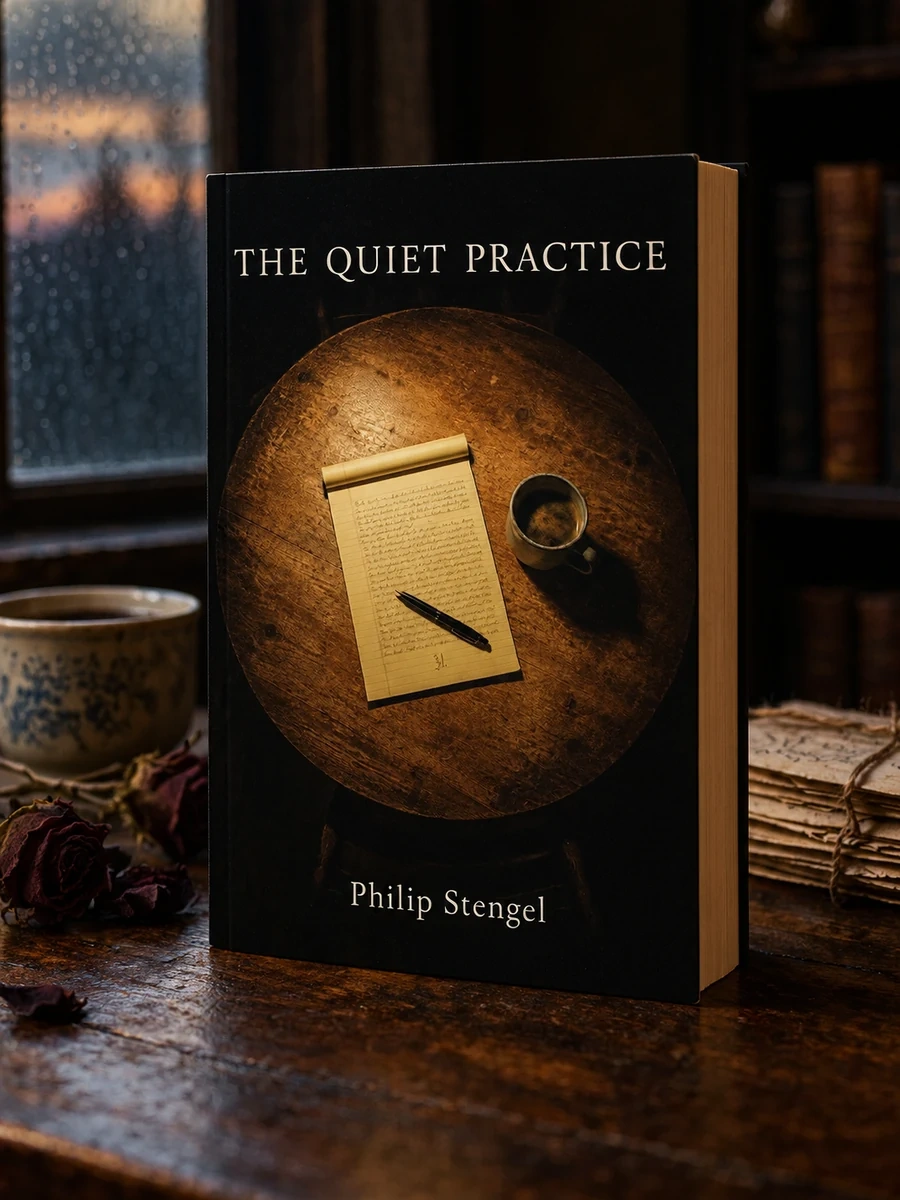
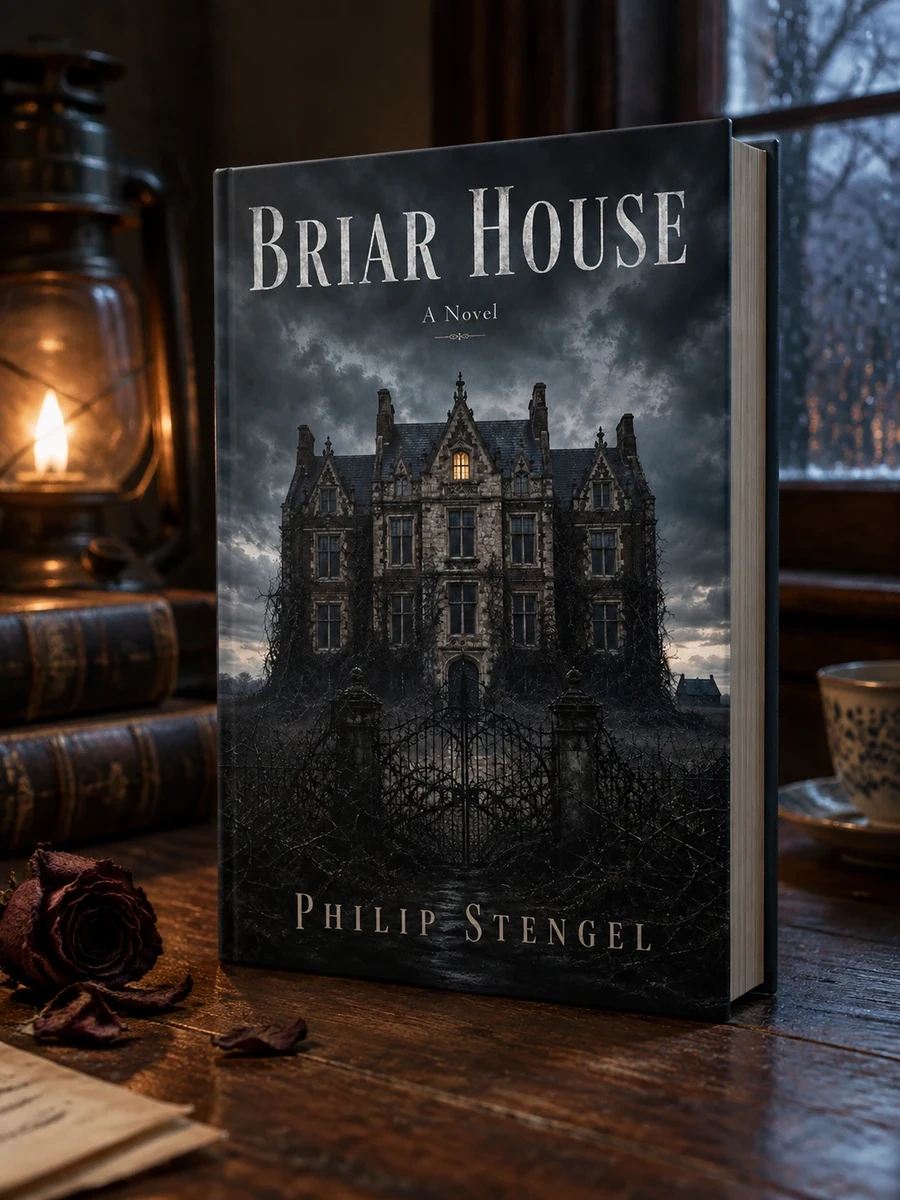
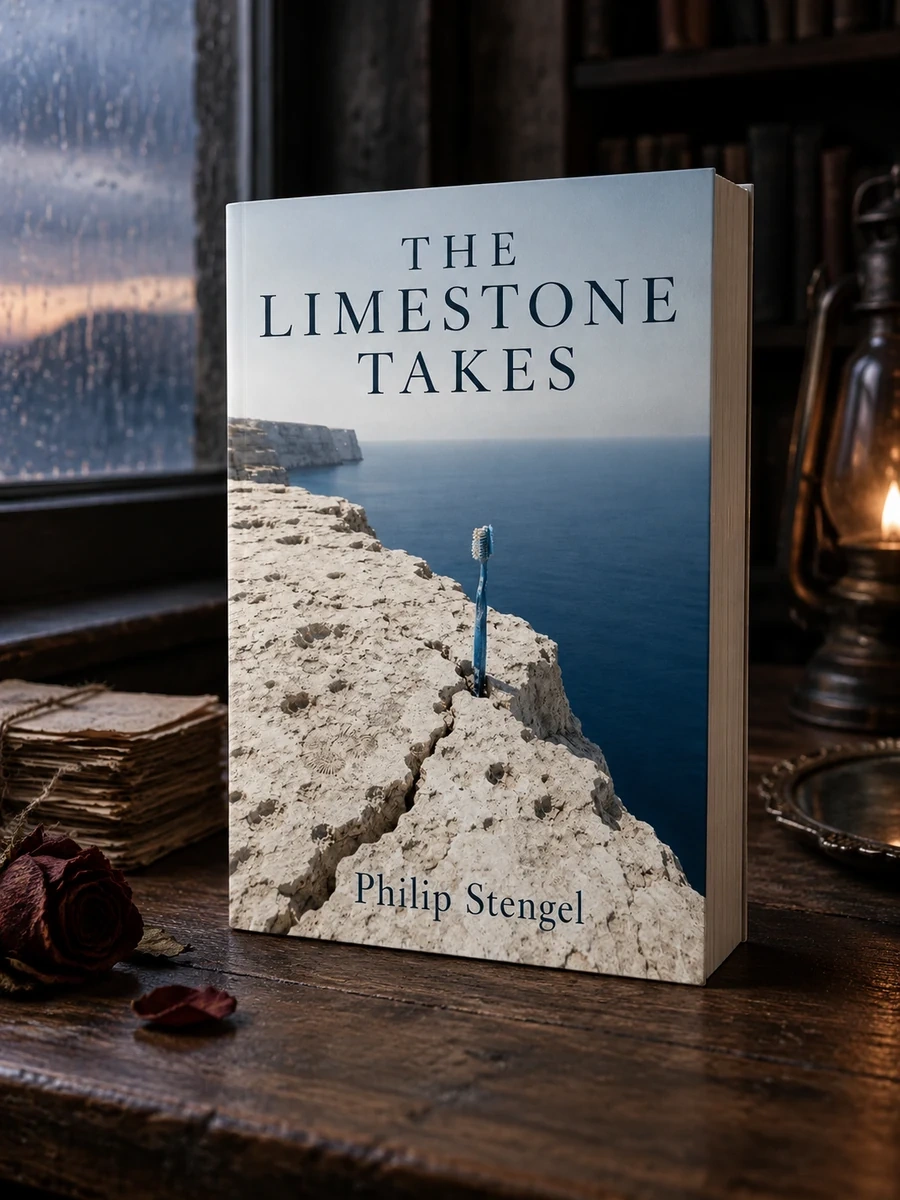
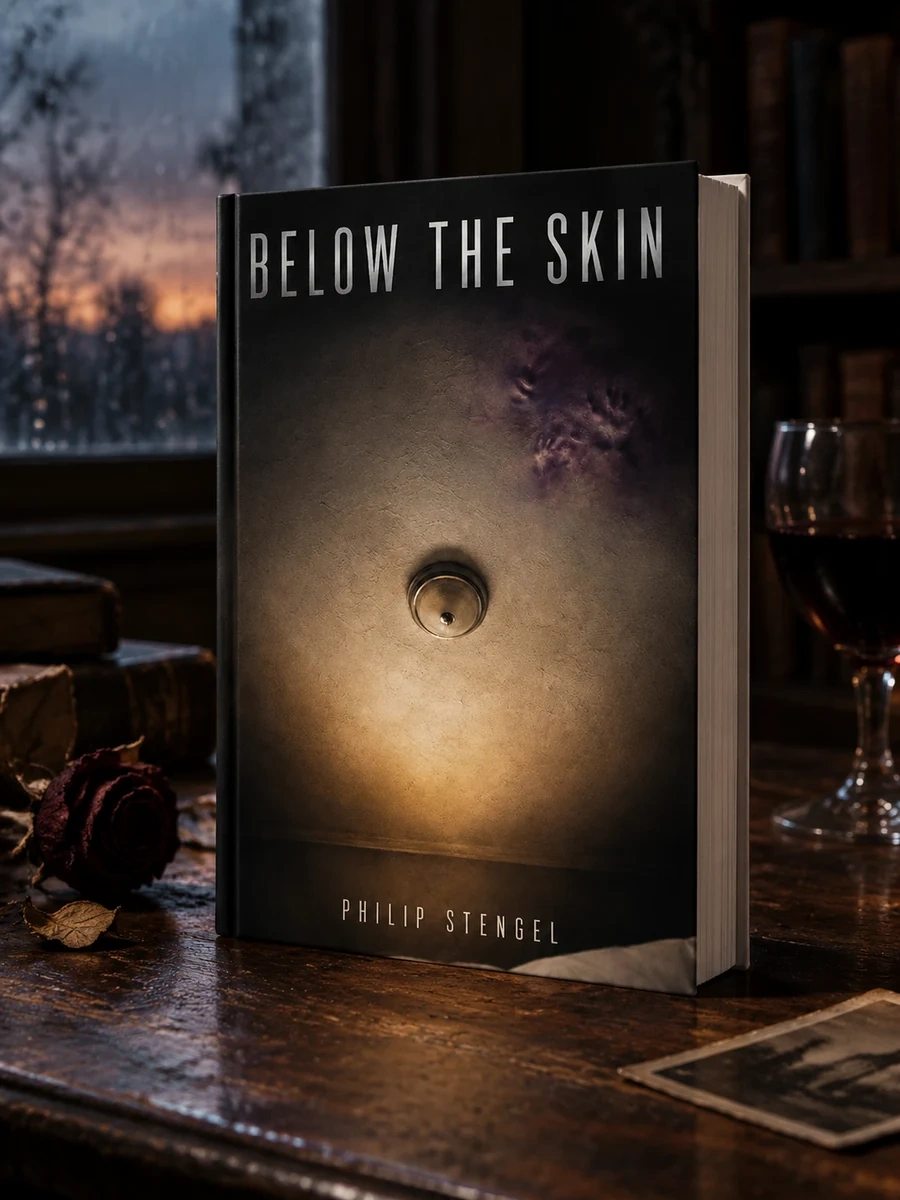
✍️ More books by this author Philip Stengel
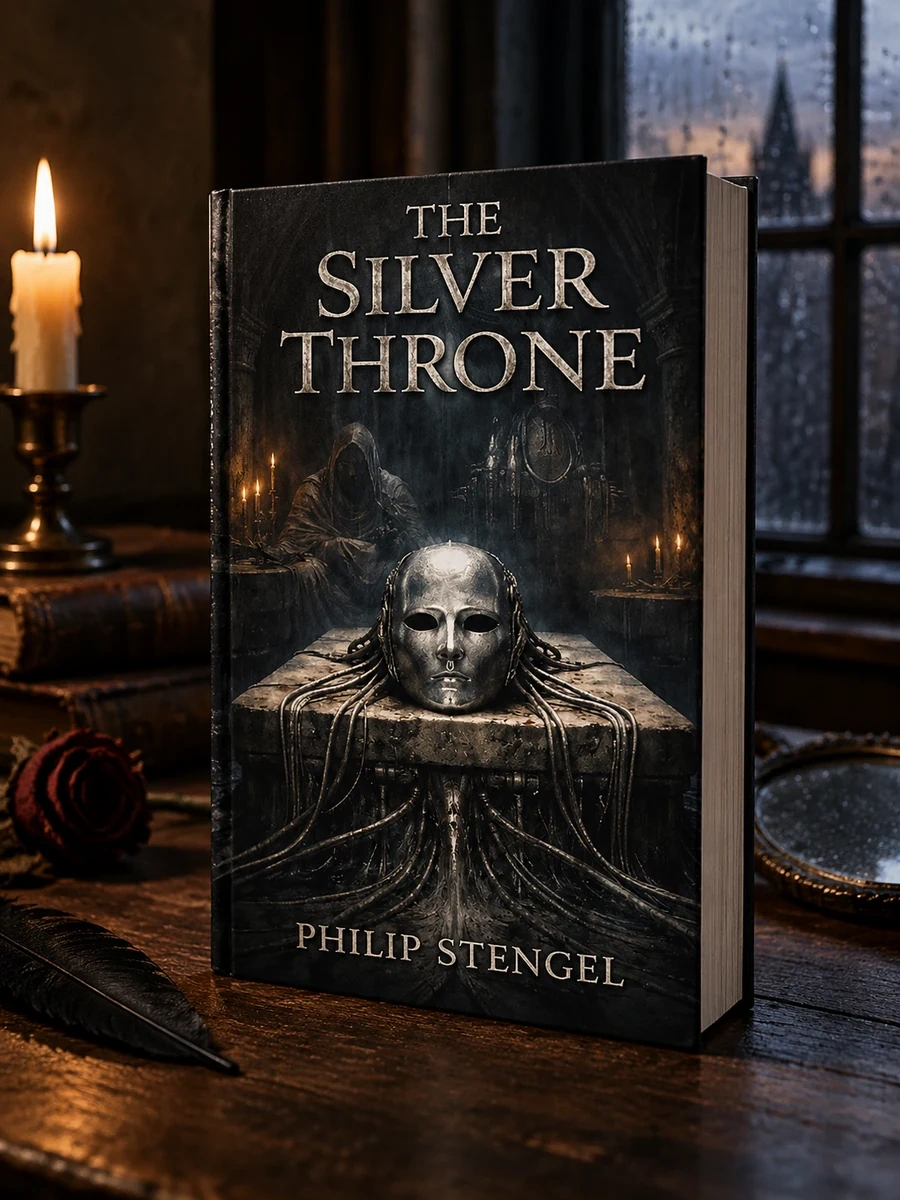



🏛 Books from this publisher Independently Published






You might also like
See more →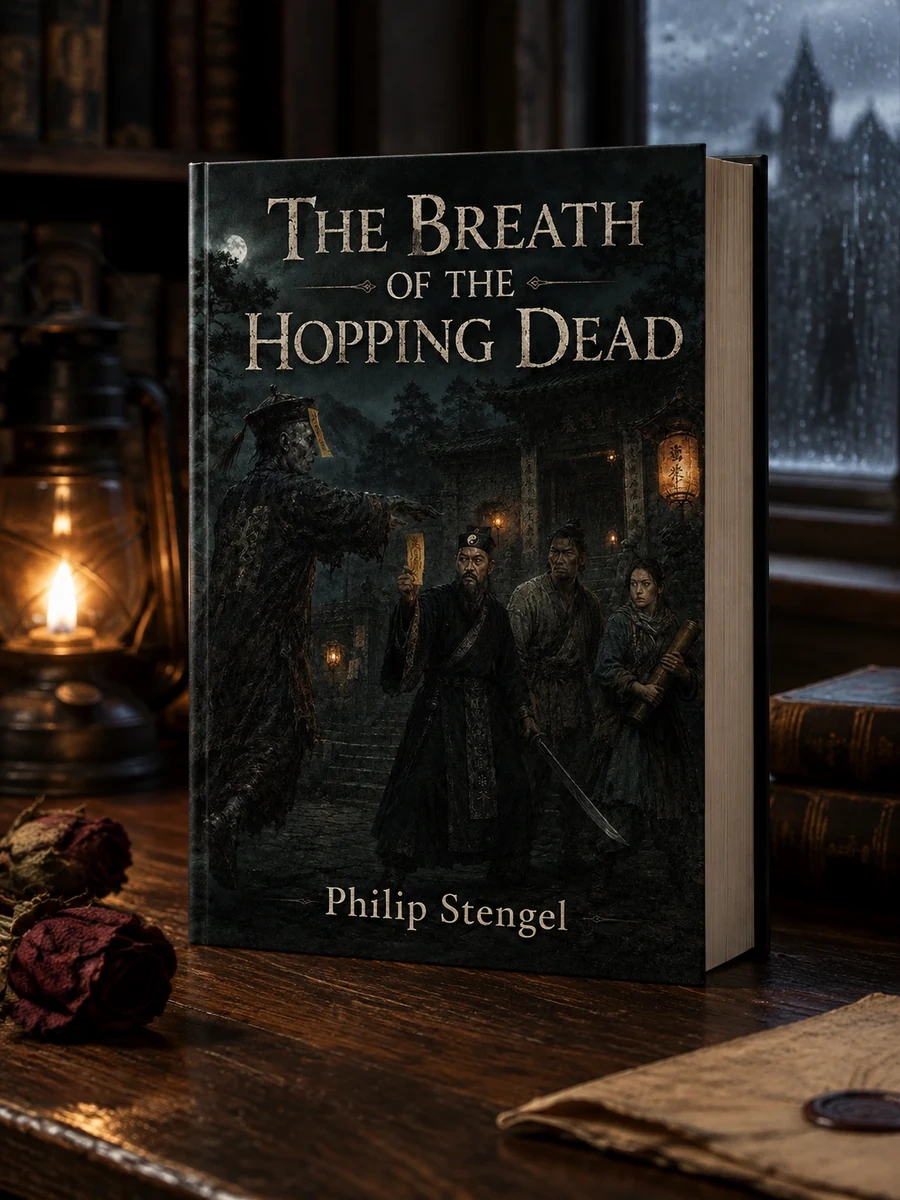
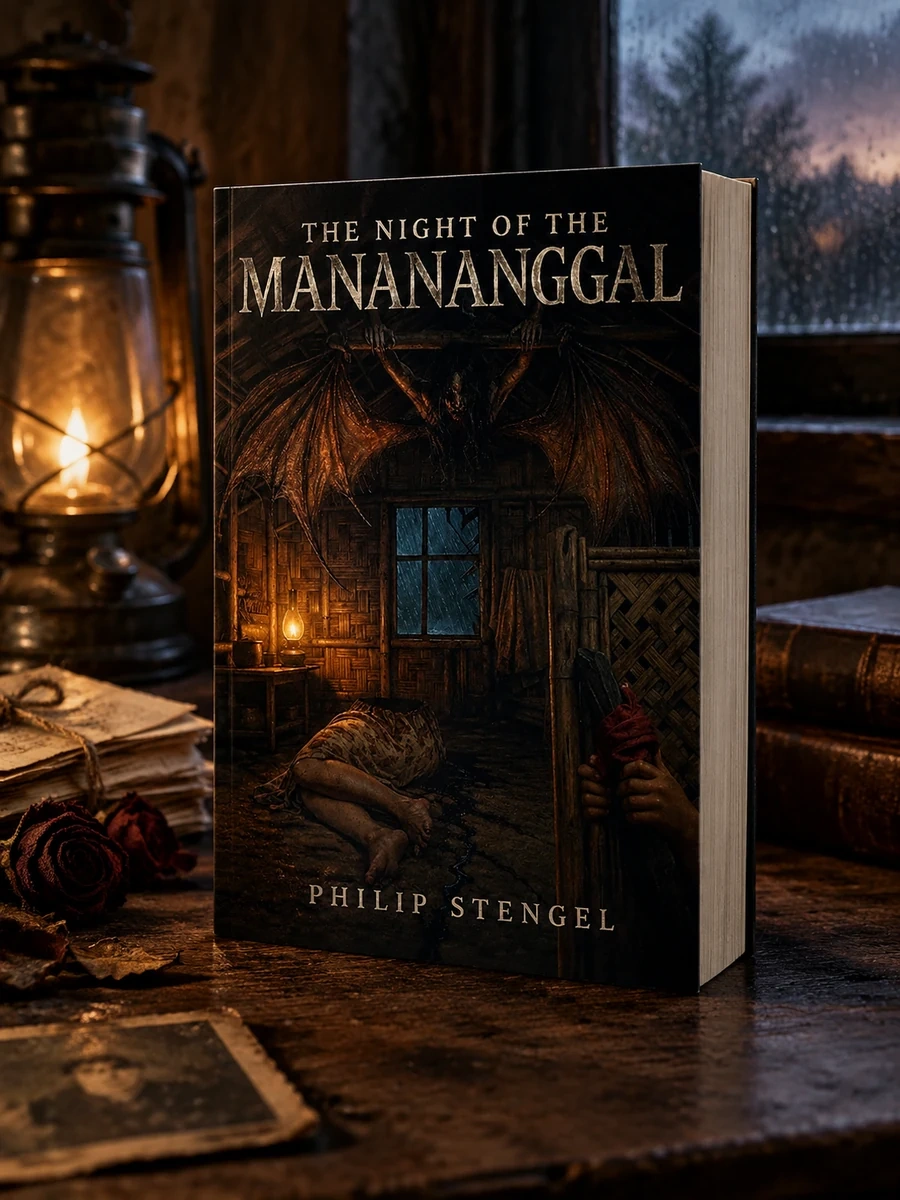
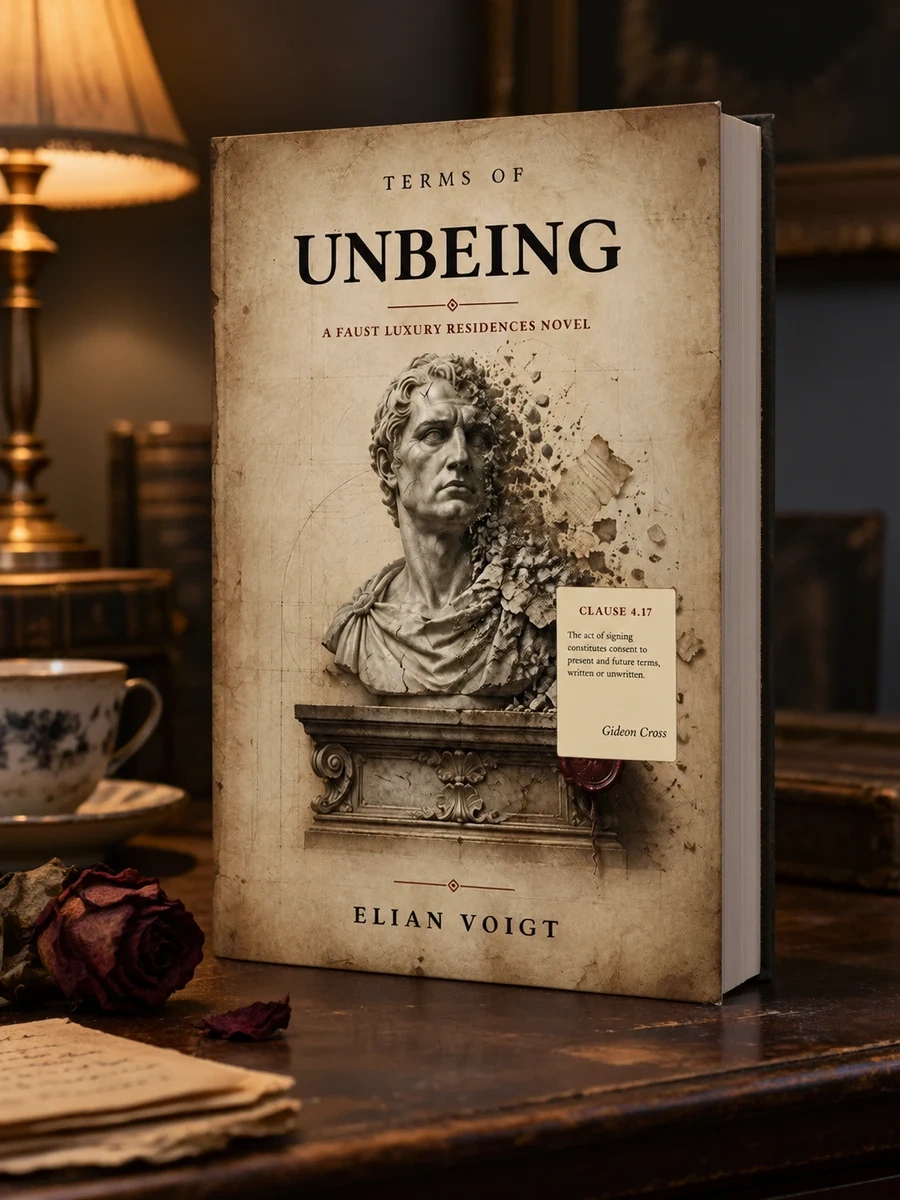
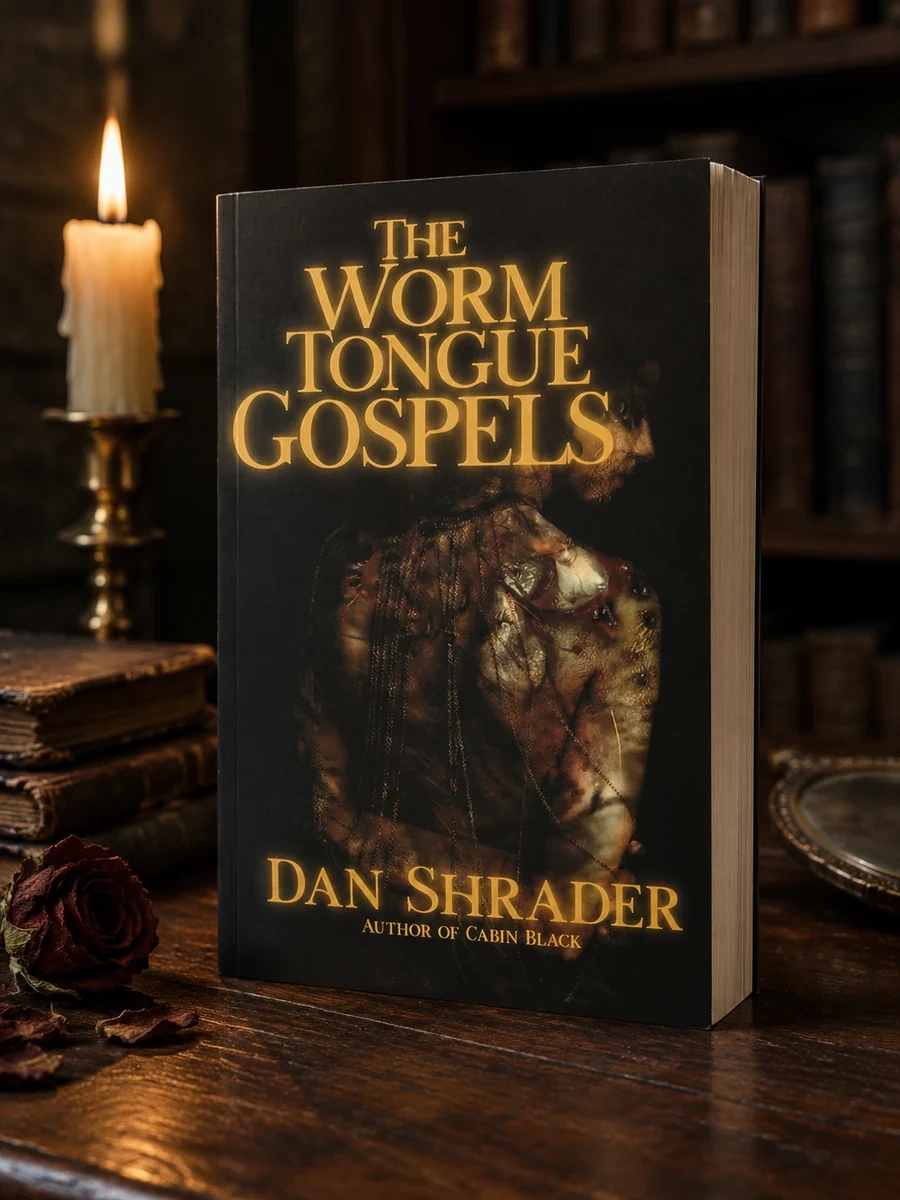
Have a question about this item?
Ask about the edition, condition, delivery or anything else — we reply by email or phone, usually within a day.
