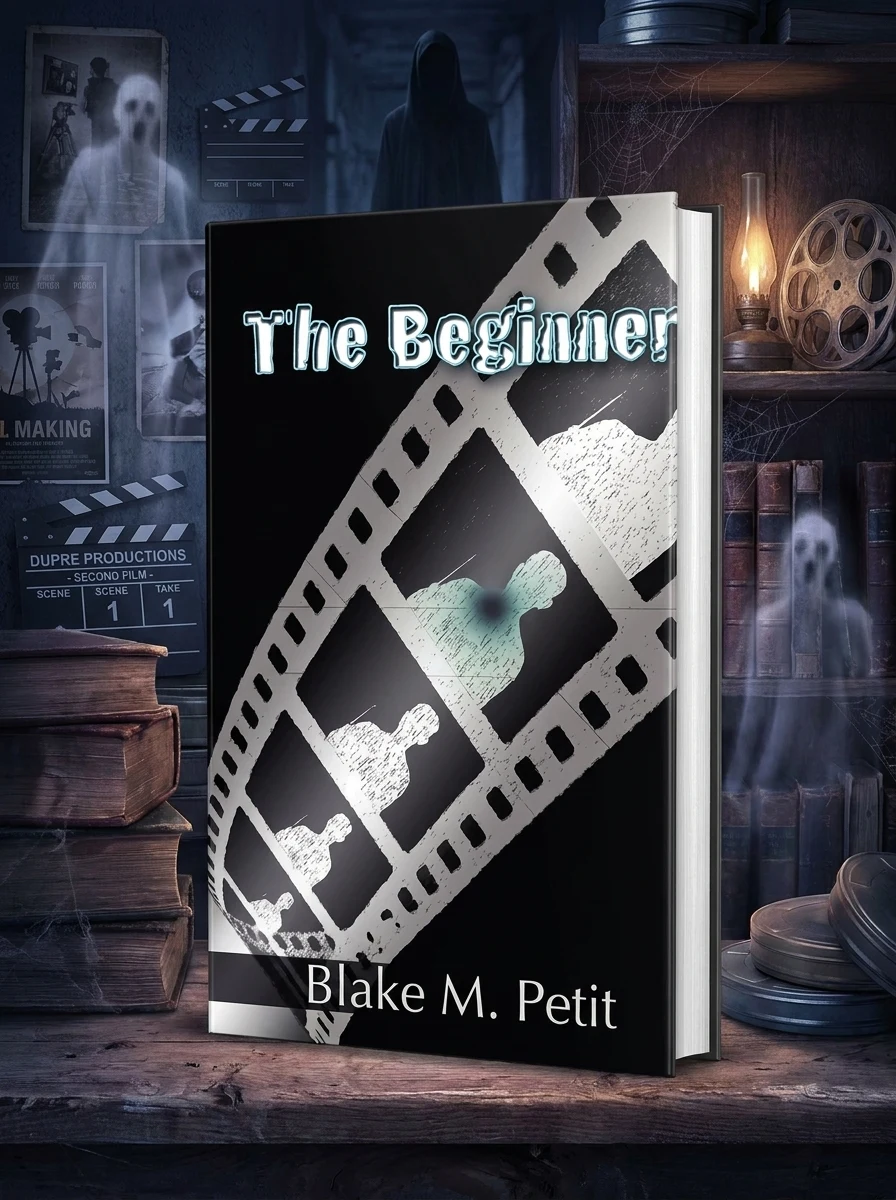

The Beginner
A filmmaker’s second movie turns deadly as crew members vanish from existence.
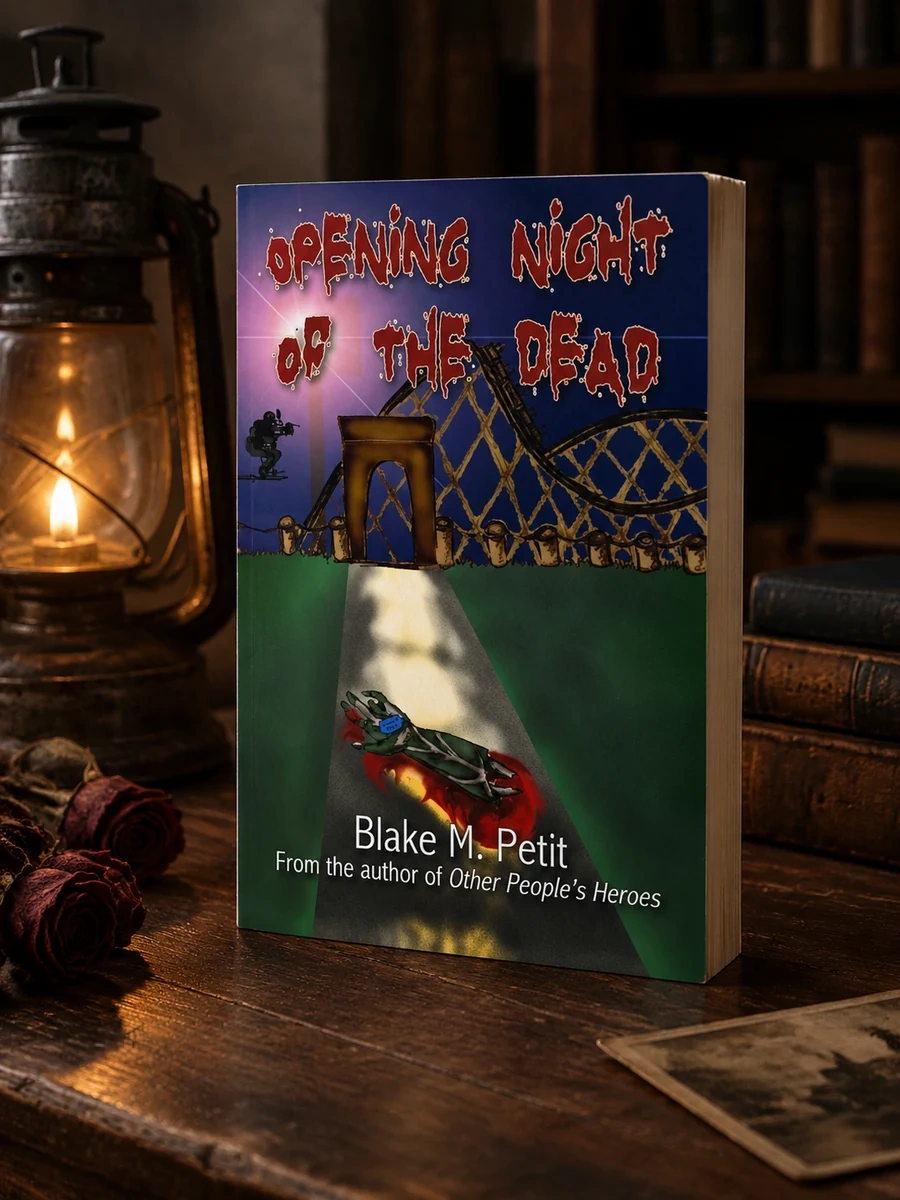
Curtis Dupre faces a terrifying situation while directing his second feature film. He has studio support and a dream cast, but the set becomes a place of loss. Individuals disappear without a trace, and their absence is forgotten by all except him. A mysterious figure targets those near the director, creating an atmosphere of paranoia. Curtis must examine his own identity to survive this supernatural assault. The story examines the cost of ambition and the fragility of memory. It offers a tight focus on one man’s struggle against an invisible enemy. The narrative does not rely on complex subplots but stays focused on the immediate threat.
Published in 2011 by Createspace Independent Publishing Platform, this work sits within the modern independent horror fiction market. It reflects a period where self-publishing allowed niche supernatural tales to reach readers directly. The book targets fans of gothic and horror genres who appreciate psychological tension.


📝 Description: The Beginner
💎 Our verdict on The Beginner
📖 Why choose it
Why this book is worth reading
Readers who enjoy suspenseful tales of disappearing persons and tight focuses on a single protagonist’s struggle will find this narrative compelling. The book appeals to those interested in the psychological dread of losing one's grip on reality, particularly within the context of creative industries. It offers an atmospheric exploration of paranoia where the threat is invisible yet pervasive. Fans of cosmic horror who appreciate the unraveling of sanity and the mystery of an unseen enemy will engage with Curtis Dupre’s descent. The story provides a focused examination of ambition’s dark side without relying on complex subplots, making it accessible for those seeking immediate peril and internal threats.
⭐ Reader reviews
Reader rating
The Beginner effectively utilizes the setting of a film production to heighten psychological dread. Blake M Petit structures the plot around the mystery of who vanishes next, creating a relentless sense of paranoia. The narrative excels in its tight focus on Curtis Dupre’s internal and external struggles against an invisible enemy. It avoids complex subplots to maintain immediate tension, appealing to readers who prefer atmospheric horror over historical accuracy or non-fiction accounts. The exploration of memory fragility adds depth to the supernatural elements. This is a suitable choice for those who enjoy gothic traditions of isolation and the unraveling of identity under pressure.