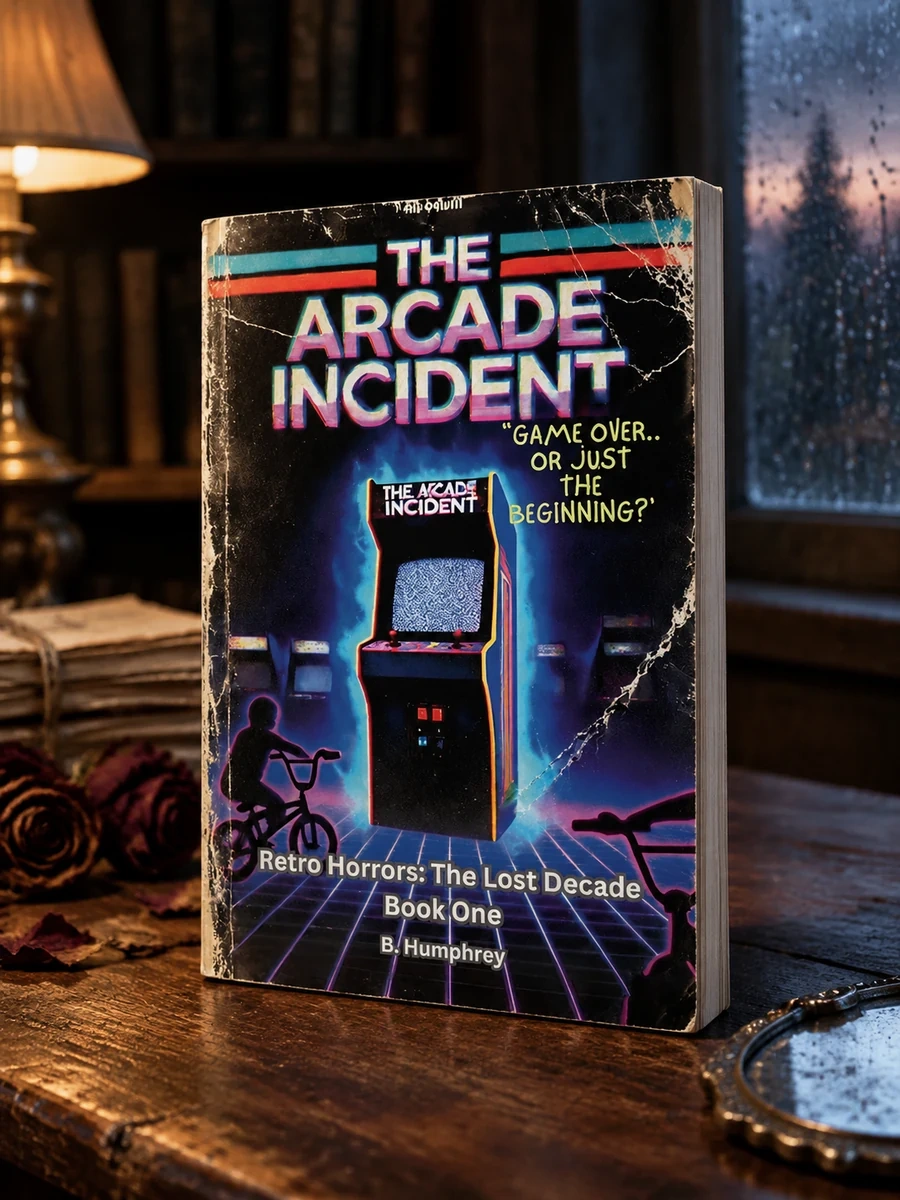
The Arcade Incident
A 1986 arcade cabinet traps players in a nightmare reality.
Humphrey constructs a narrative where the boundary between the physical world and the digital realm dissolves. The story begins with the introduction of Neon Abyss, a game that defies standard arcade mechanics. Tommy Mitchell and his friends investigate the disappearance of their peer, leading them to suspect the cabinet is a conduit for a malevolent entity. The plot progresses through their attempts to understand the glitching screen and the shifting mall environment. The author uses the specific cultural markers of 1986, such as synthwave music and token clinks, to ground the supernatural elements in a tangible reality. The tension builds as the game’s influence extends beyond the arcade floor, affecting the entire mall structure.
The narrative is firmly rooted in the summer of 1986. It utilizes the specific cultural landscape of American shopping malls and arcade culture from that decade. The setting relies on the aesthetic of neon glow and synthwave music to establish the period atmosphere.


📝 Description: The Arcade Incident
💎 Our verdict on The Arcade Incident
📖 Why choose it
Why this book is worth reading
Readers who appreciate horror fiction set within specific historical periods will find this book particularly engaging due to its immersive atmosphere. The story appeals to those fascinated by the intersection of technology and isolation, offering a unique perspective on how digital realms can blur with reality. Fans of gothic atmospheres mixed with 1980s pop culture references will enjoy the tangible setting of the Pixel Palace mall. The narrative provides a compelling exploration of supernatural forces manifesting through arcade cabinets, making it ideal for those who enjoy linear storytelling that builds tension through psychological dread rather than complex non-linear structures.
⭐ Reader reviews
Reader rating
B Humphrey effectively constructs a chilling atmosphere by merging gothic horror traditions with the nostalgic aesthetic of 1986. The novel succeeds in making the digital realm feel menacing and tangible, using the arcade cabinet as a potent conduit for malevolent energy. The shift in the mall environment serves as a clever extension of the psychological horror, ensuring that even familiar comforts like mixtapes offer no protection. This approach suits readers who enjoy supernatural fiction grounded in specific historical contexts. While those seeking traditional fantasy or complex narrative structures may find it lacking, fans of tech-infused dread will appreciate the focused, linear progression and the eerie dissolution of boundaries between the physical and digital worlds.
📖 Read on the blog
📖 From the series “Retro Horrors: The Lost Decade”
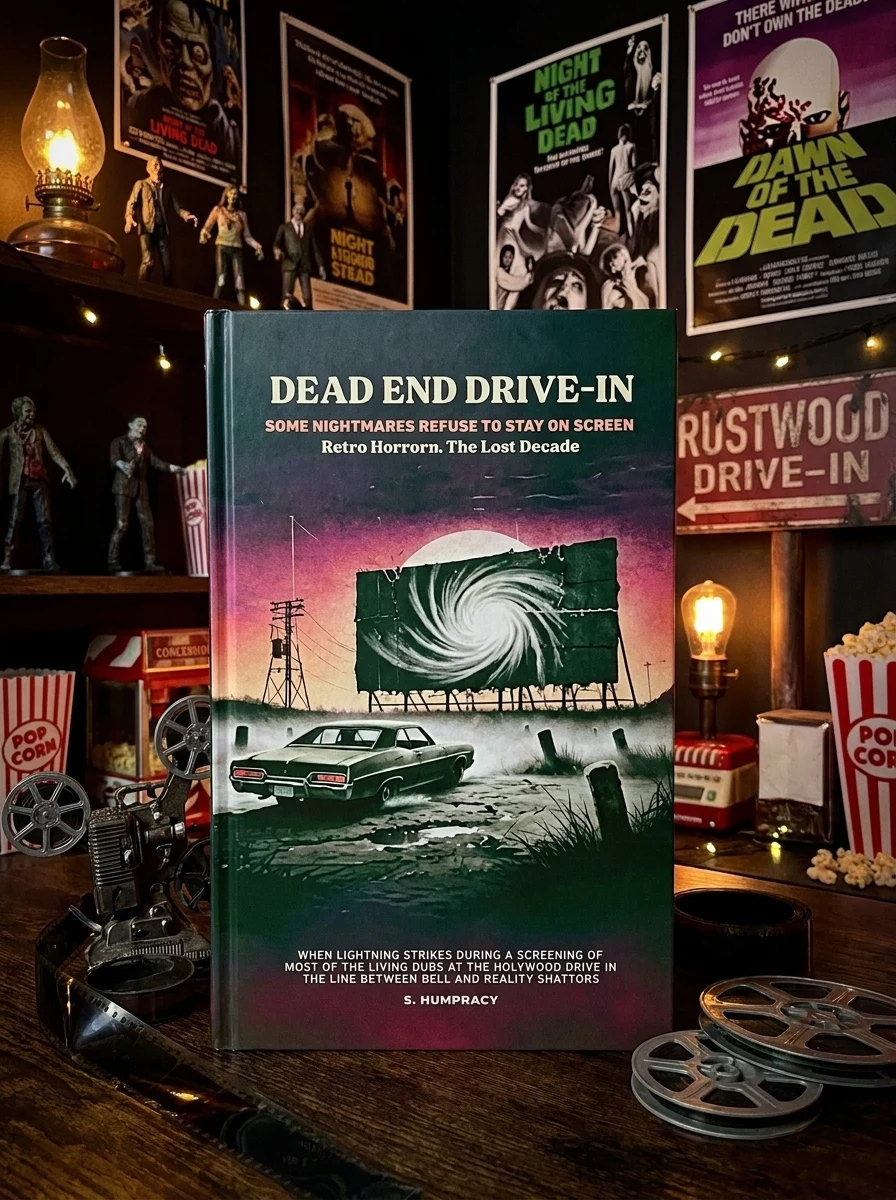


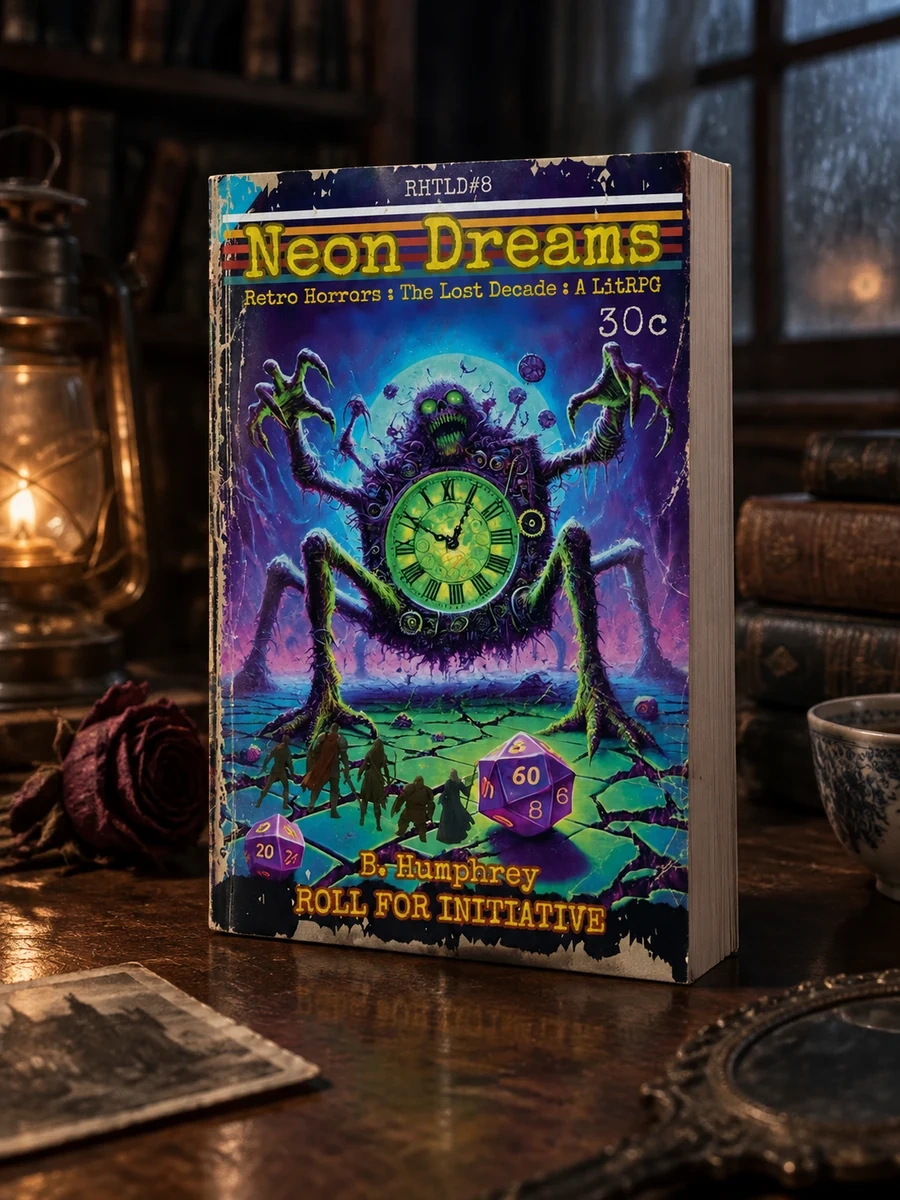

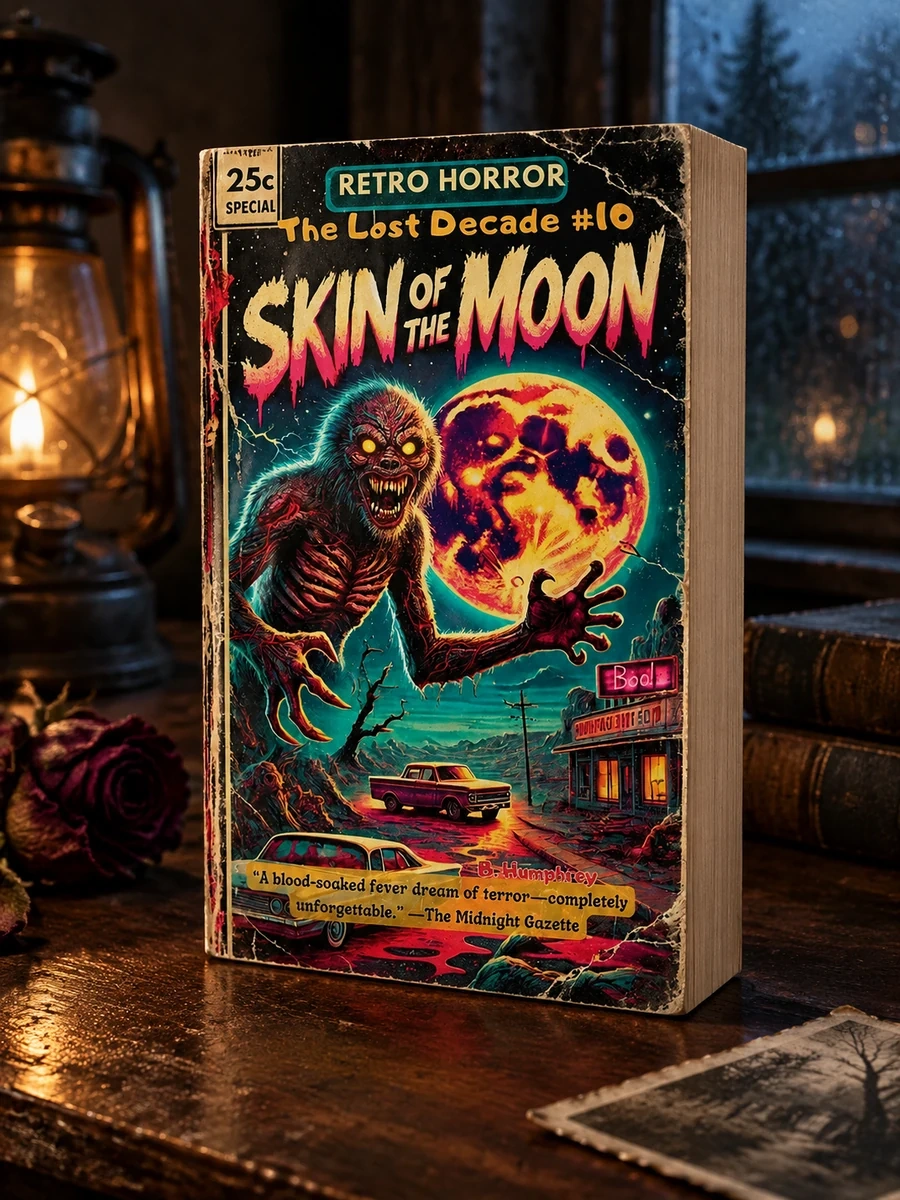
✍️ More books by this author B Humphrey


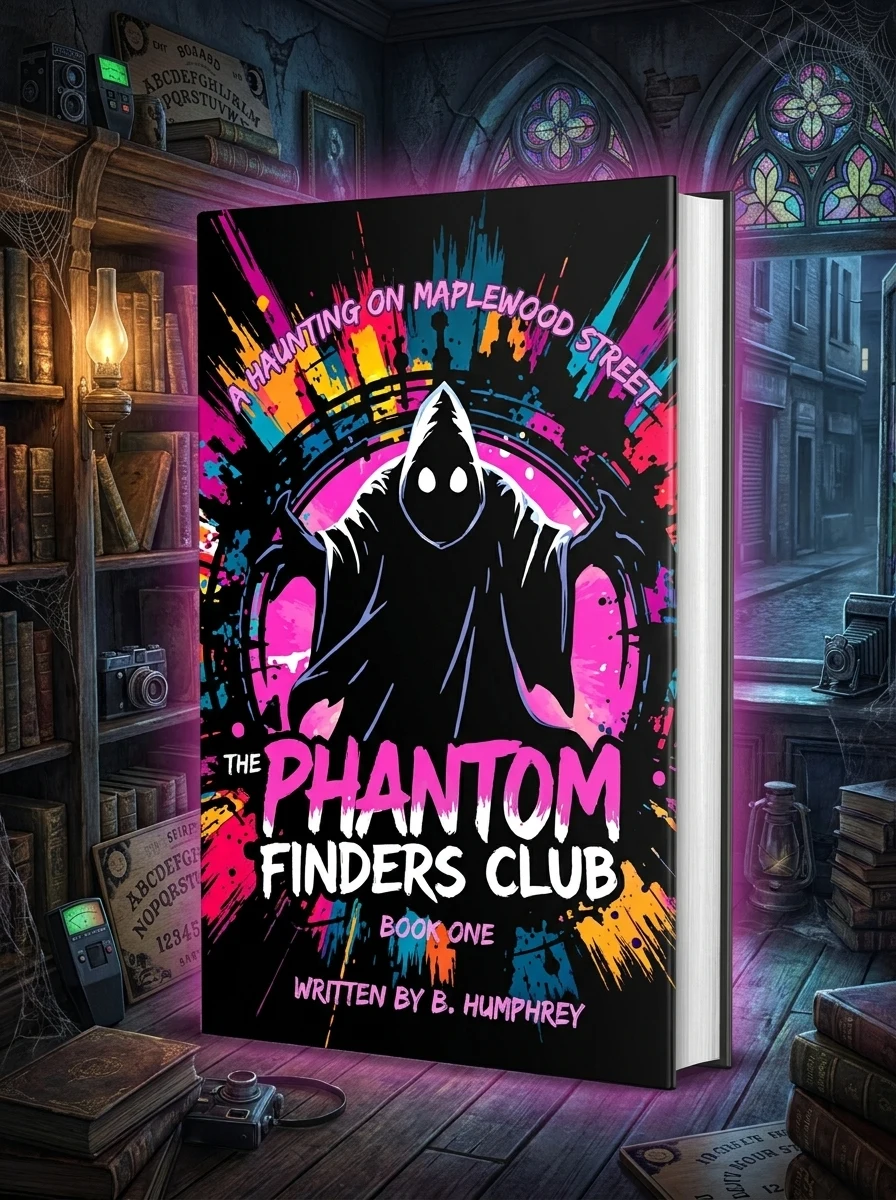
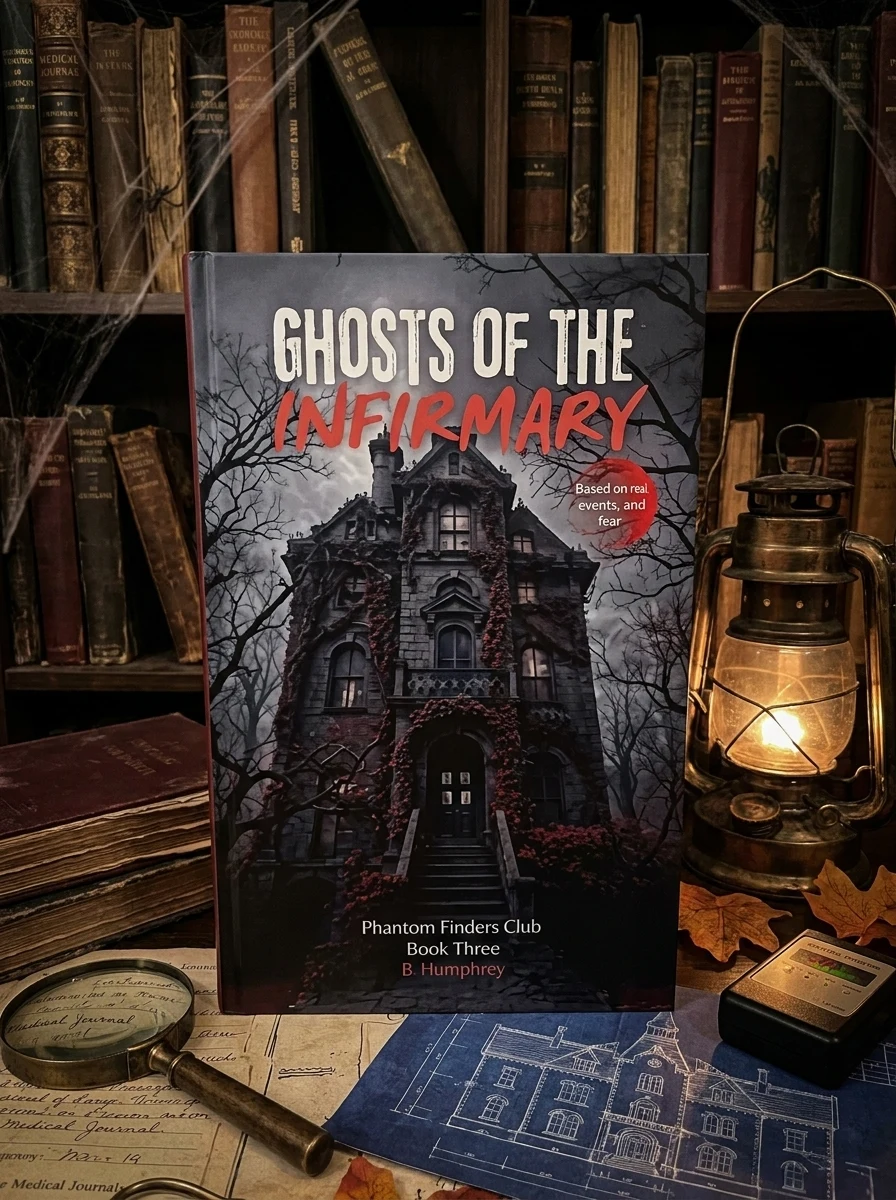
🏛 Books from this publisher B. Humphrey

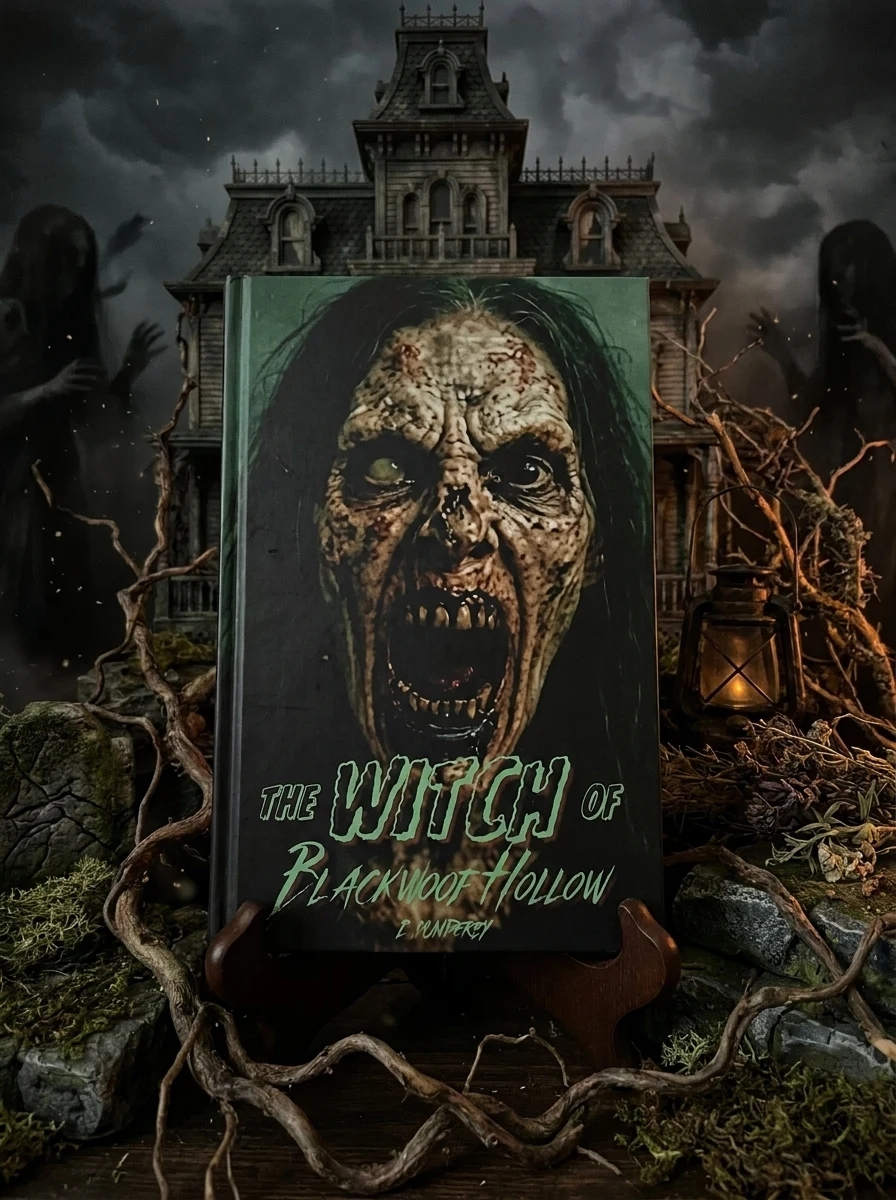
You might also like
See more →



Have a question about this item?
Ask about the edition, condition, delivery or anything else — we reply by email or phone, usually within a day.
