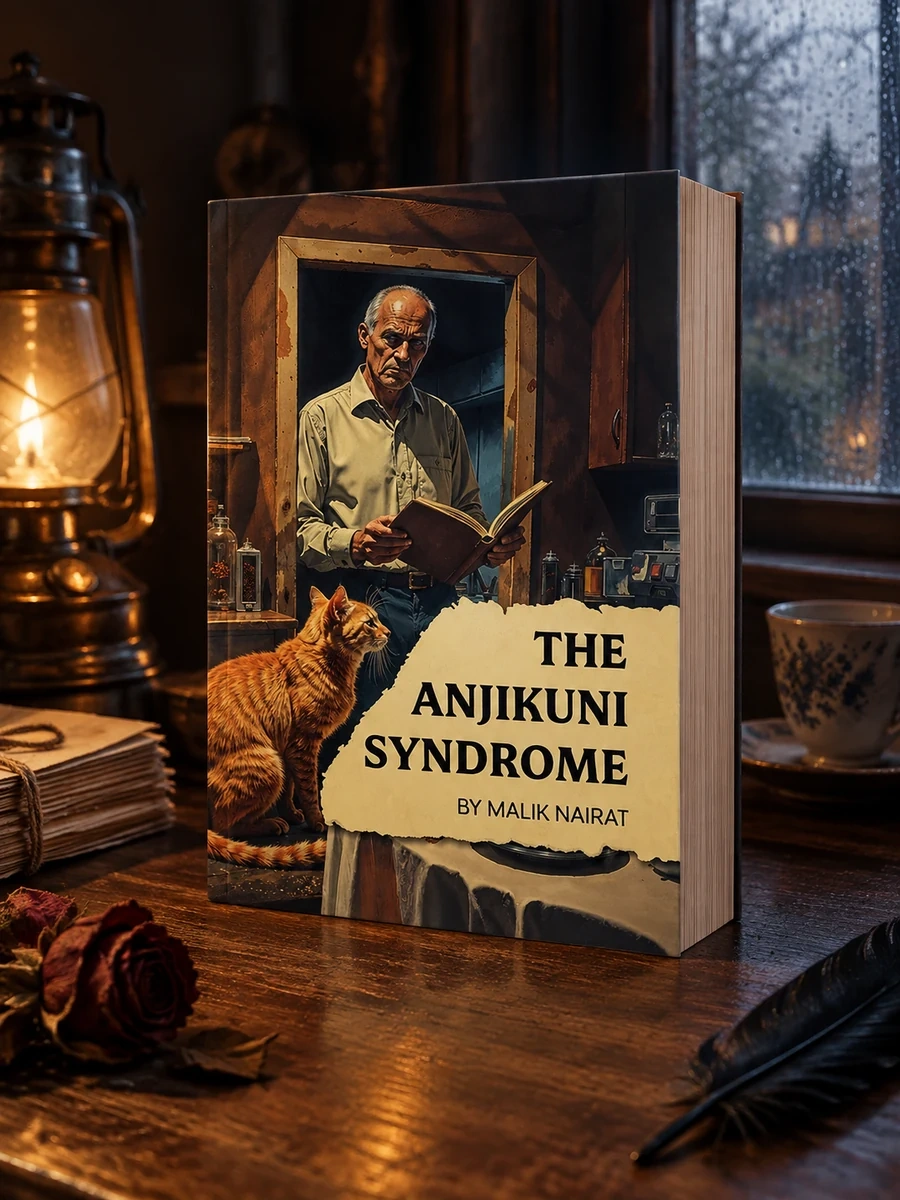
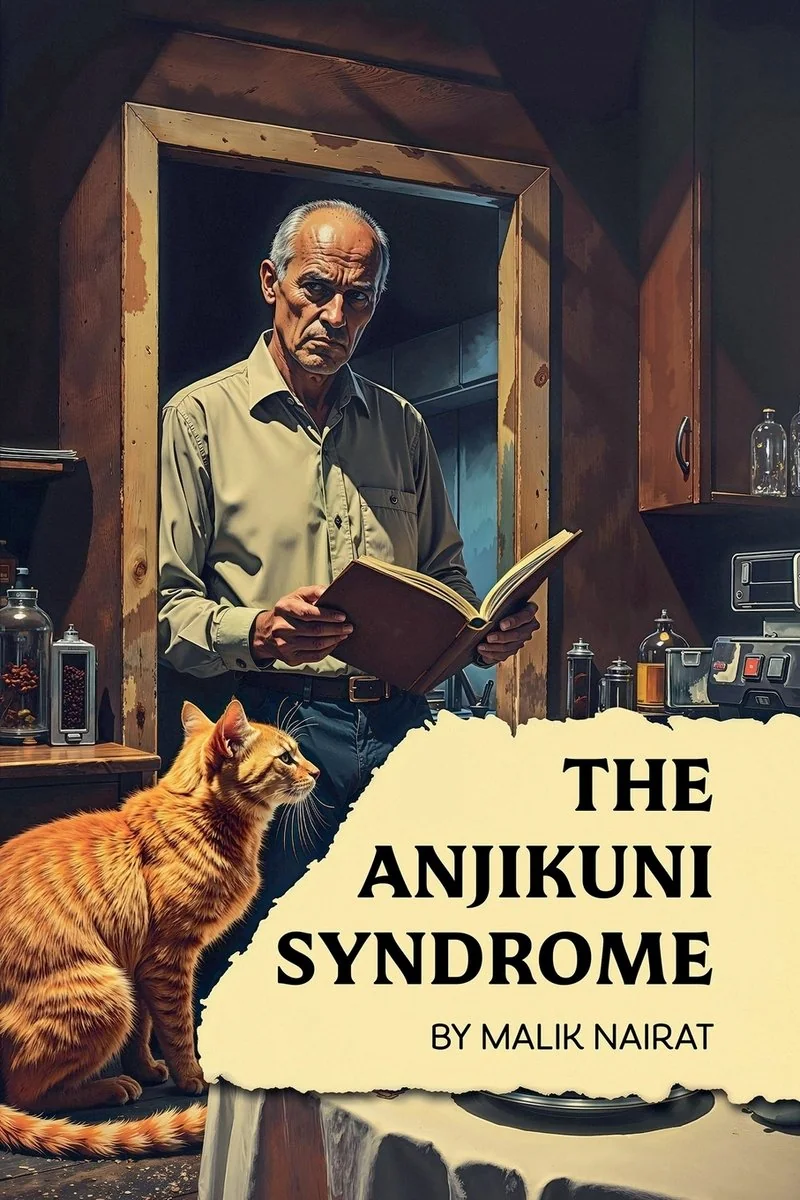
The Anjikuni Syndrome
A standalone horror novel blending folklore and Muslim motifs for slow-burn dread.
The novel twists mythological elements to create psychological discomfort. Nairat uses fairy tales and legends as foundations, adding Muslim cultural motifs. This mix creates a landscape that feels both known and strange. The author prioritizes atmosphere over plot mechanics, letting unease build gradually. The structure relies on tension between ancient oral traditions and modern settings. By removing standard horror tropes, the work forces engagement with underlying myths. This highlights how historical warnings remain relevant today. The book offers no easy answers or clear resolutions. Instead, it presents a persistent feeling of wrongness from clashing old beliefs and new realities. The focus stays on the internal experience of readers and characters within this mythic framework.
This 2025 paperback bridges traditional folklore with modern terror. It draws on fairy tales, legends, and Muslim cultural motifs to explore how ancient warnings echo through contemporary anxieties.


📝 Description: The Anjikuni Syndrome
💎 Our verdict on The Anjikuni Syndrome
📖 Why choose it
Why this book is worth reading
Readers who value atmospheric tension over action will find this book rewarding. It appeals to those seeking a slow-burn unease rooted in cultural history rather than sudden shocks. The narrative offers a fresh perspective on mythological horror by avoiding clichés and established tropes. It is ideal for audiences interested in how ancient warnings resonate with modern anxieties. Those who prefer deliberate pacing and lingering impressions of wrongness will appreciate the focus on internal experience. This work suits individuals who enjoy stories grounded in old myths but presented through a contemporary lens. It provides a unique blend of familiar yet alien terror for those willing to engage with underlying legends.
⭐ Reader reviews
Reader rating
Malik Nairat crafts a standalone horror novel that prioritizes atmosphere over plot mechanics, creating a landscape that feels both known and strange. By merging fairy tales, legends, and Muslim cultural themes, the text generates psychological discomfort through the clash of ancient oral traditions and modern settings. The narrative avoids standard horror tropes, forcing engagement with historical warnings that remain relevant today. This approach results in a persistent feeling of wrongness rather than clear resolutions. Readers who appreciate slow-burn dread and stories grounded in cultural history will find this work compelling. However, those preferring fast-paced thrills may struggle with the deliberate pacing. The book successfully grounds its horror in tradition while keeping the experience fresh and unsettling.
📖 Read on the blog
✍️ More books by this author Malik Nairat


🏛 Books from this publisher Malik Nairat
You might also like
See more →
Have a question about this item?
Ask about the edition, condition, delivery or anything else — we reply by email or phone, usually within a day.
