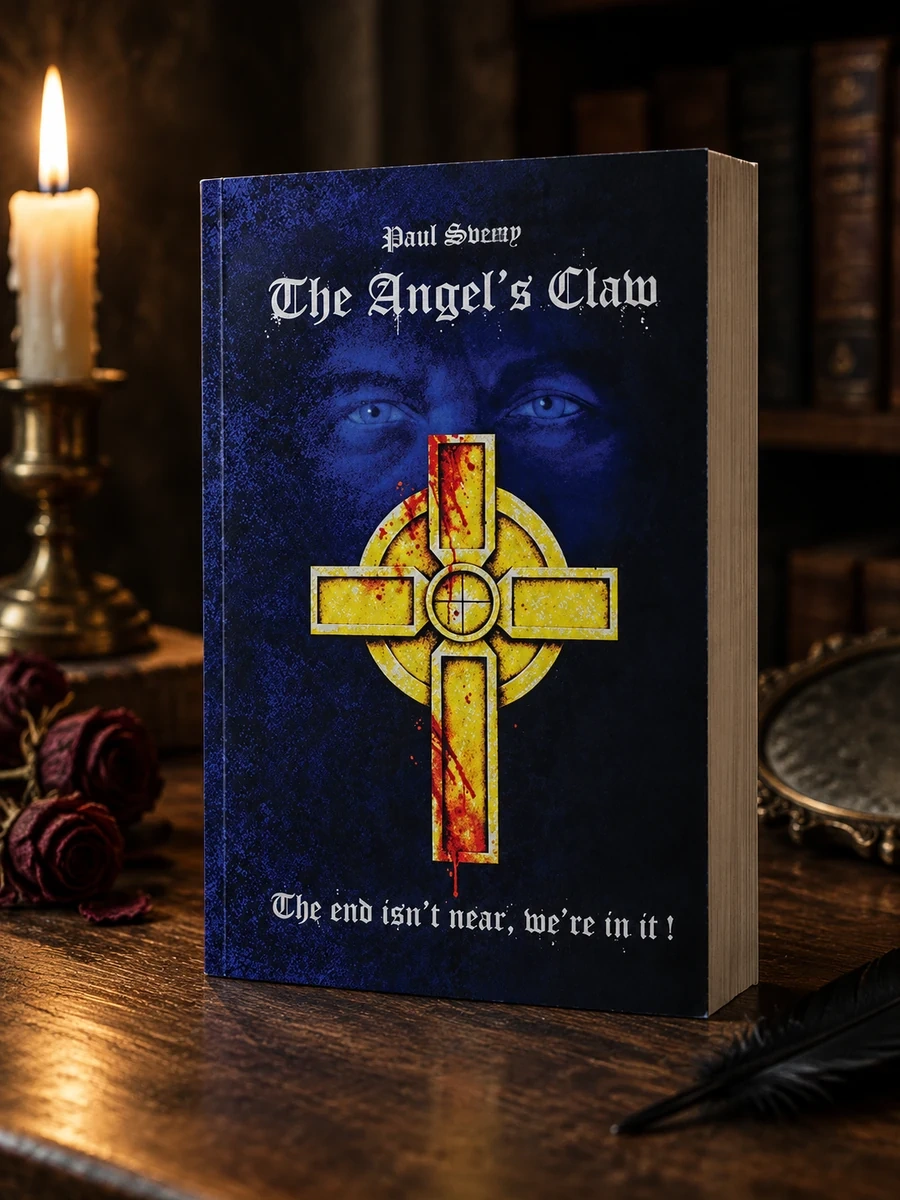

The Angel's Claw: The End Isn't Near, We're In It!
A homeless man with psychic gifts becomes the key to stopping demonic corruption in a midwestern city.
Sveen explores the concept of an angel trap set by Michael and David. The narrative shifts between the hunters in the birch forest and Crazy Billy in Redden. Billy’s aura reading ability connects him to dark angels and Tripes. The plot examines how these unseen forces influence human behavior through rage and fantasy. Sveen qualifies as the author and publisher, creating a self-contained mythos. The story does not rely on ancient texts but on immediate supernatural threats. Readers will find a unique take on apocalypse prevention through an unstable protagonist.
Set in the midwestern city of Redden and surrounding birch forests, this 2015 publication by Paul Sveen engages with contemporary American urban fantasy. It reimagines biblical entities like angels and demons within a modern, gritty context, reflecting current trends in supernatural fiction that blend theological horror with street-level realism.


📝 Description: The Angel's Claw: The End Isn't Near, We're In It!
💎 Our verdict on The Angel's Claw: The End Isn't Near, We're In It!
📖 Why choose it
Why this book is worth reading
Readers drawn to psychological horror and complex mythos will find this narrative compelling. The story offers a unique perspective through an unstable protagonist, Crazy Billy, whose psychic gifts reveal the dark undercurrents of human behavior. It appeals to those interested in how unseen forces influence rage and fantasy. The blend of gothic elements with supernatural thriller mechanics creates a distinct reading experience. Fans of outcast protagonists navigating hidden powers will appreciate the intricate character dynamics. It provides a fresh take on apocalypse prevention without relying on ancient texts, focusing instead on immediate threats.
⭐ Reader reviews
Reader rating
Sveen crafts a tense atmosphere where divine protection clashes with demonic corruption. The narrative effectively shifts between the hunters and the psychic homeless man, creating a layered sense of impending doom. The concept of an angel trap adds depth to the theological horror genre. While it may lack traditional atmospheric dread, it compensates with psychological tension and modern supernatural mechanics. This approach suits readers who prefer complex character dynamics over simple scares. The book stands out for its unique protagonist and the examination of how dark angels influence human behavior through rage.
You might also like
See more →





Have a question about this item?
Ask about the edition, condition, delivery or anything else — we reply by email or phone, usually within a day.
