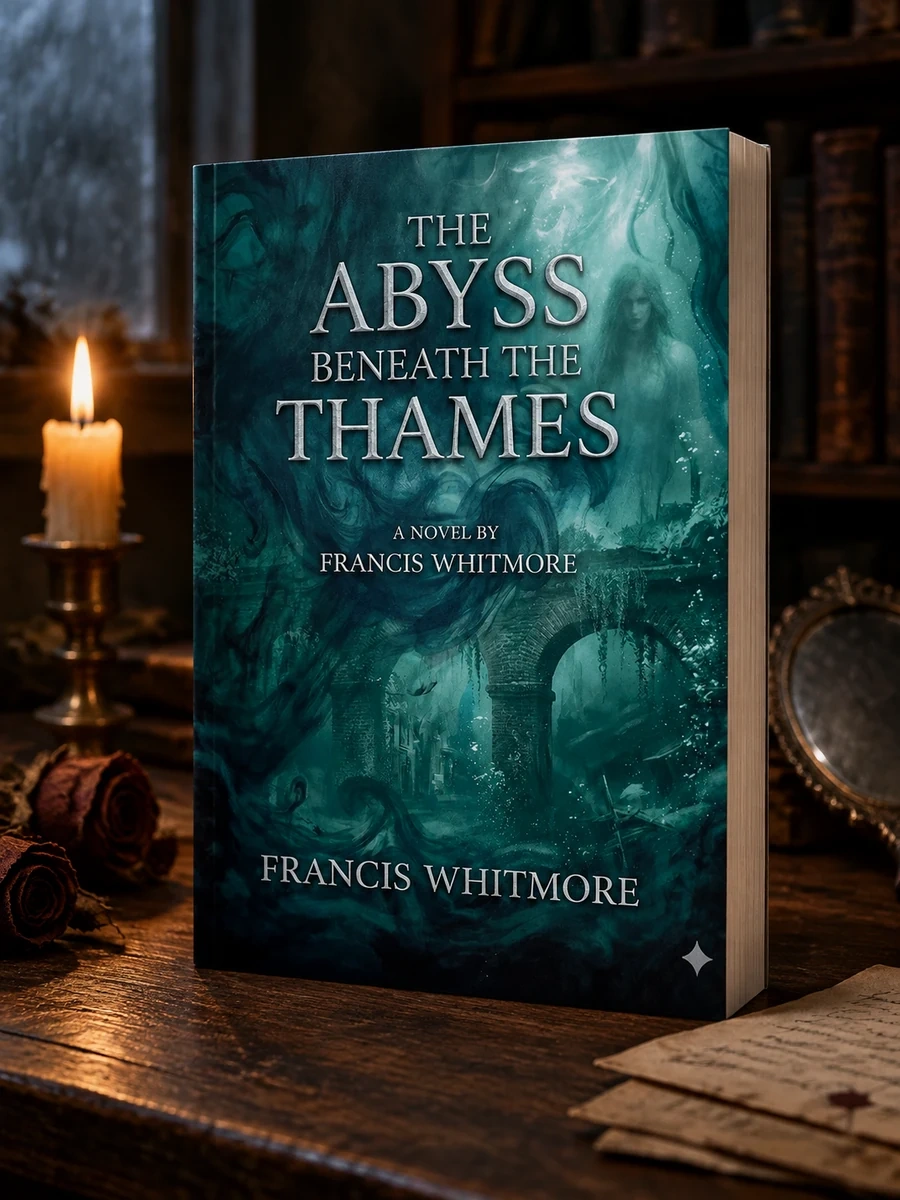
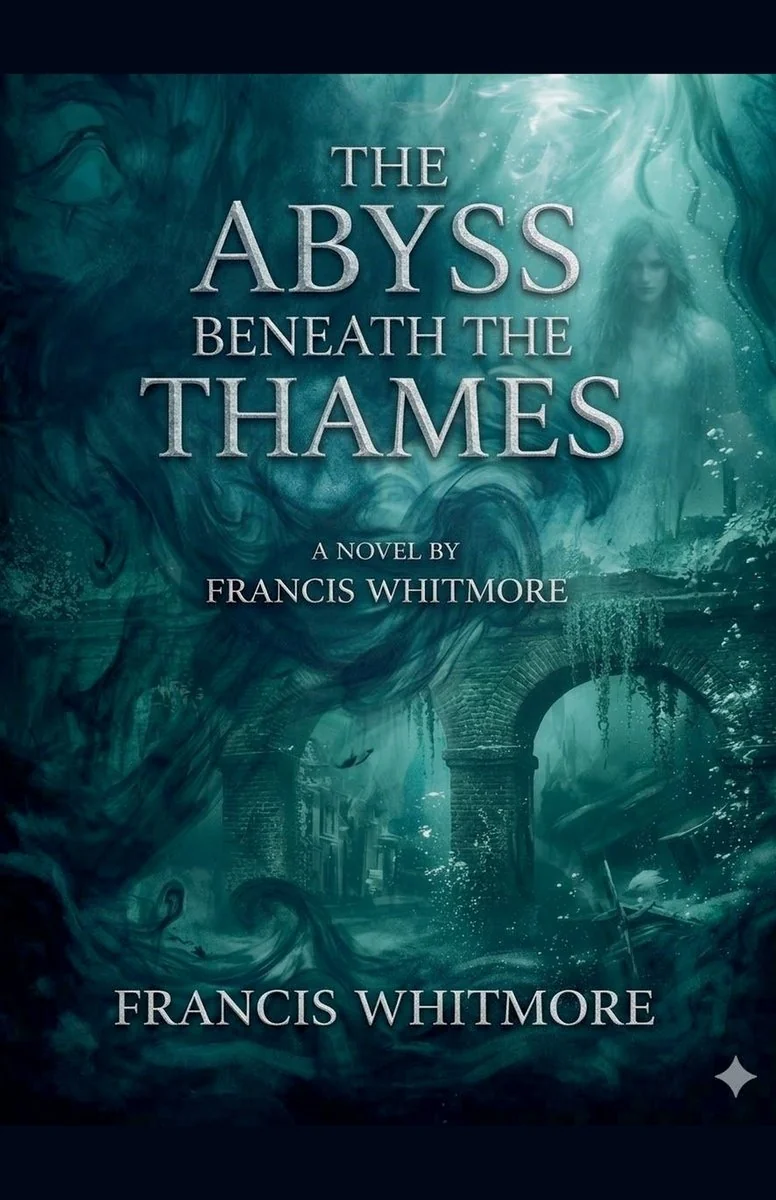
The Abyss Beneath the Thames
A logical architect faces a ritualistic sacrifice beneath London's river.
Thomas Wood attempts to save his cousin Isla from an ancient entity using rational methods. His efforts fail as the briny smell and breathing sounds intensify within their home. Fiona observes the supernatural truth that Thomas denies. The climax occurs in the Blackwall Tunnel, revealing the ritualistic nature of Isla’s condition. Whitmore uses this setup to examine how far one will go for a lost cause. The narrative structure moves from domestic unease to subterranean terror. Readers interested in character-driven horror and gothic traditions will find this compelling. Those preferring scientific explanations for supernatural events may feel frustrated by the lack of rational answers.
The story draws on gothic thriller traditions set in London. It utilizes the Thames and Blackwall Tunnel as key locations for supernatural events. The narrative blends domestic horror with ancient mythological elements, creating a sense of dread rooted in specific urban geography.


📝 Description: The Abyss Beneath the Thames
💎 Our verdict on The Abyss Beneath the Thames
📖 Why choose it
Why this book is worth reading
Readers who appreciate atmospheric horror grounded in domestic dread will find this book compelling. It appeals to those interested in character-driven narratives where psychological tension supersedes action. The story offers a deep dive into the limits of empathy and the desperate need to protect one’s sanctuary against supernatural forces. Those who enjoy gothic traditions and the slow build of subterranean terror will gain satisfaction from the exploration of how far logic can stretch before breaking. It is ideal for fans of stories examining lost causes and inevitable doom without relying on fast-paced resolutions or clear answers.
⭐ Reader reviews
Reader rating
Whitmore crafts a suffocating atmosphere that effectively bridges domestic unease with subterranean terror. The narrative succeeds in portraying the failure of rational methods against ancient, ritualistic evils, creating a sense of inescapable dread. The focus on the protagonist's pathological savior complex adds psychological depth to the supernatural horror. This approach suits readers who favor character-driven horror and gothic traditions over scientific explanations for the unknown. While those seeking action or definitive answers may feel frustrated, the book delivers a powerful examination of sanity unraveling under pressure. It is a strong choice for enthusiasts of atmospheric, slow-burn terror.
You might also like
See more →






Have a question about this item?
Ask about the edition, condition, delivery or anything else — we reply by email or phone, usually within a day.
