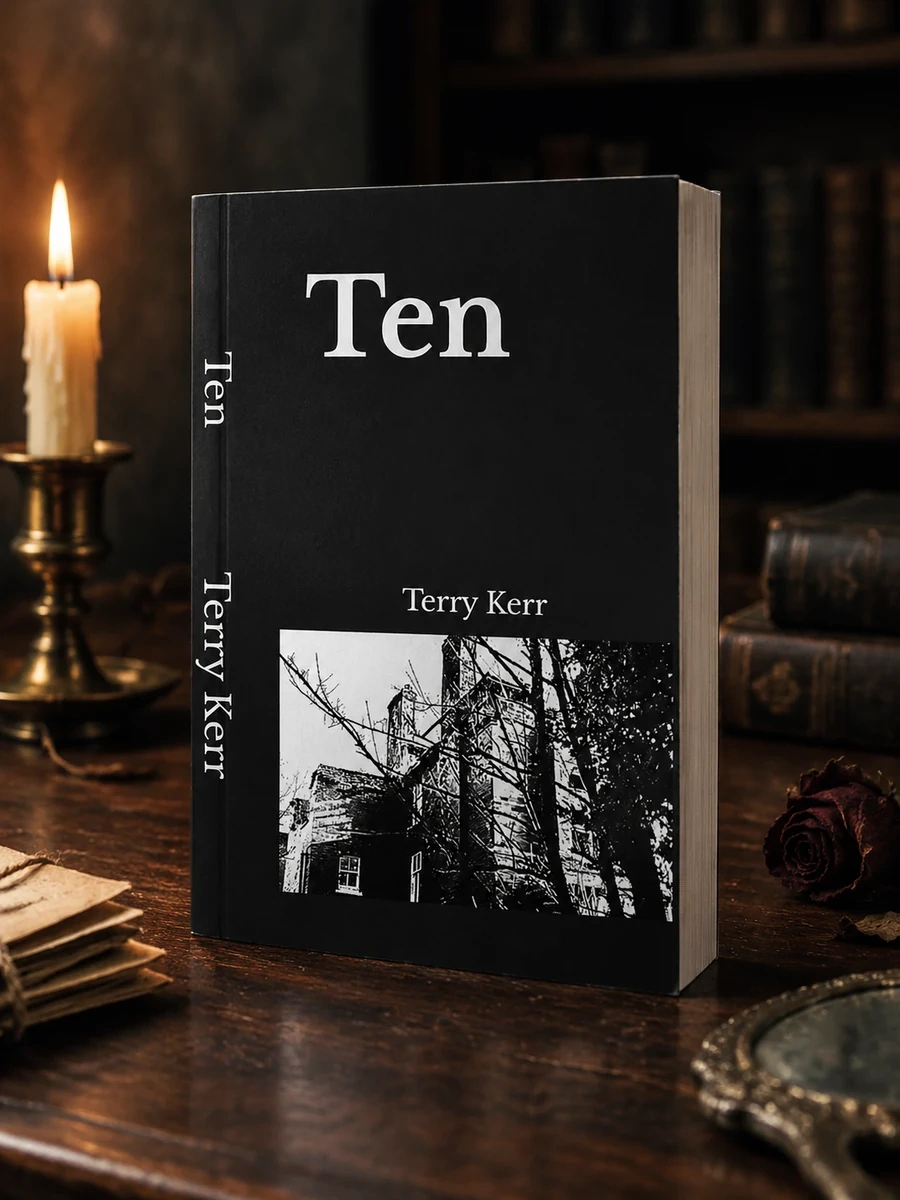
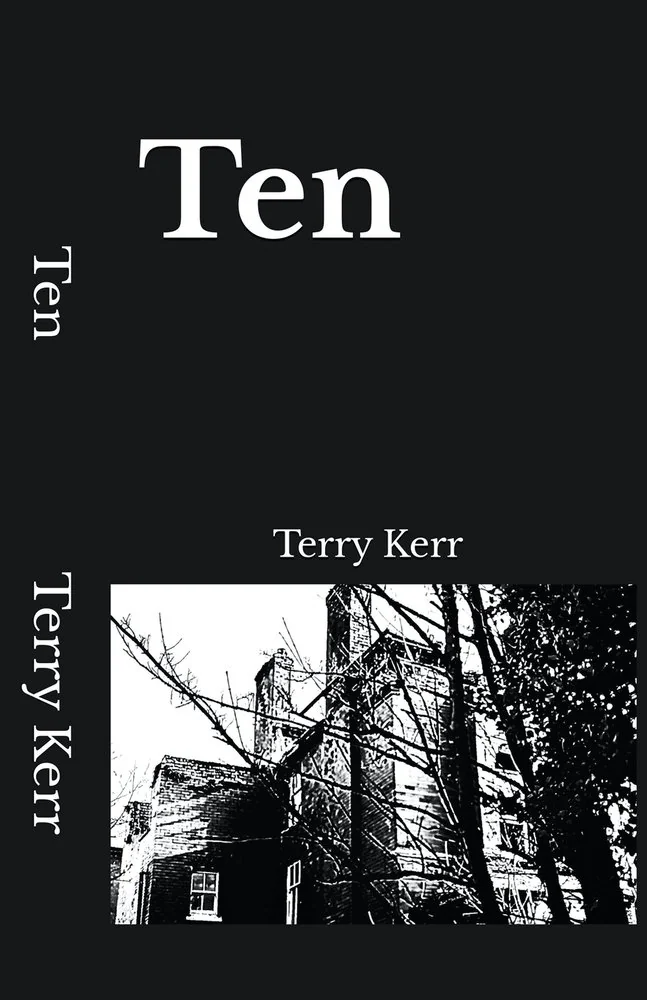
Ten
A couple faces supernatural evil in their new home during the year 2000.
The narrative follows Chris Allsop and Nicola as they move to Muncaster with hopes for a fresh start. Their marriage is already strained, and the town offers no relief. A dead man’s evil acts have corrupted the area, making their house an epicenter of degredation. The story tracks their attempts to survive this environment. Kerr examines the nature of corrupt charisma and the persistence of malevolent forces. The plot does not rely on jump scares but on the slow realization that escape is difficult. The characters must confront the darkness directly rather than flee immediately. This approach highlights the bravery required in such a situation. The setting of spring 2000 provides a temporal anchor for their new beginning. The contrast between the political climate and the local horror adds depth to their struggle. Kerr ensures the reader understands the weight of the evil they face.
The story is set in spring 2000, referencing Tony Blair's New Labour and the phrase Things Can Only Get Better. This political backdrop contrasts with the supernatural horror in Muncaster, highlighting themes of renewal and corruption.


📝 Description: Ten
💎 Our verdict on Ten
📖 Why choose it
Why this book is worth reading
Readers who appreciate slow-burn psychological horror and domestic instability will find this narrative compelling. It offers a study in corrupt charisma and the persistence of malevolent forces without relying on cheap jump scares. Those interested in how evil masks itself through charm and how individuals confront darkness directly rather than fleeing will gain insight from this tale. The book suits those who enjoy tense supernatural fiction that examines marital strain against a backdrop of decay, providing a steady, terrifying progression that highlights the bravery required to endure such corruption.
⭐ Reader reviews
Reader rating
Terry Kerr delivers a paranormal thriller that focuses on the erosion of a marriage amidst supernatural decay. By setting the story in the year 2000, Kerr creates a stark contrast between the hope of renewal and the reality of deep-seated evil. The narrative avoids sensationalism, opting instead for a steady progression that emphasizes the weight of the corruption surrounding the protagonists. This approach works well for readers who prefer intellectual engagement over visceral shocks. It is best suited for those who enjoy exploring themes of degredation and the difficulty of escape in gothic settings, offering a grim but coherent examination of confronting corrupting forces.
📖 Read on the blog
✍️ More books by this author Terry Kerr



You might also like
See more →





Have a question about this item?
Ask about the edition, condition, delivery or anything else — we reply by email or phone, usually within a day.
