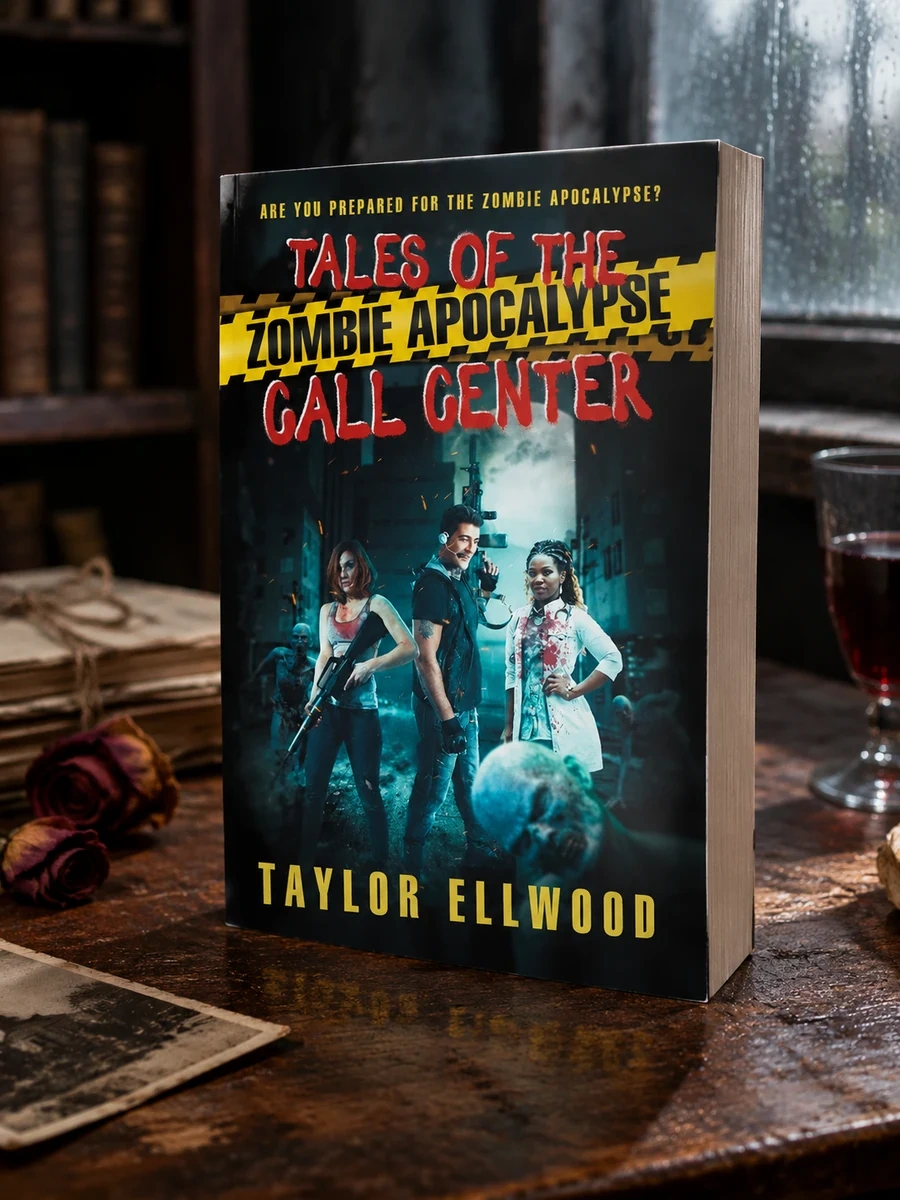
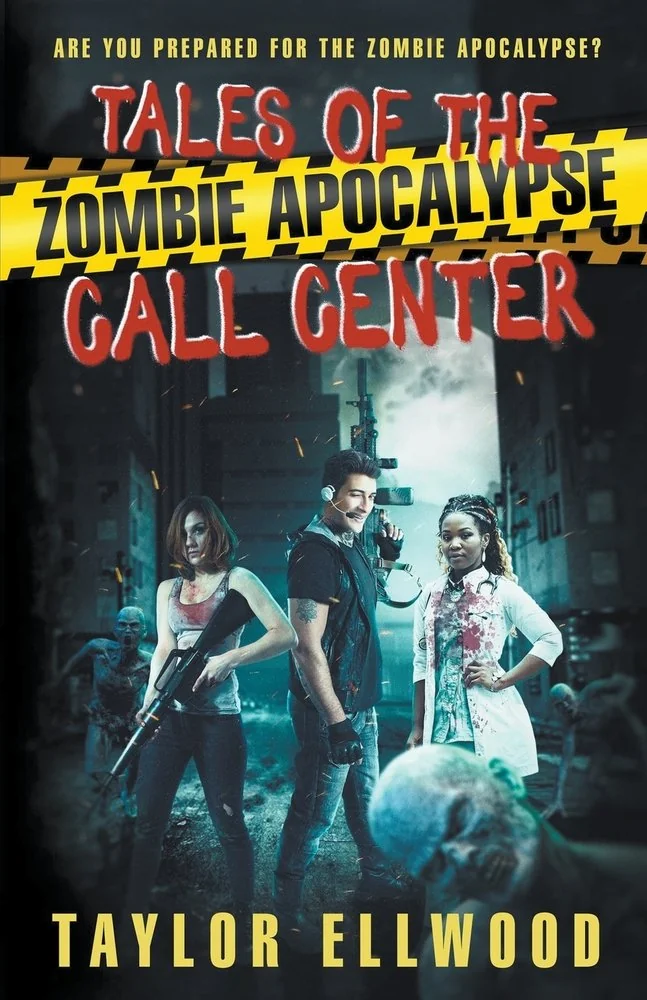
Tales of the Zombie Apocalypse Call Center
A call center staff faces zombie chaos and hostile survivors in this horror anthology.
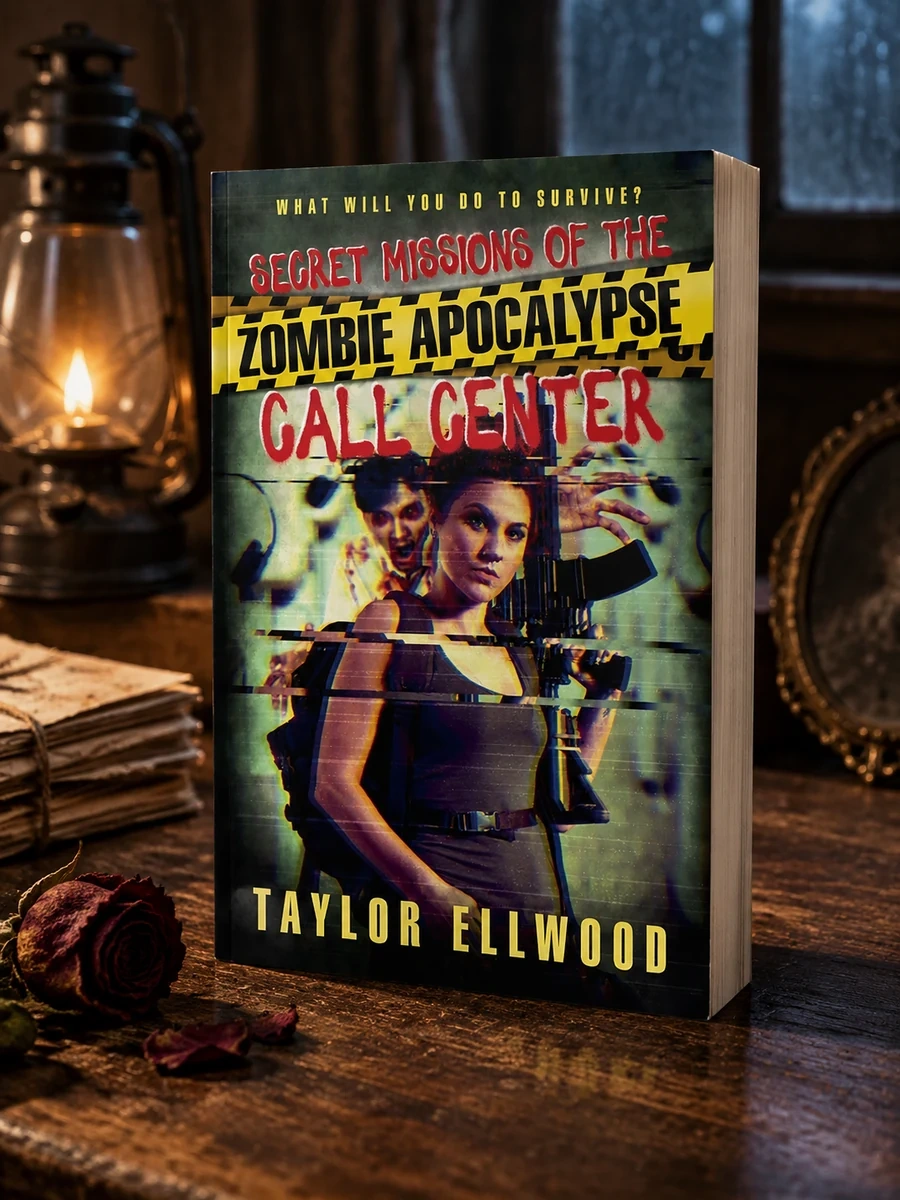
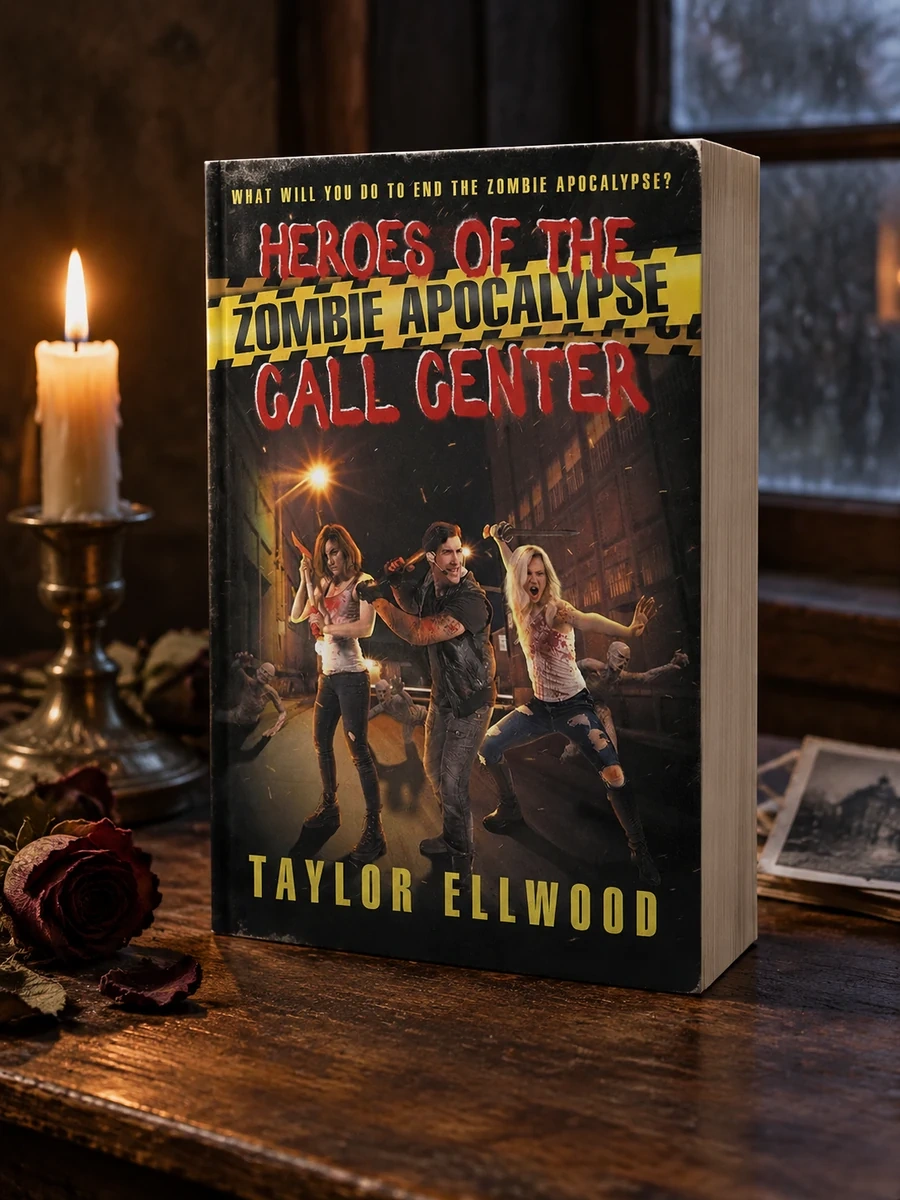
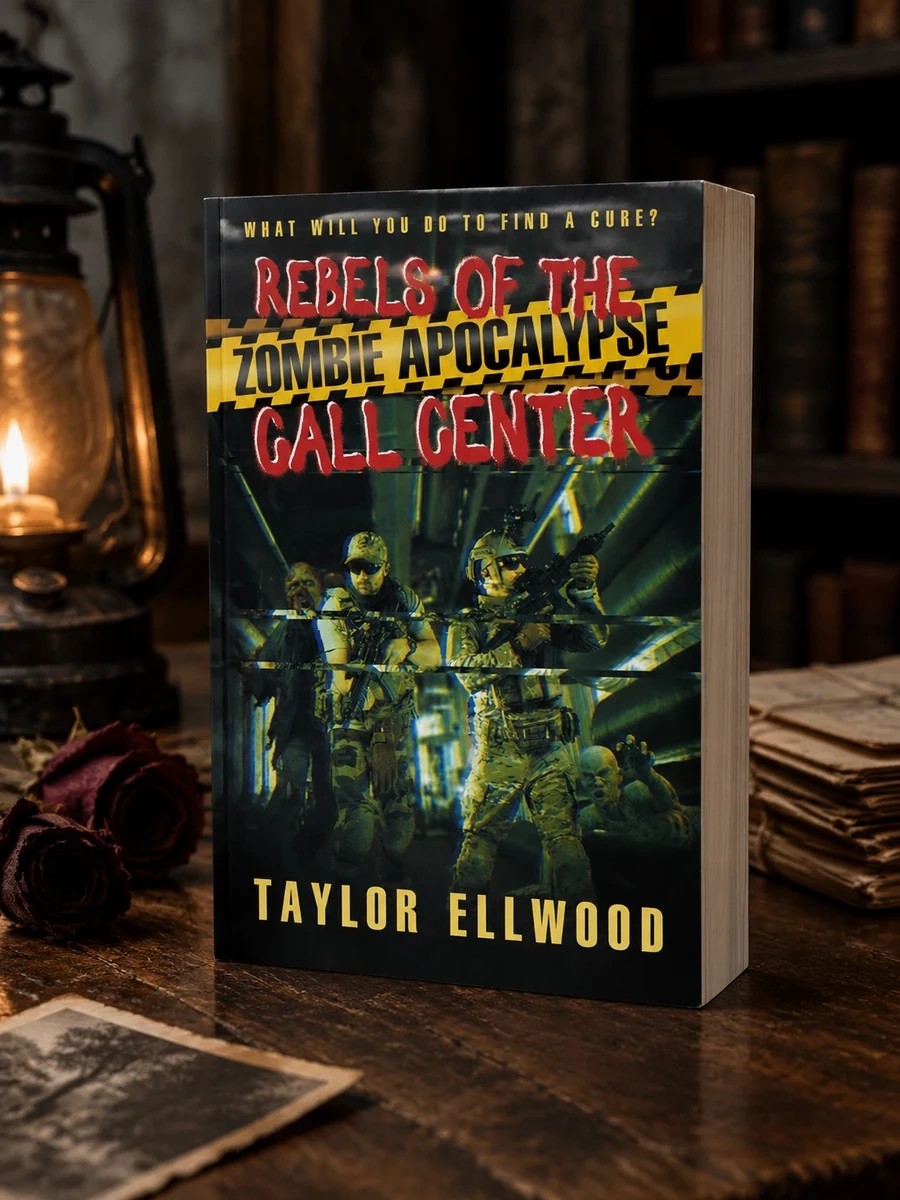
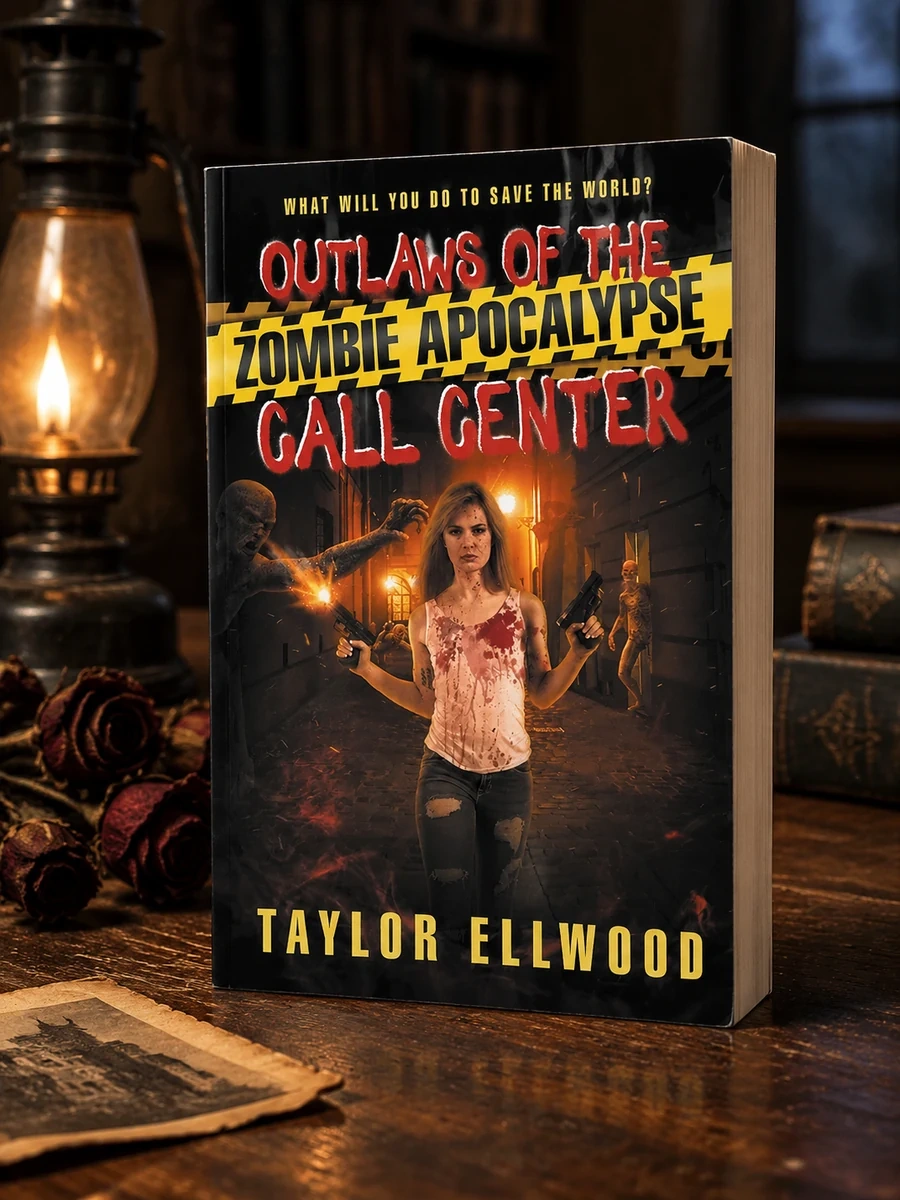
The book gathers tales from a specific workplace during an apocalypse. Employees deal with the immediate threat of zombies while lacking essential supplies. The narrative also introduces survivalists who hunt for guns and food, adding internal conflict to the external danger. Trust becomes a scarce commodity as characters question their allies' intentions. The collection avoids grand heroics, focusing instead on the desperate attempts of unprepared people to stay alive. It captures the confusion and fear of a sudden global collapse through the lens of customer service workers. The tone remains grounded in the immediate physical threats rather than abstract philosophical musings.
Published in 2021 by Taylor Ellwood, this work engages with the enduring American fascination with disaster fiction. It updates the zombie genre by focusing on mundane workplace settings rather than military or government responses to societal collapse.


📝 Description: Tales of the Zombie Apocalypse Call Center
💎 Our verdict on Tales of the Zombie Apocalypse Call Center
📖 Why choose it
Why this book is worth reading
This collection appeals to readers who prefer grounded, psychological horror over action-heavy military narratives. It offers a unique perspective on the zombie apocalypse by focusing on unprepared office workers rather than trained soldiers. Those interested in the breakdown of social order and the cutthroat nature of resource scarcity will find value here. The book provides a tense examination of trust among strangers facing extinction. It is ideal for fans of confined space survival stories who enjoy seeing ordinary individuals struggle against overwhelming odds without specialized equipment or reliable support systems.
⭐ Reader reviews
Reader rating
Ellwood delivers a grounded anthology that captures the confusion and fear of sudden global collapse through customer service workers. The strength lies in its avoidance of abstract musings, focusing instead on immediate physical threats and internal conflict with hostile survivors. This approach highlights the vulnerability of ordinary people lacking gear or weapons. The structure, relying on multiple perspectives, effectively builds psychological tension within confined spaces. It suits readers seeking close-quarters survival scenarios and those interested in how trust becomes a scarce commodity during societal breakdown. While it may not satisfy fans of extensive post-apocalyptic world-building, it offers a compelling look at human behavior under extreme pressure.