
Sweetgum Ridge
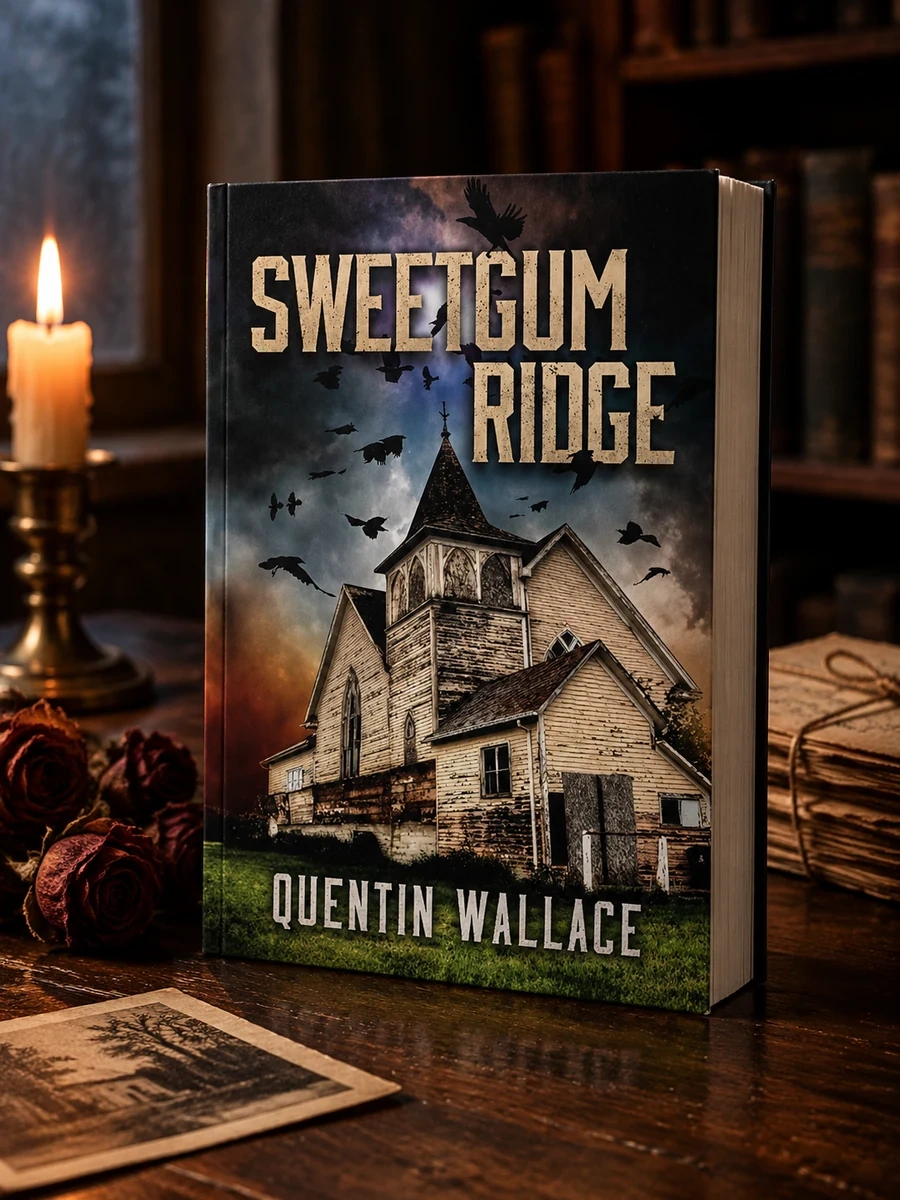
A novelist inherits a haunted home and battles demonic forces left by his uncle.
This novel centers on Paul Hoover, a writer who moves to Sweetgum Ridge after inheriting property from his deceased Uncle Saul. The rustic setting initially promises solitude for creative work. Instead, it becomes a battleground against dark secrets revealed by the late relative. The text describes these secrets as being linked to demonic forces that destroyed Uncle Saul. Paul faces a direct conflict with these entities to save his family. The story explores the theme of inherited trauma and supernatural corruption. It does not offer a gentle gothic atmosphere but rather an aggressive confrontation with hellish origins. The narrative structure follows Paul's realization of the danger and his subsequent fight for survival. Readers interested in the mechanics of demonic influence on human lives will find this relevant.
This work sits within the tradition of American supernatural fiction focusing on rural isolation and familial curses. It draws on gothic tropes where the countryside hides dark histories. The narrative reflects a modern take on demonic possession stories, emphasizing the threat to family units in isolated settings.


📝 Description: Sweetgum Ridge
💎 Our verdict on Sweetgum Ridge
📖 Why choose it
Why this book is worth reading
Readers who crave intense, aggressive supernatural fiction will find this narrative compelling. It appeals specifically to those interested in the mechanics of demonic influence and how hellish origins intrude upon domestic life. The book is ideal for audiences fascinated by inherited trauma and the burden of ancestral guilt. Those who enjoy stories where rural solitude turns into a battleground against ancient evils will appreciate the tension. It offers a stark contrast to gentle gothic atmospheres, providing a direct confrontation with evil rather than subtle haunting.
⭐ Reader reviews
Reader rating
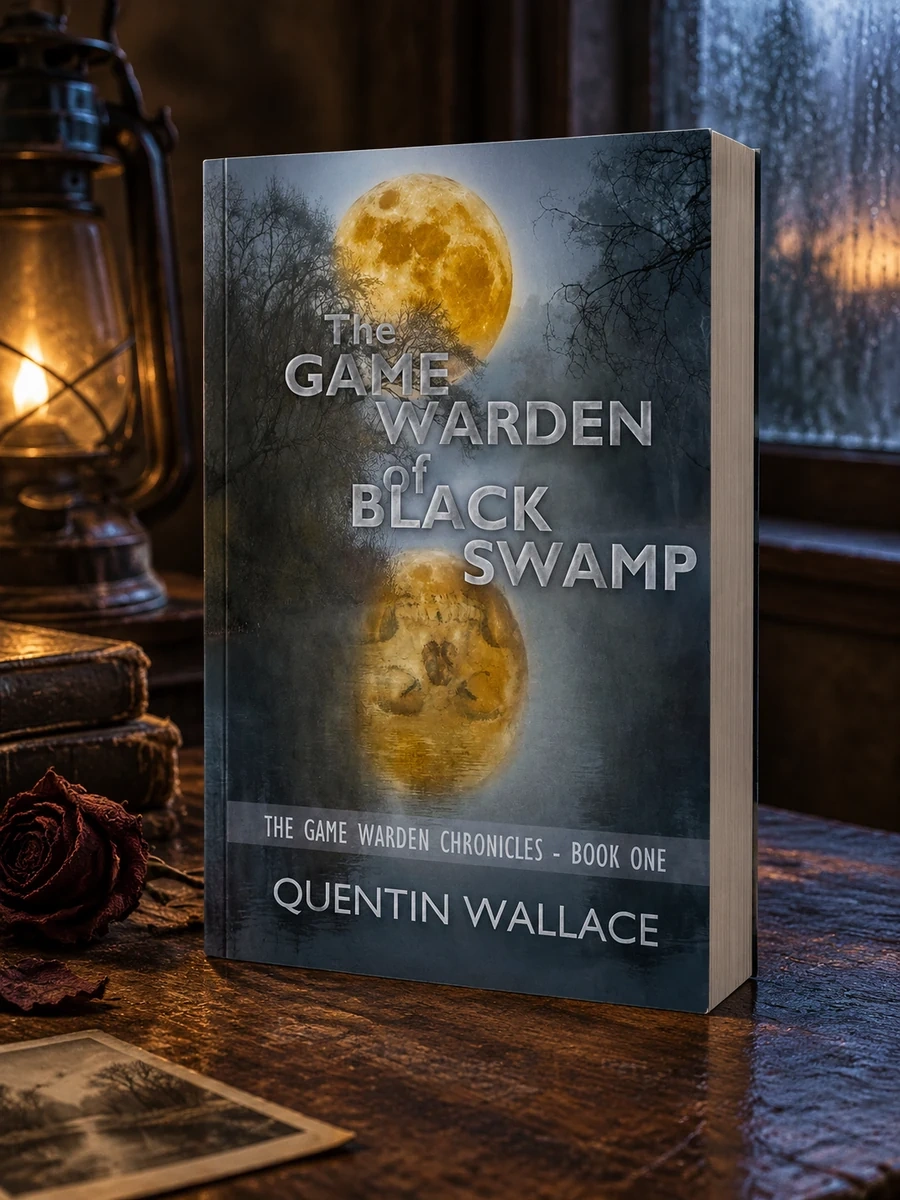
Wallace delivers a tale of extreme horror that prioritizes aggressive confrontation over atmospheric subtlety. The narrative effectively explores the intrusion of demonic forces into a domestic setting, creating a palpable sense of dread through the lens of inherited guilt. Paul Hoover’s struggle serves as a vehicle to examine how ancestral evil corrupts family legacies. While it lacks the nuanced gothic tradition, its strength lies in its direct engagement with hellish power and survival. This approach suits readers seeking visceral supernatural conflict rather than slow-burn mystery. The focus on protecting loved ones from supernatural threats adds emotional weight to the cosmic horror elements.