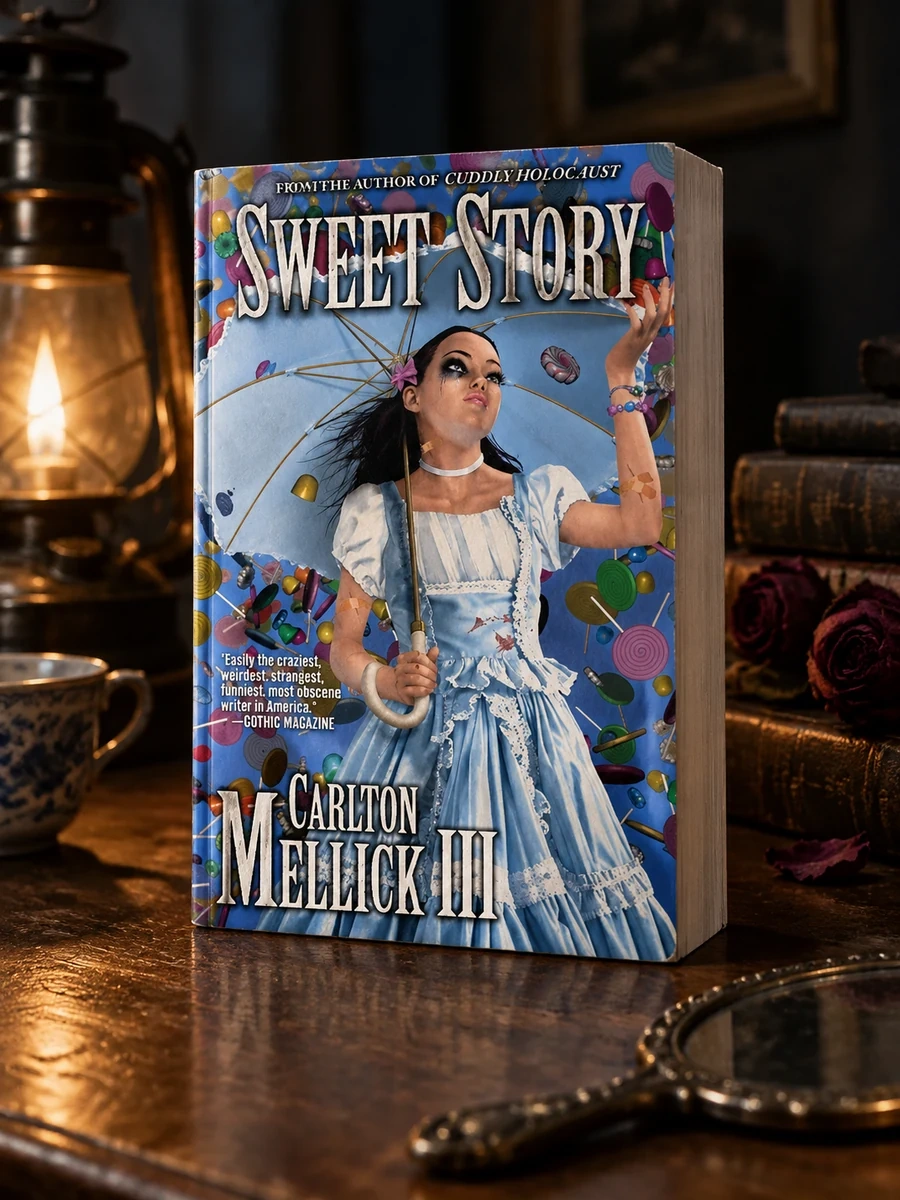

Sweet Story
A child's innocent wish for candy rain causes global extinction in this dark tale.
This book explores the lethal intersection of childhood fantasy and supernatural reality. Carlton III uses the character of Sally to critique the naivety often found in fairy tales. The story does not offer moral lessons but rather presents a stark cause-and-effect scenario where magic operates without mercy. The narrative style is direct, avoiding complex metaphors in favor of clear, chilling events. It appeals to fans of gothic fiction who appreciate psychological horror rooted in innocence corrupted by power.
The work draws on Edwardian era aesthetics and traditional folklore involving leprechauns and fairies. It subverts these classic elements to create a modern horror narrative. The setting remains ambiguous but focuses on the internal world of a child who views magical thinking as literal truth, reflecting a timeless fear of uncontrolled imagination.


📝 Description: Sweet Story
💎 Our verdict on Sweet Story
📖 Why choose it
Why this book is worth reading
Readers who enjoy twisted fairy tales or stories where magical realism leads to horror will find this work compelling. It appeals specifically to fans of gothic fiction who appreciate psychological horror rooted in innocence corrupted by power. The narrative offers a unique exploration of the dangerous gap between good intentions and chaotic outcomes. Those seeking lighthearted fantasy or traditional happy endings should look elsewhere, as the tone remains consistently bleak. The book provides a chilling examination of how unchecked childhood fantasy can intersect with lethal supernatural reality, offering a stark warning about the consequences of naive power.
⭐ Reader reviews
Reader rating
Mellick Carlton III presents a dark reimagining of childhood innocence through Sally, an eccentric girl obsessed with rainbows and folklore. The narrative style is direct, avoiding complex metaphors in favor of clear, chilling events that highlight the lethal intersection of fantasy and reality. By twisting leprechauns into instruments of doom, the author critiques the naivety found in traditional tales. The story does not offer moral lessons but rather presents a stark scenario where magic operates without mercy. It is best suited for those who appreciate psychological horror rooted in corrupted innocence. Readers seeking complex plots may find the simplicity jarring, but it effectively delivers its bleak message about irreversible consequences.
📖 Read on the blog
✍️ More books by this author Carlton, III Mellick
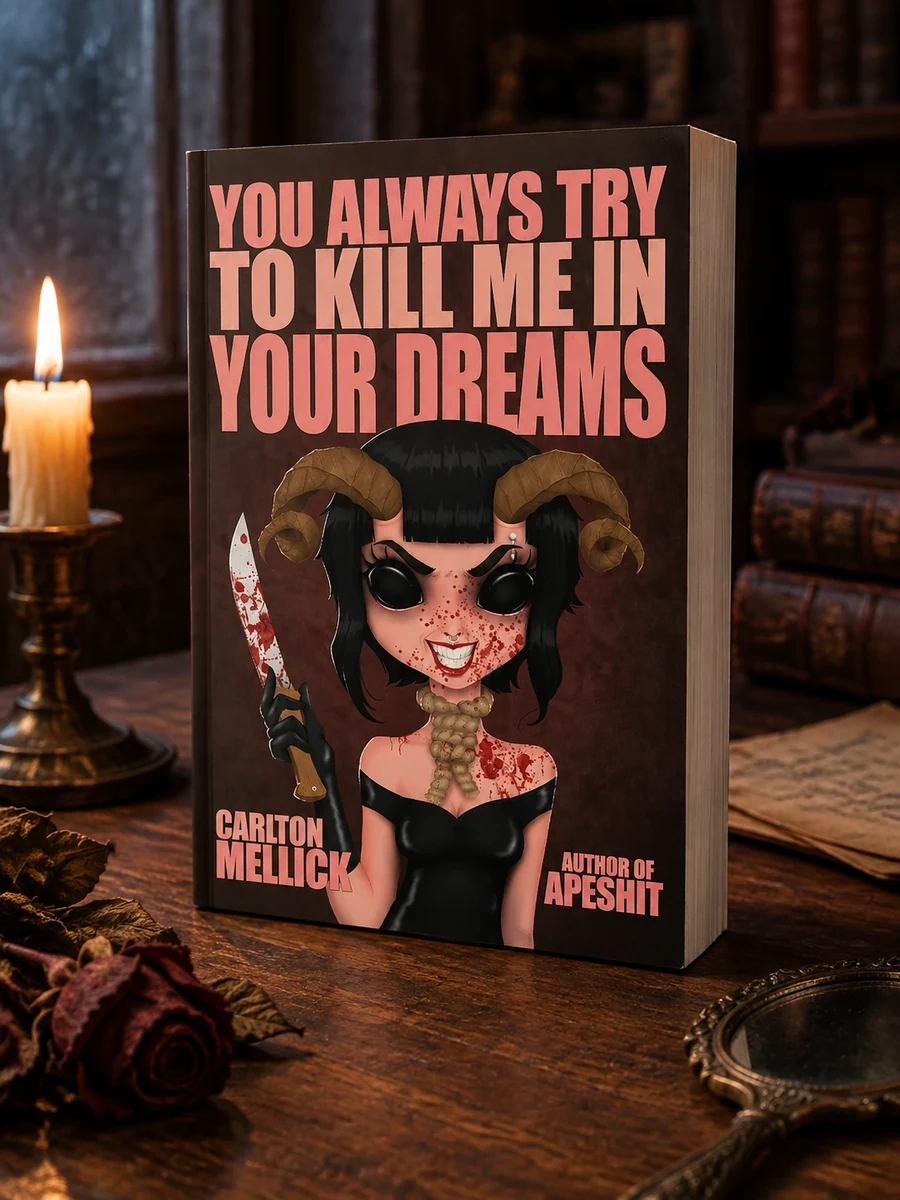


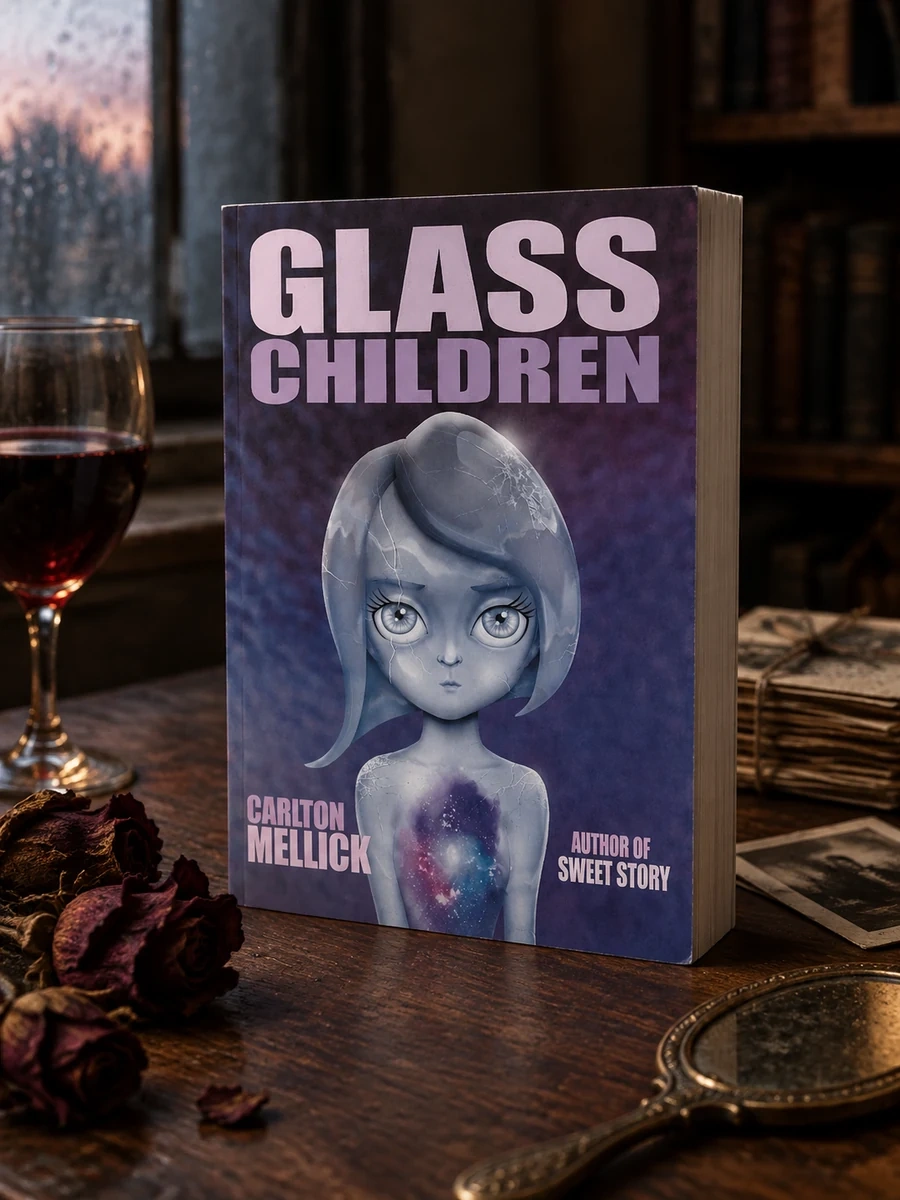
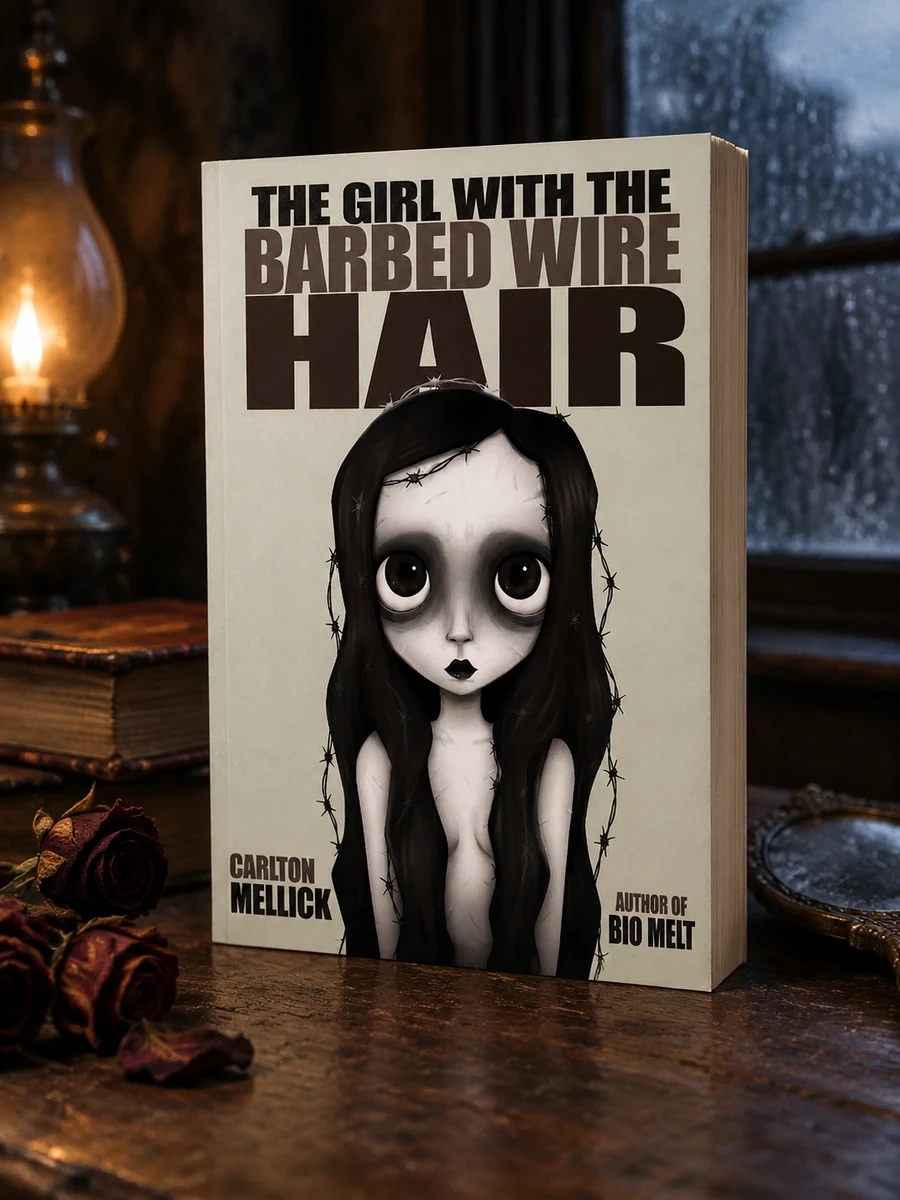
🏛 Books from this publisher Eraserhead Press

You might also like
See more →



Have a question about this item?
Ask about the edition, condition, delivery or anything else — we reply by email or phone, usually within a day.
