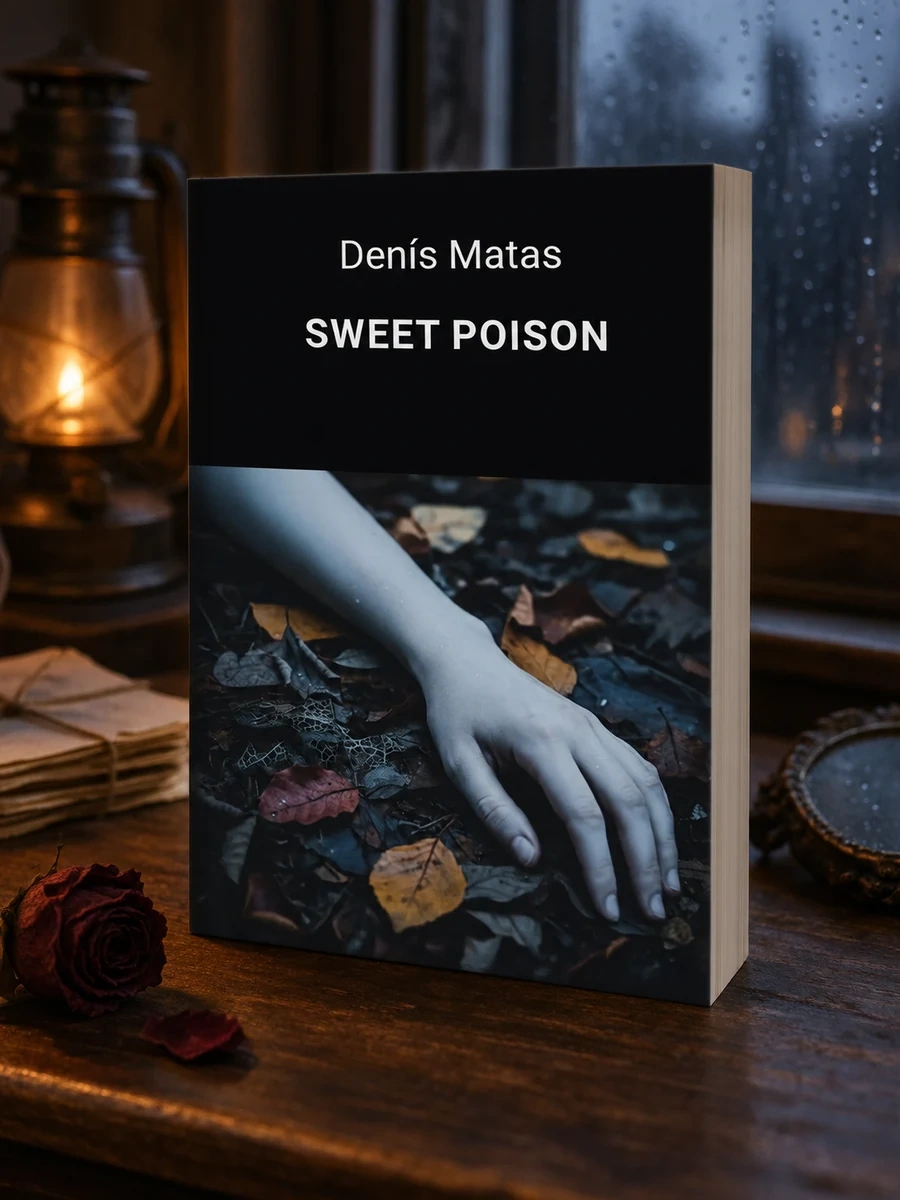
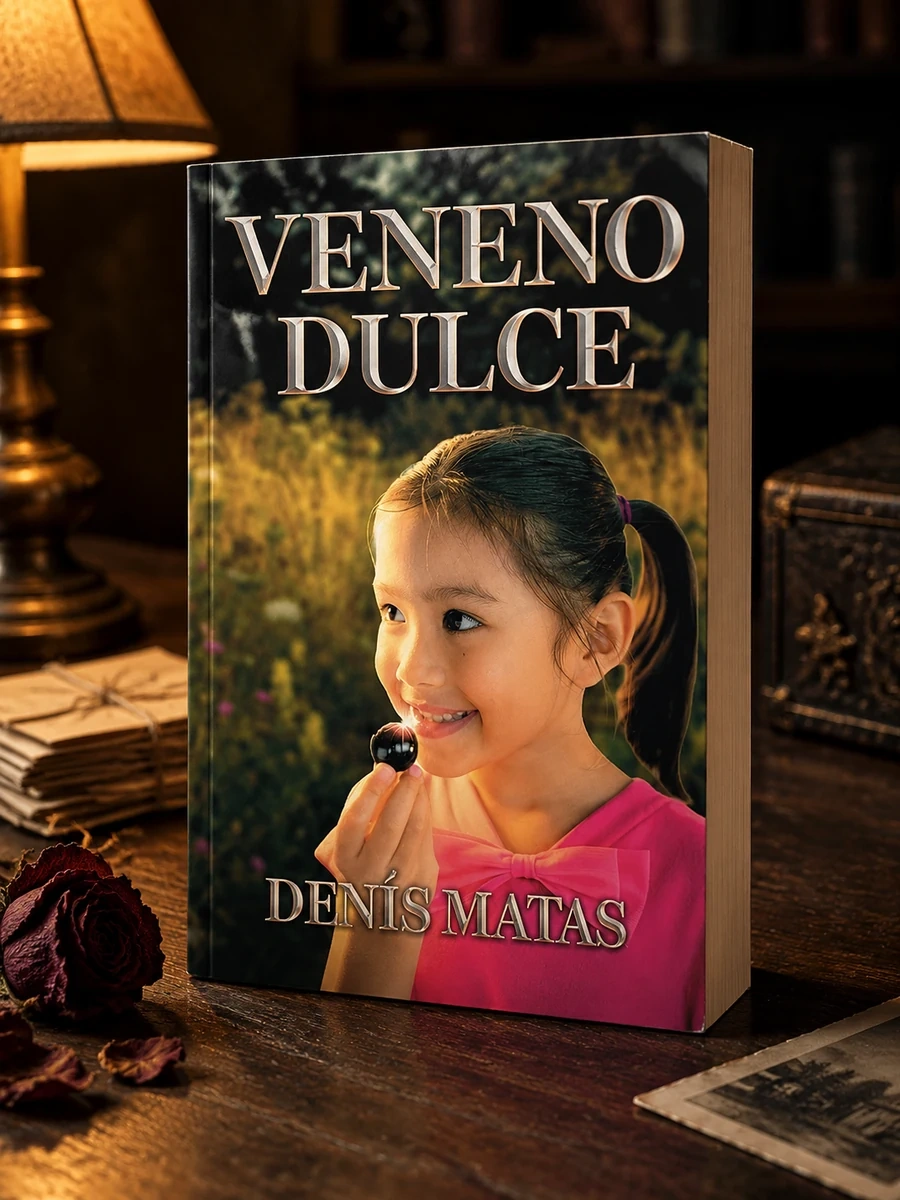
Sweet Poison
A mother uncovers a generational curse linked to poisonous berries at a restaurant garden.
Laura’s journey begins with the sudden death of her daughter Emma at El Molino. The autopsy reveals Atropa belladonna, a poison cultivated in that exact location for centuries. As Laura investigates, she learns that this thicket has killed before, targeting children across different eras. The narrative focuses on the intersection of botanical danger and maternal loss. It does not offer easy answers or closure. Instead, it details the slow realization that some poisons affect the soul as well as the body. The story remains grounded in the specific events at the restaurant and the historical weight of the land.
The narrative is set in a US context, focusing on a specific restaurant garden where poison has grown for centuries. It draws on the tradition of gothic fiction and supernatural tales involving buried secrets and historical curses affecting modern families.


📝 Description: Sweet Poison
💎 Our verdict on Sweet Poison
📖 Why choose it
Why this book is worth reading
Readers who appreciate the slow-burn tension of gothic fiction and the emotional weight of familial grief will find this narrative deeply resonant. It offers a poignant exploration of maternal loss, examining how the death of a child can fundamentally alter one's existence. The story appeals to those interested in the intersection of botanical danger and supernatural horror, providing a grounded yet chilling look at historical curses. Those who enjoy stories that focus on specific tragedies rather than broad folklore will appreciate the detailed attention to the land's dark history. It is ideal for fans of psychological depth over fast-paced action, offering a contemplative experience about the lingering effects of poison on both body and soul.
⭐ Reader reviews
Reader rating
Denis Matas delivers a chilling meditation on loss and botanical horror in 'Sweet Poison.' The narrative effectively grounds its supernatural elements in the specific tragedy at El Molino, creating an atmosphere of dread through historical weight rather than jump scares. The focus on Laura’s investigation provides a compelling framework for exploring generational trauma. While it lacks easy answers or closure, this ambiguity suits the genre well, emphasizing the enduring nature of grief. The book excels in its atmospheric description and emotional resonance, making it a strong choice for readers who prefer literary horror over visceral gore. It successfully merges the dread of gothic fiction with the intimacy of psychological drama.
📖 Read on the blog
📖 From the series “Denis Matas Collection”
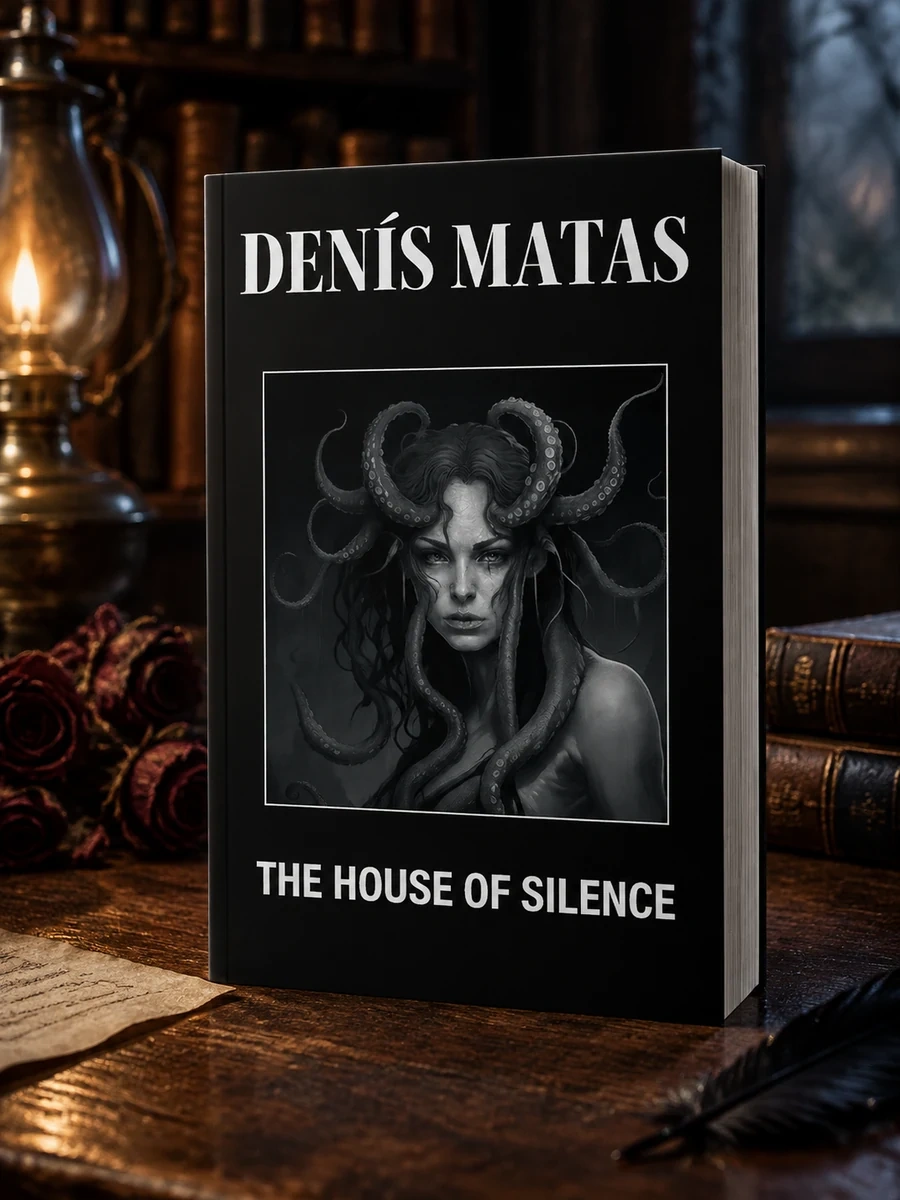



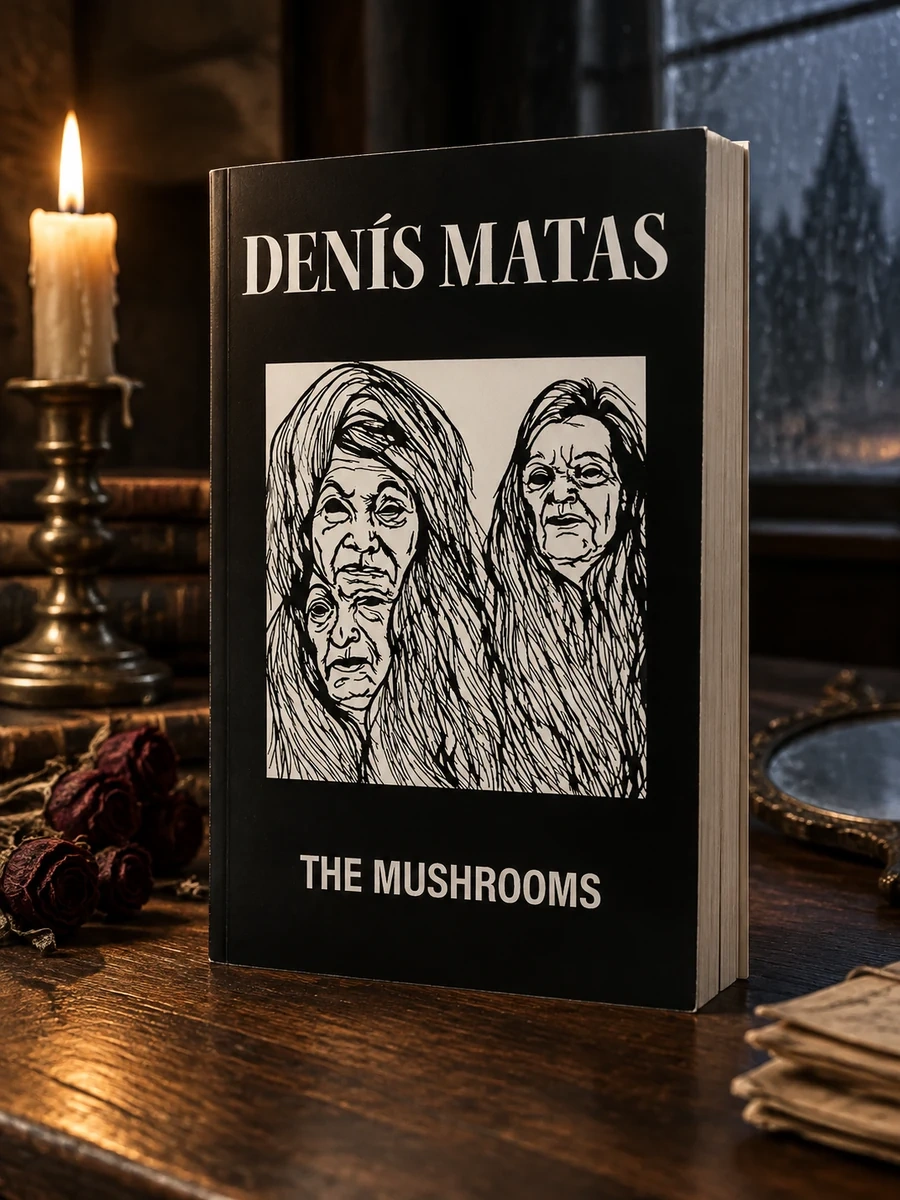



✍️ More books by this author Denis Matas


🏛 Books from this publisher Independently Published






You might also like
See more →




Have a question about this item?
Ask about the edition, condition, delivery or anything else — we reply by email or phone, usually within a day.
