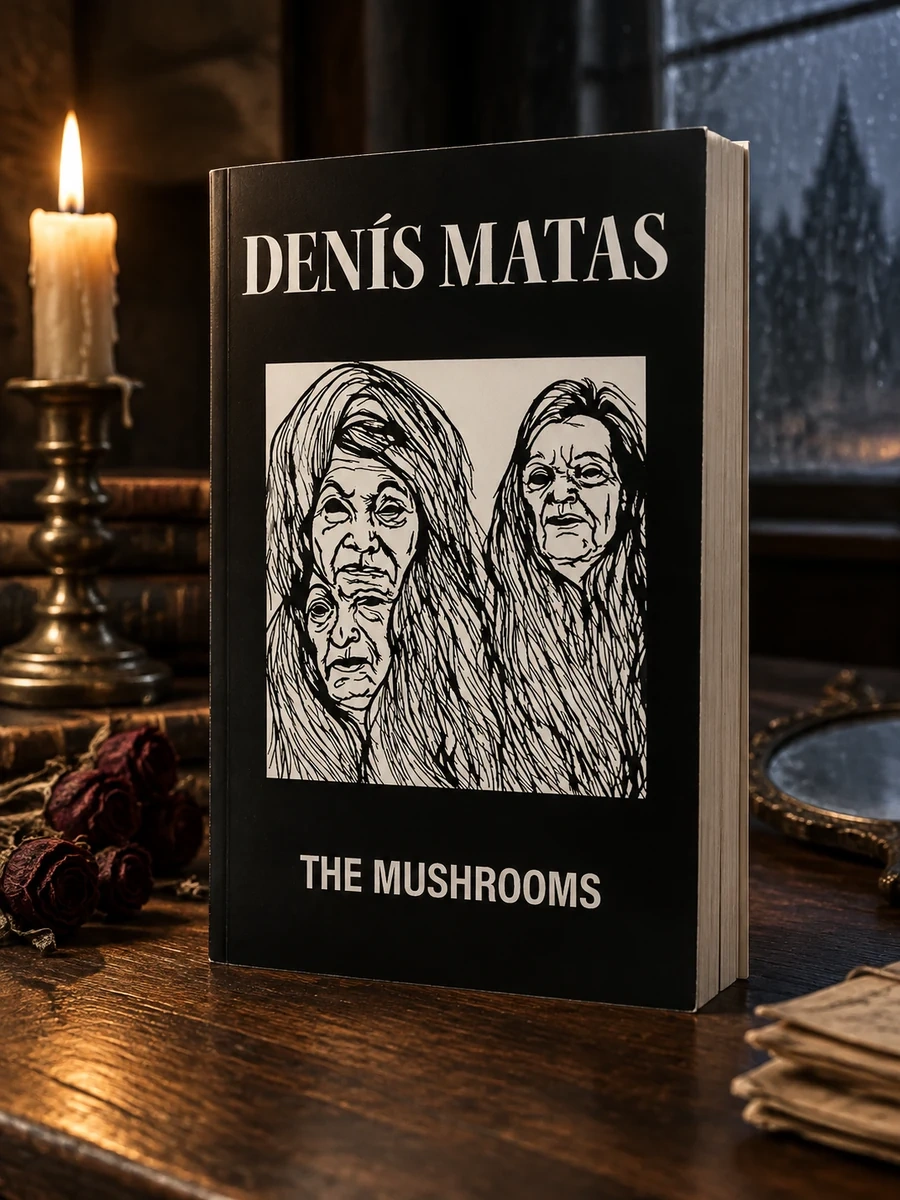
Doux Poison
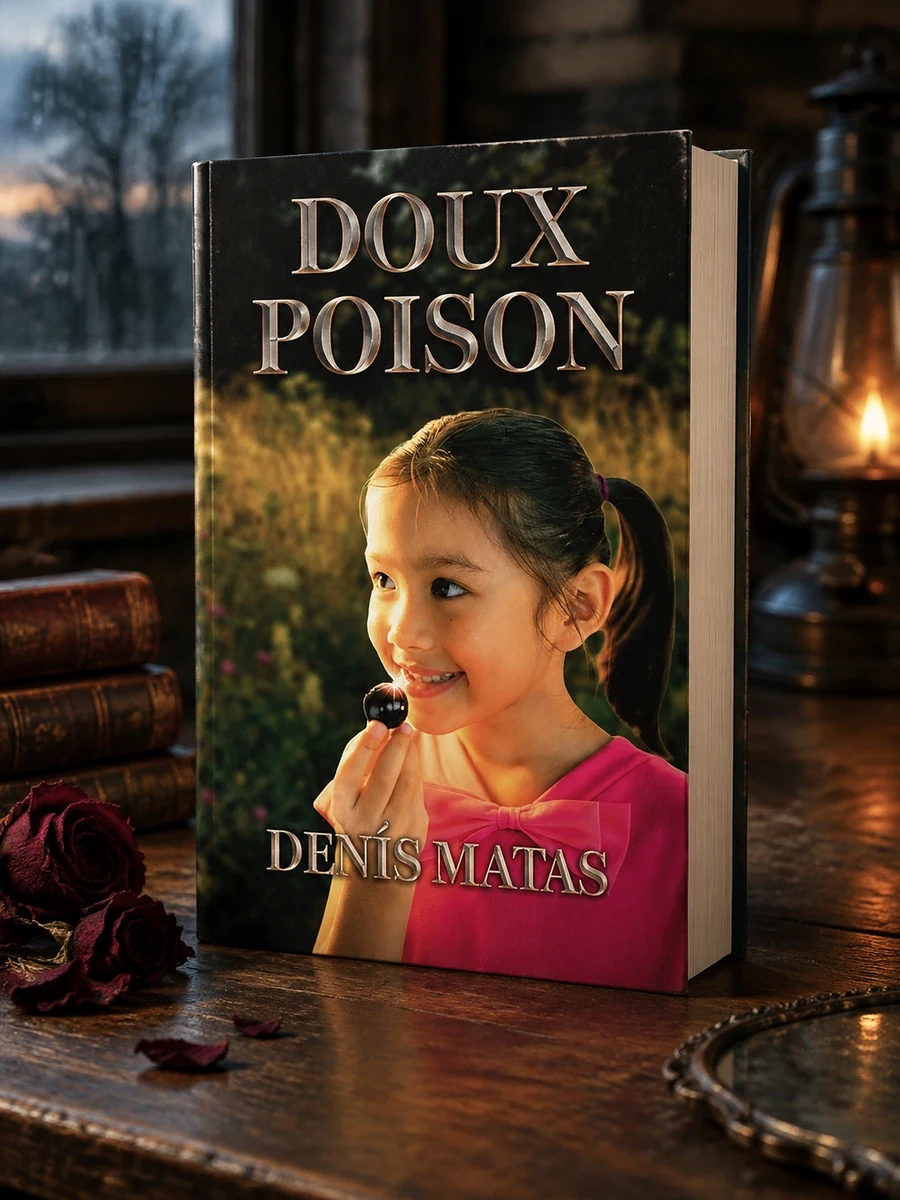
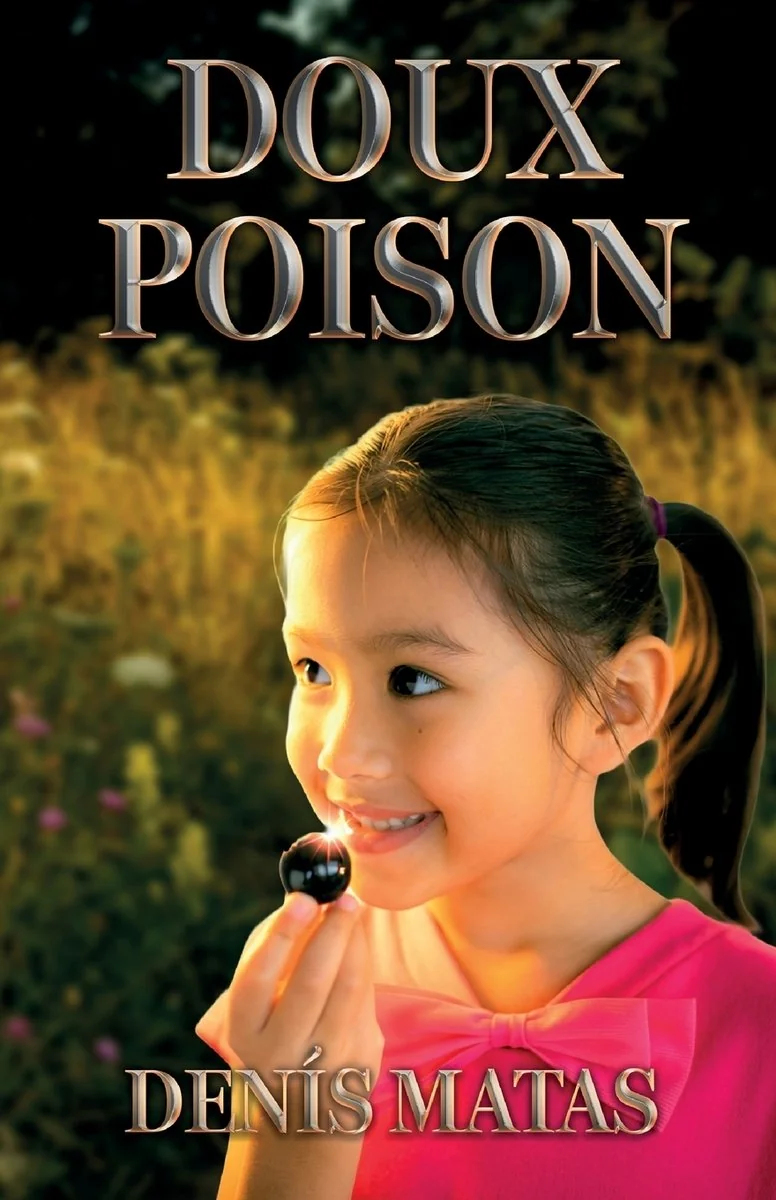
A mother investigates her daughter's death by black nightshade.
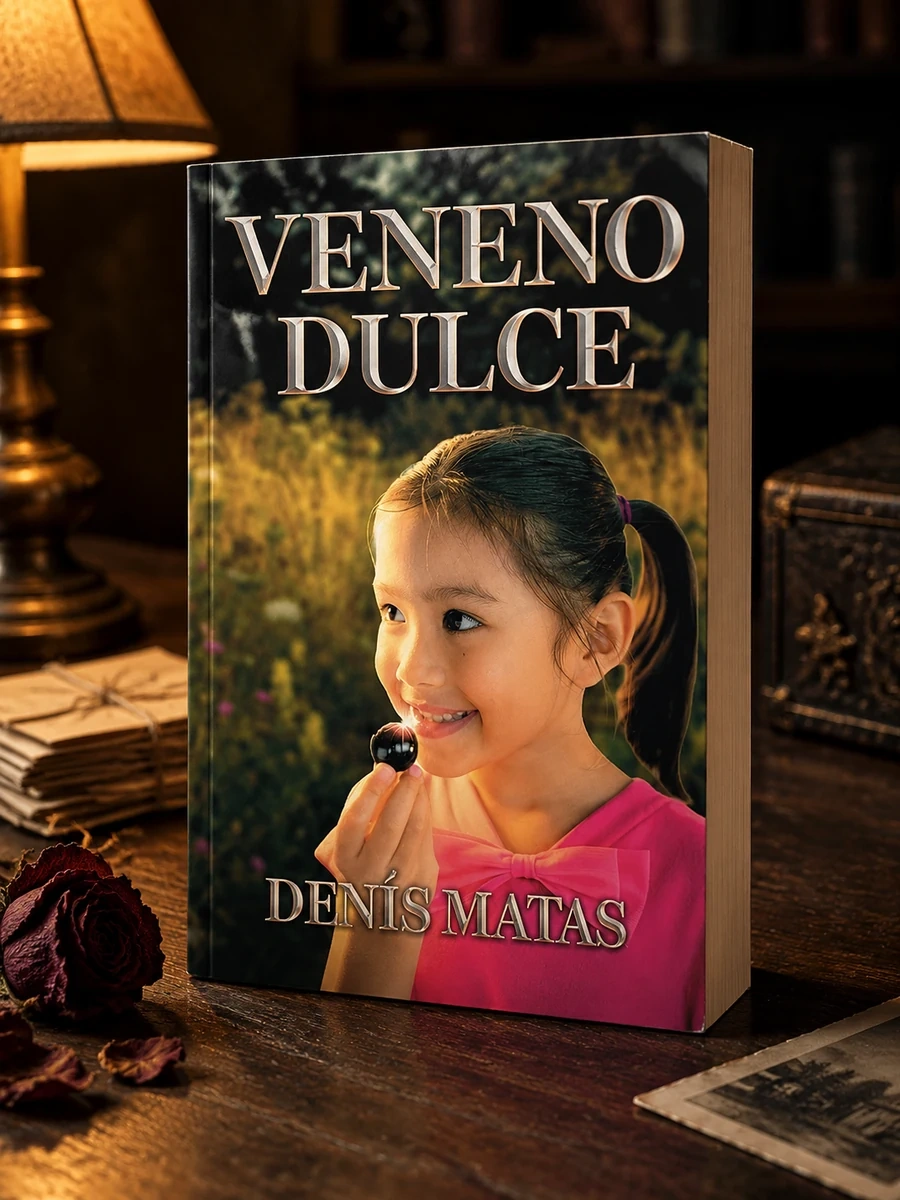
Laura’s journey begins with the shock of her daughter’s sudden death at age seven. She learns that Emma was not the first victim in the garden of El Molino. The narrative traces the lineage of deaths caused by Atropa belladonna, linking past victims to the present tragedy. Matas focuses on the quiet horror of realizing that a beautiful place holds a deadly history. The story does not offer easy answers or closure. Instead, it lingers on the question of what part of oneself dies when a child is lost. The text emphasizes the permanence of this loss and the inescapable nature of the poison’s legacy.
The story is set in a garden at El Molino restaurant, where black berries have killed people for centuries. It draws on European gothic traditions of poison and ancestral curses, focusing on the specific location's history rather than broad cultural movements.


📝 Description: Doux Poison
💎 Our verdict on Doux Poison
📖 Why choose it
Why this book is worth reading
Readers seeking a contemplative and atmospheric horror experience will find this narrative deeply resonant. It appeals to those who appreciate the genre's focus on psychological aftermath over action, offering a poignant examination of maternal loss. The book is ideal for individuals interested in gothic traditions where setting acts as a vessel for historical trauma. Those who enjoy stories about the permanence of grief and the intersection of beauty with danger will find value in its exploration of inherited tragedy. It provides a space to reflect on how past sins echo through generations, making it suitable for readers who prefer slow-burn emotional depth and literary horror over fast-paced thrills.
⭐ Reader reviews
Reader rating
Matas crafts a haunting meditation on loss, utilizing the physical reality of belladonna to ground abstract grief. The narrative succeeds in linking personal tragedy to historical continuity, creating a sense of inescapable doom that lingers long after reading. By focusing on the quiet horror of a beautiful garden holding deadly secrets, the author avoids cliché supernatural action for something more grounded and psychologically complex. This approach suits readers who enjoy gothic family sagas and stories about inherited tragedy. The prose effectively contrasts innocence with fatal consequences, making it a compelling choice for those interested in the destruction of spirit through grief rather than body through violence.
📖 Read on the blog
✍️ More books by this author Denis Matas


🏛 Books from this publisher Independently Published






You might also like
See more →
Have a question about this item?
Ask about the edition, condition, delivery or anything else — we reply by email or phone, usually within a day.
