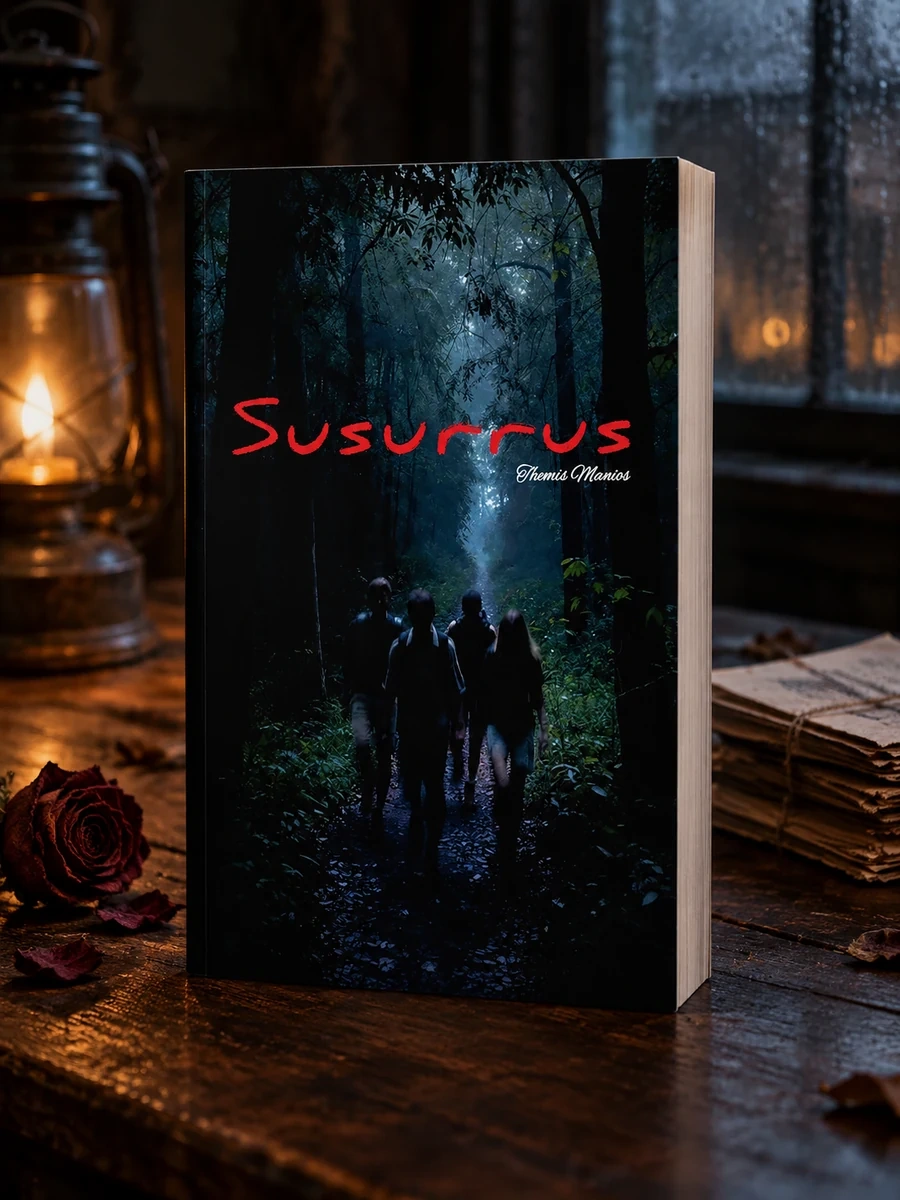
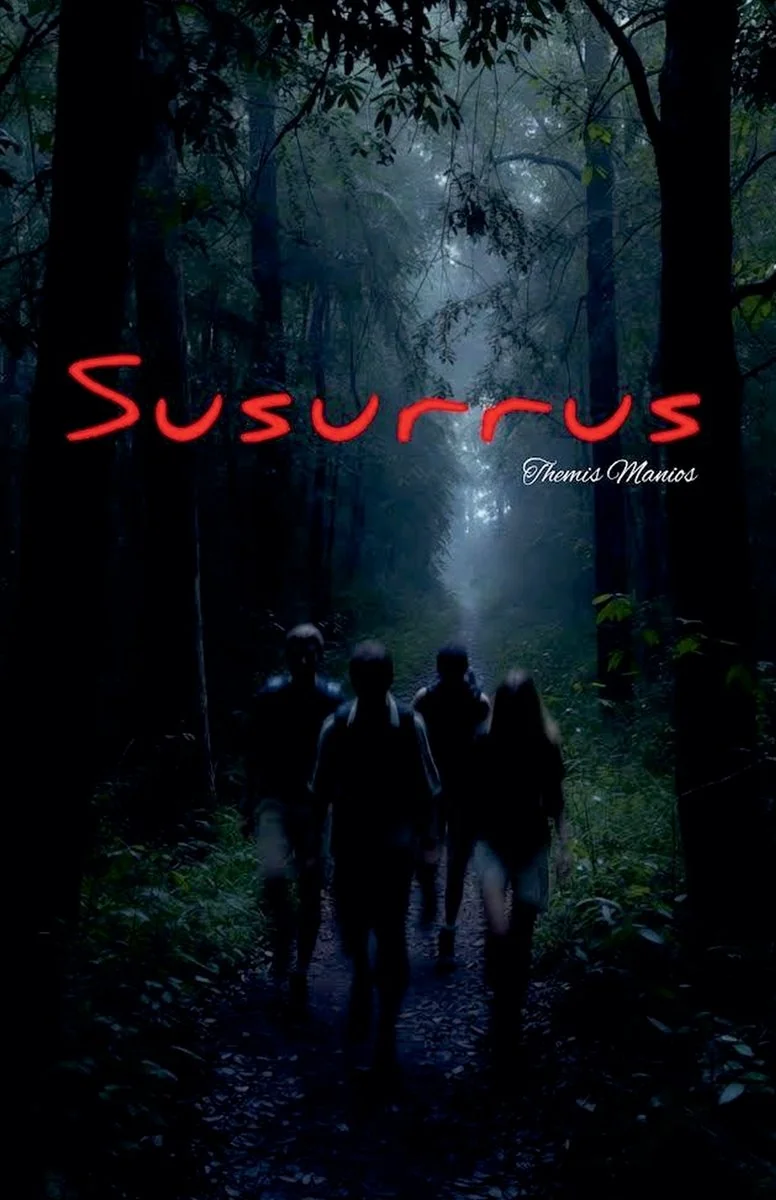
Susurrus
A group of friends faces malevolent silence in a Greek mountain village.
Manios explores the fragility of human connection when stripped of technology and safety. The four protagonists move from confident hikers to desperate survivors trapped by their own poor choices. The ancient forest acts as a silent judge, punishing their intrusion. The narrative focuses on the psychological impact of isolation rather than physical threats. This creates a claustrophobic atmosphere even in open spaces. The story does not offer easy answers or rescue. It leaves the reader with the lingering feeling that the wilderness remembers every trespass.
The book is set in Arakynthos, a remote village in the mountains of Greece. It draws on European gothic traditions of isolation and supernatural dread. The setting emphasizes the unforgiving nature of the Greek wilderness. This context grounds the horror in a specific geographic and cultural reality.


📝 Description: Susurrus
💎 Our verdict on Susurrus
📖 Why choose it
Why this book is worth reading
Readers seeking atmospheric horror and psychological strain will find Susurrus compelling. It offers a claustrophobic experience despite its open settings, focusing on the fragility of human connection when technology fails. Those who appreciate slow-building unease over gore or fast-paced action will enjoy this exploration of isolation. The narrative provides a specific cultural backdrop through its Greek mountain setting, appealing to fans of gothic dread and tales where the wilderness remembers every trespass. It is ideal for those who prefer tension and psychological breakdown over clear resolutions or easy rescue.
⭐ Reader reviews
Reader rating
Manios crafts a chilling meditation on isolation, using silence as a primary antagonist to dismantle the protagonists' confidence. The book excels in creating a pervasive sense of dread through the psychological impact of being trapped by poor choices. It suits readers who enjoy atmospheric horror and environmental terror, particularly those familiar with gothic traditions where landscapes act as silent judges. While it lacks fast-paced action or clear answers, its strength lies in the slow deterioration of the characters' sanity. The narrative relies on tension rather than physical threats, offering a lingering unease that defines the reading experience for those willing to endure its claustrophobic atmosphere.
You might also like
See more →







Have a question about this item?
Ask about the edition, condition, delivery or anything else — we reply by email or phone, usually within a day.
