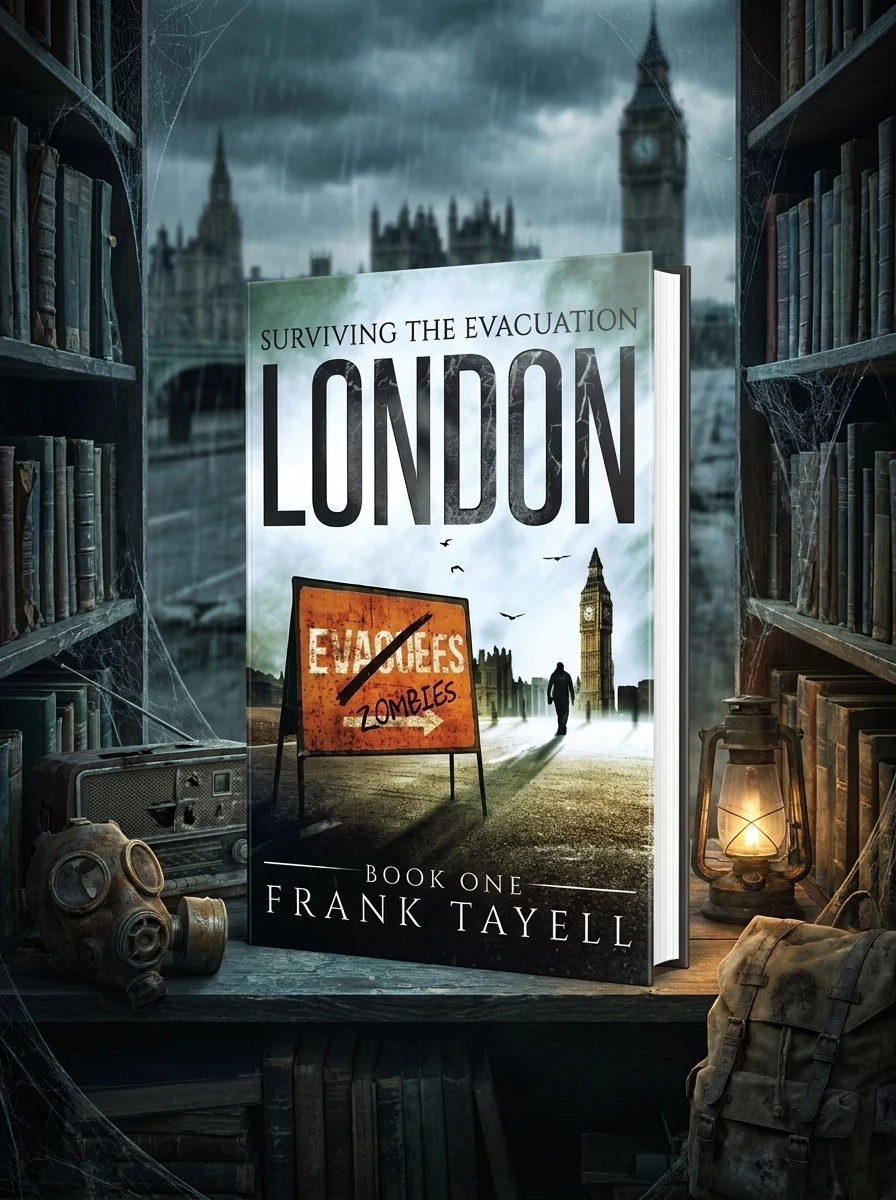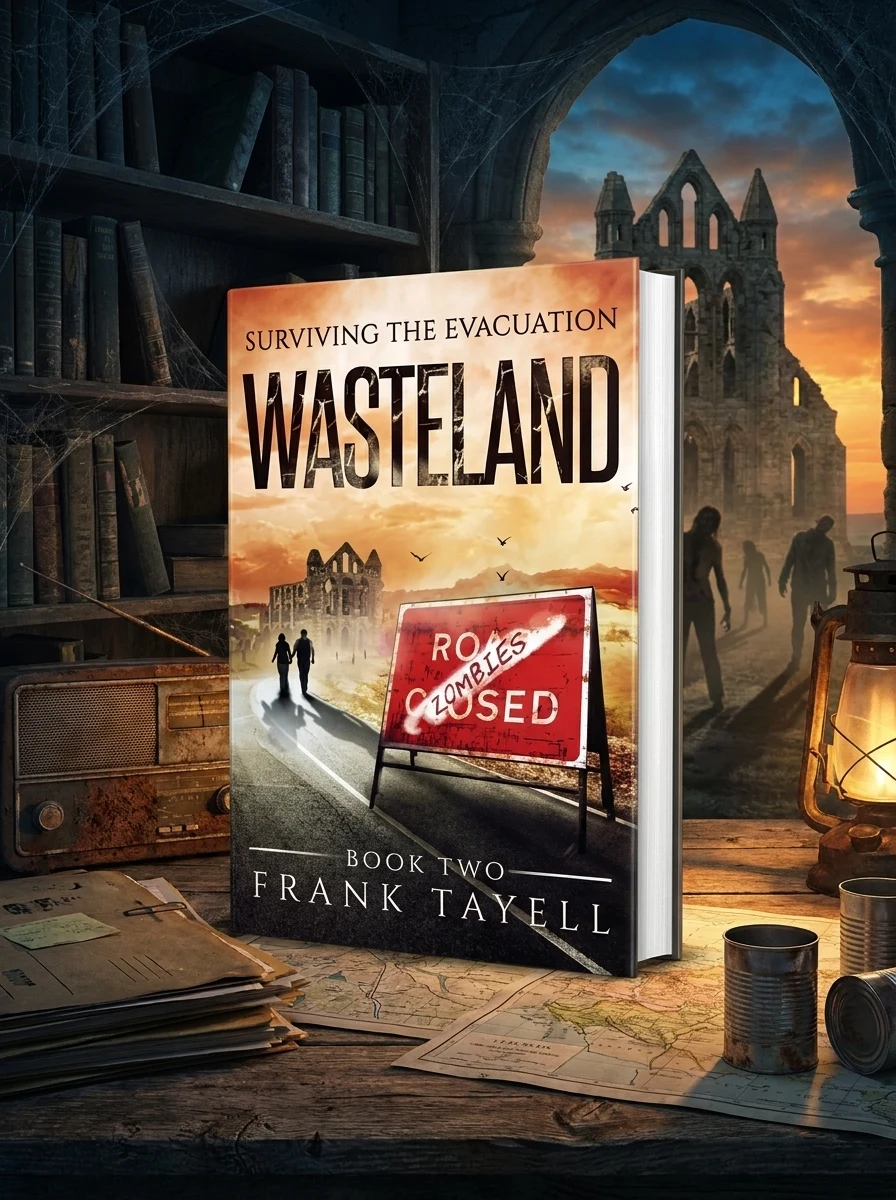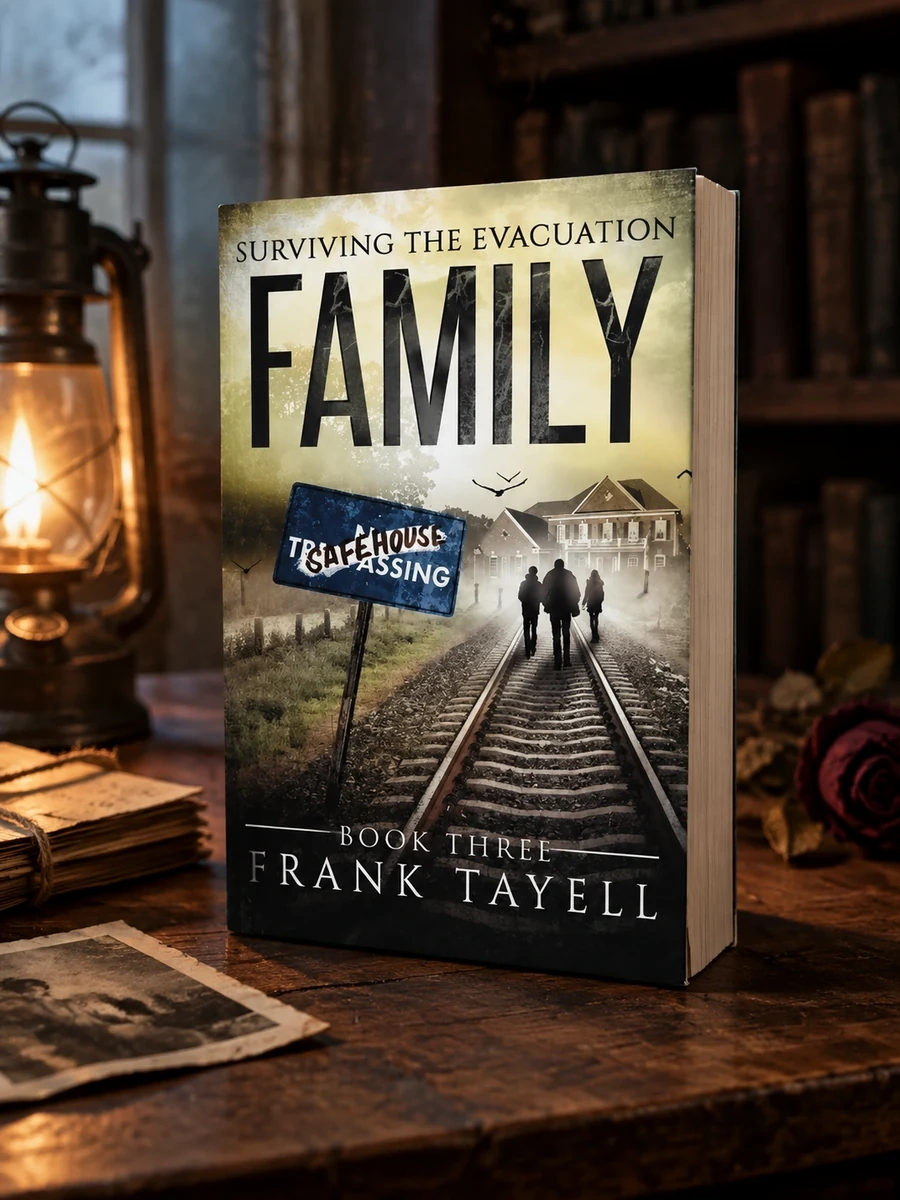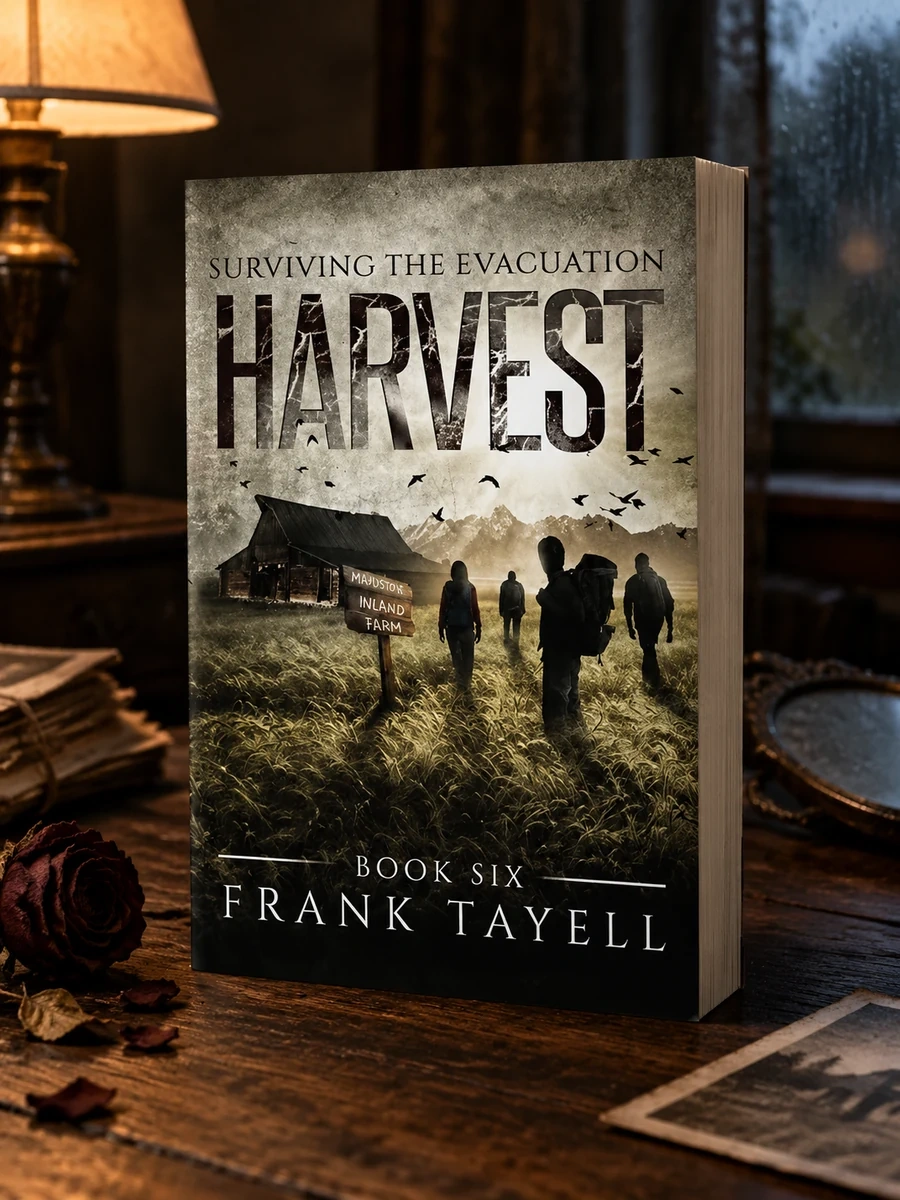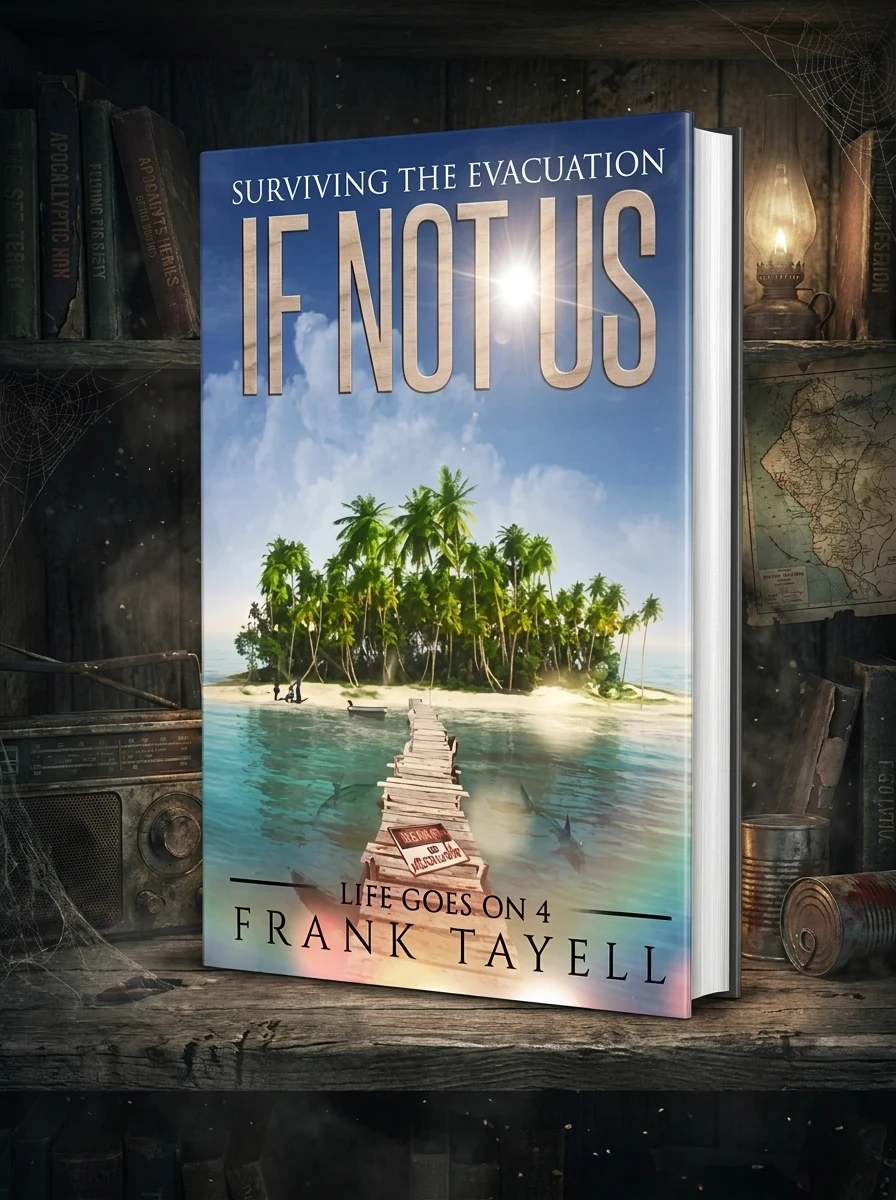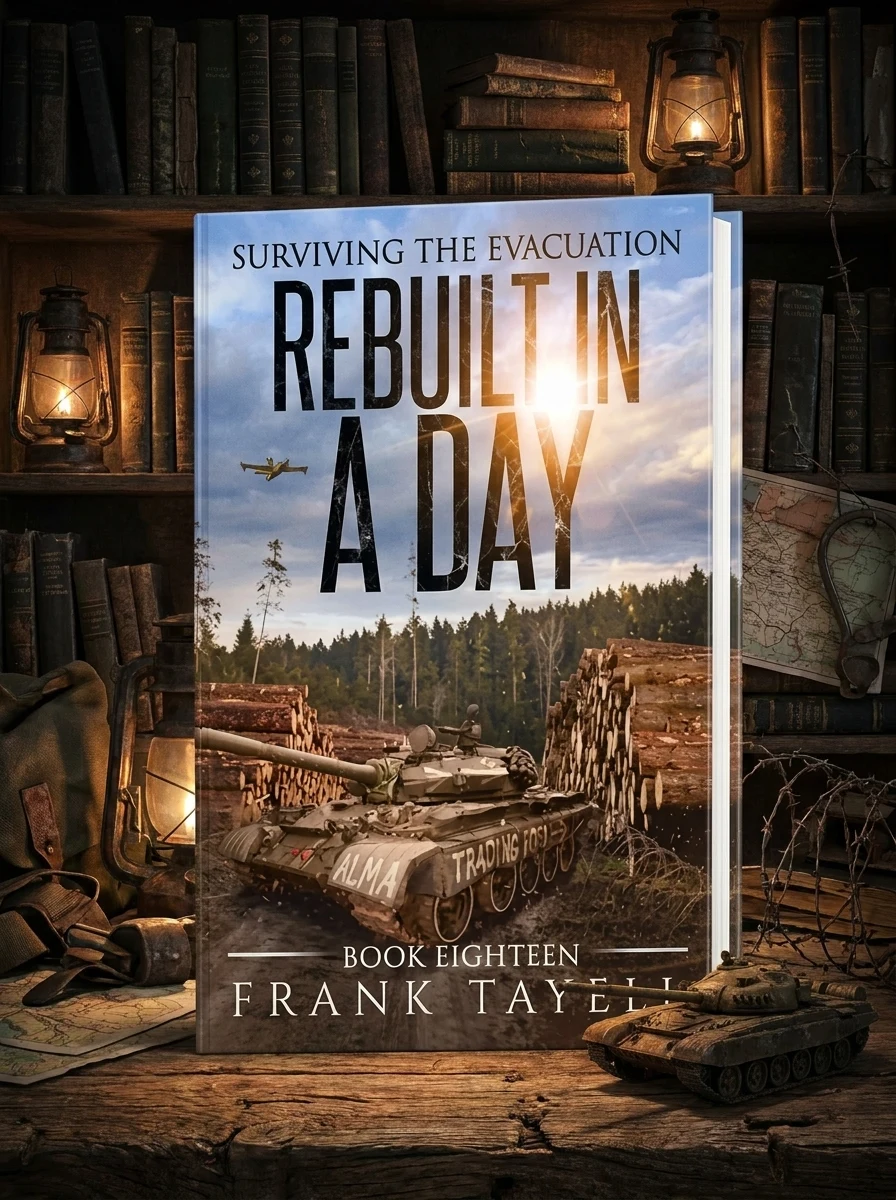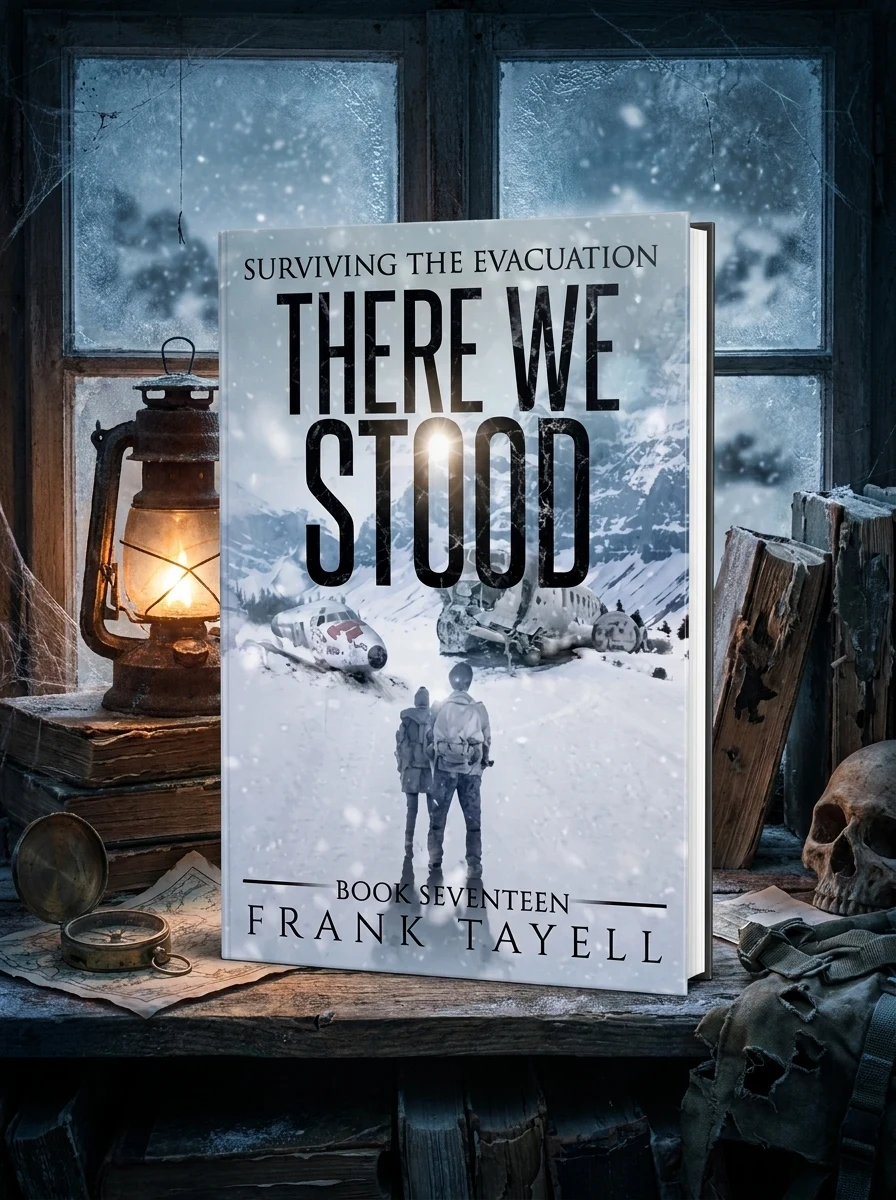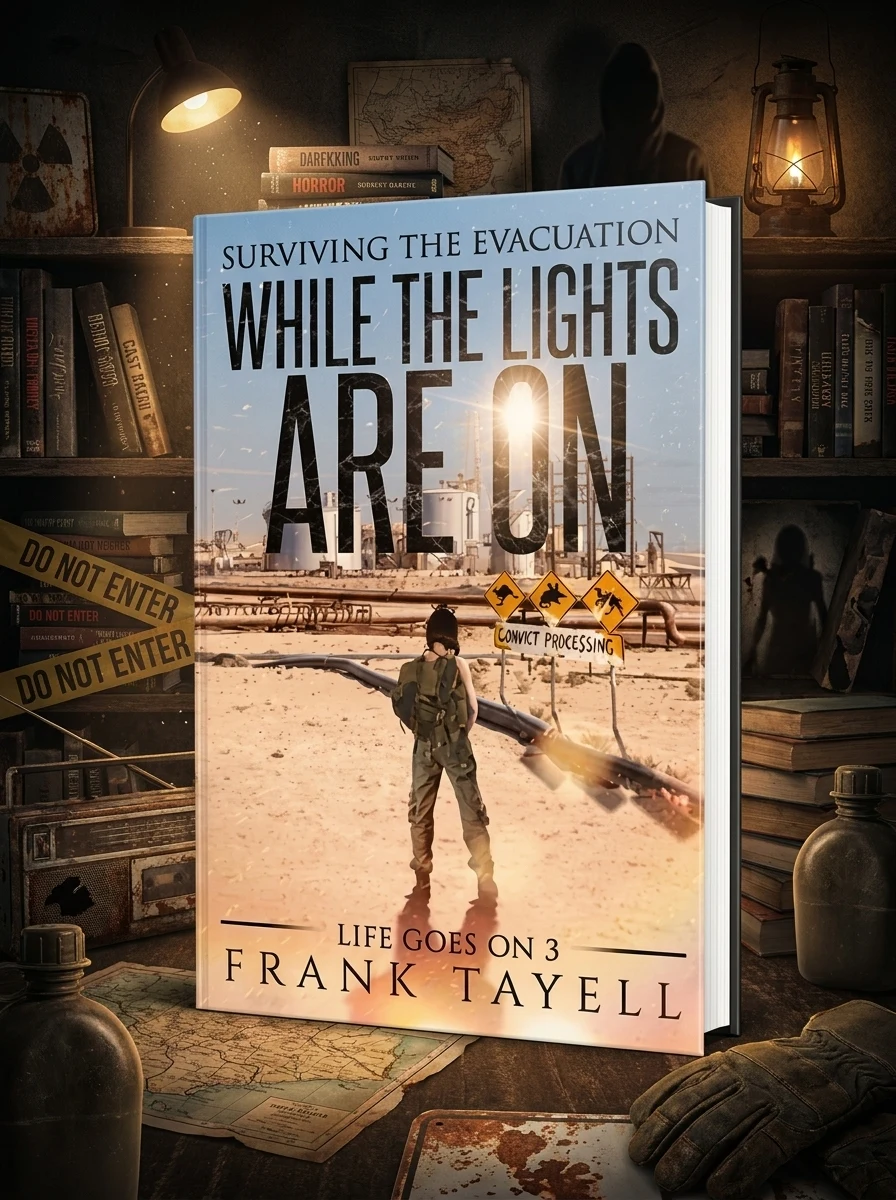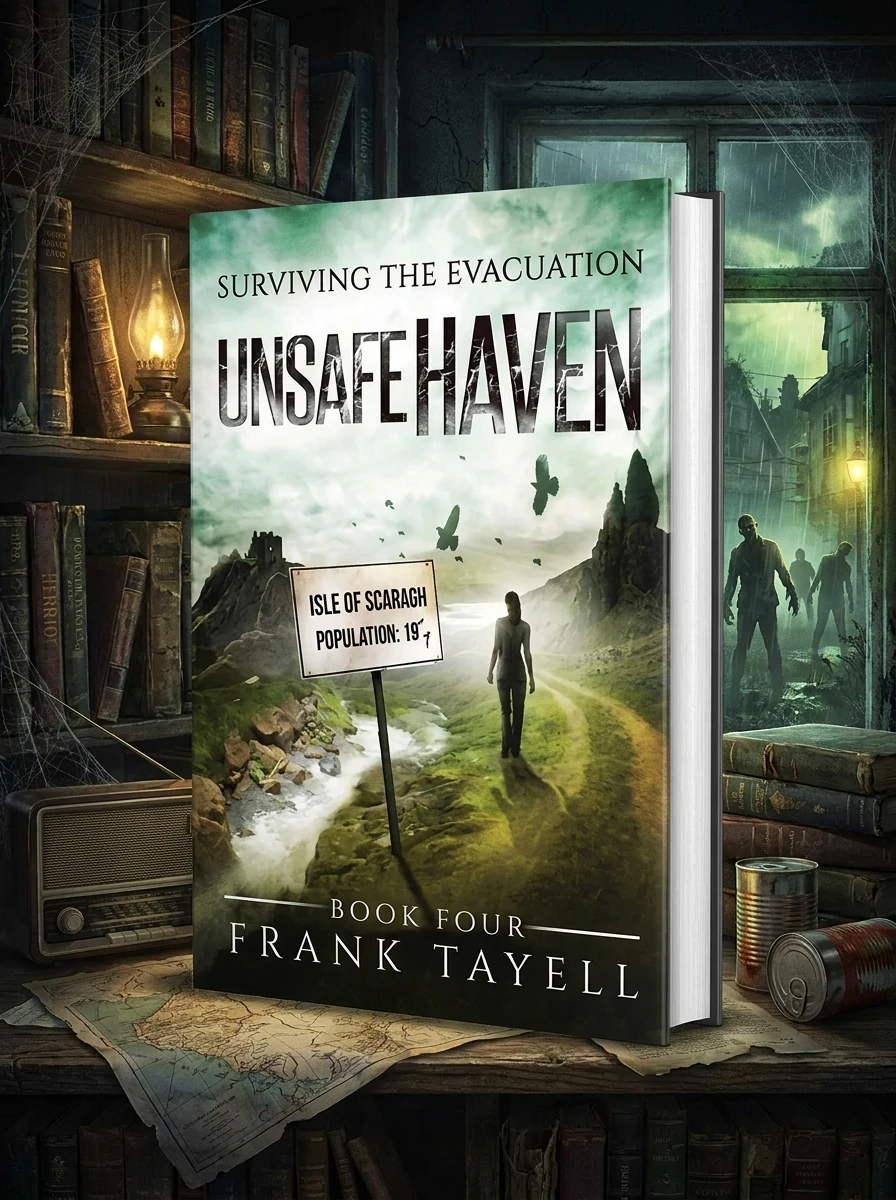
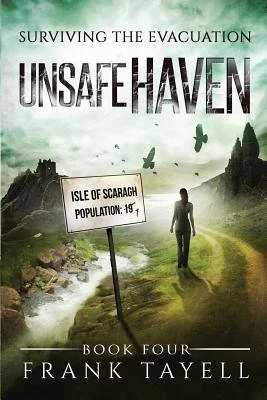
Surviving The Evacuation, Book 4: Unsafe Haven
A mother and son flee northern England for Scotland while confronting hostile survivors.
The narrative centers on Nilda’s decision to stay behind in Penrith after official evacuations begin. Her choice proves correct when she uncovers the truth about the government’s silence regarding outbreaks. The plot shifts from immediate survival in a depleted town to a longer journey toward Scotland. Along the way, Nilda must manage resource scarcity and mediate conflicts among disparate groups of survivors. The tension escalates as she confronts the new Mayor of Anglesey, whose goals diverge sharply from her own quest for a safe haven for her son.
Set in Northern England and Scotland following a mysterious evacuation order. The story reflects anxieties about institutional trust and the collapse of civil order in rural British communities during a crisis.


📝 Description: Surviving The Evacuation, Book 4: Unsafe Haven
💎 Our verdict on Surviving The Evacuation, Book 4: Unsafe Haven
📖 Why choose it
Why this book is worth reading
Readers seeking a psychologically intense exploration of moral compromise in isolation will find this narrative compelling. It appeals to those who prefer the tension of human conflict and resource scarcity over traditional monster encounters. The focus on diplomatic mediation within fractured survivor groups offers a fresh perspective on the genre. By examining the erosion of trust and the difficult choices required for self-preservation, it provides a gritty, realistic look at societal collapse. Fans of stories that delve into the psychological toll of survival rather than action-heavy sequences will appreciate the nuanced character interactions and the stark depiction of a world where official institutions have failed.
⭐ Reader reviews
Reader rating
Tayell delivers a tense, introspective journey that effectively shifts the horror from external threats to internal moral decay. The narrative excels in depicting the fragile nature of community building amidst scarcity, highlighting how diplomacy often struggles against the instinct for self-preservation. The conflict with the Mayor of Anglesey adds political weight to the personal stakes, grounding the apocalyptic setting in tangible human ambition. This book suits readers who enjoy slow-burn psychological horror and sociological speculation. It is ideal for those tired of zombie tropes and interested in the nuanced breakdown of social contracts. The focus on a mother’s protective instincts provides an emotional anchor for the broader thematic exploration of betrayal and survival ethics.