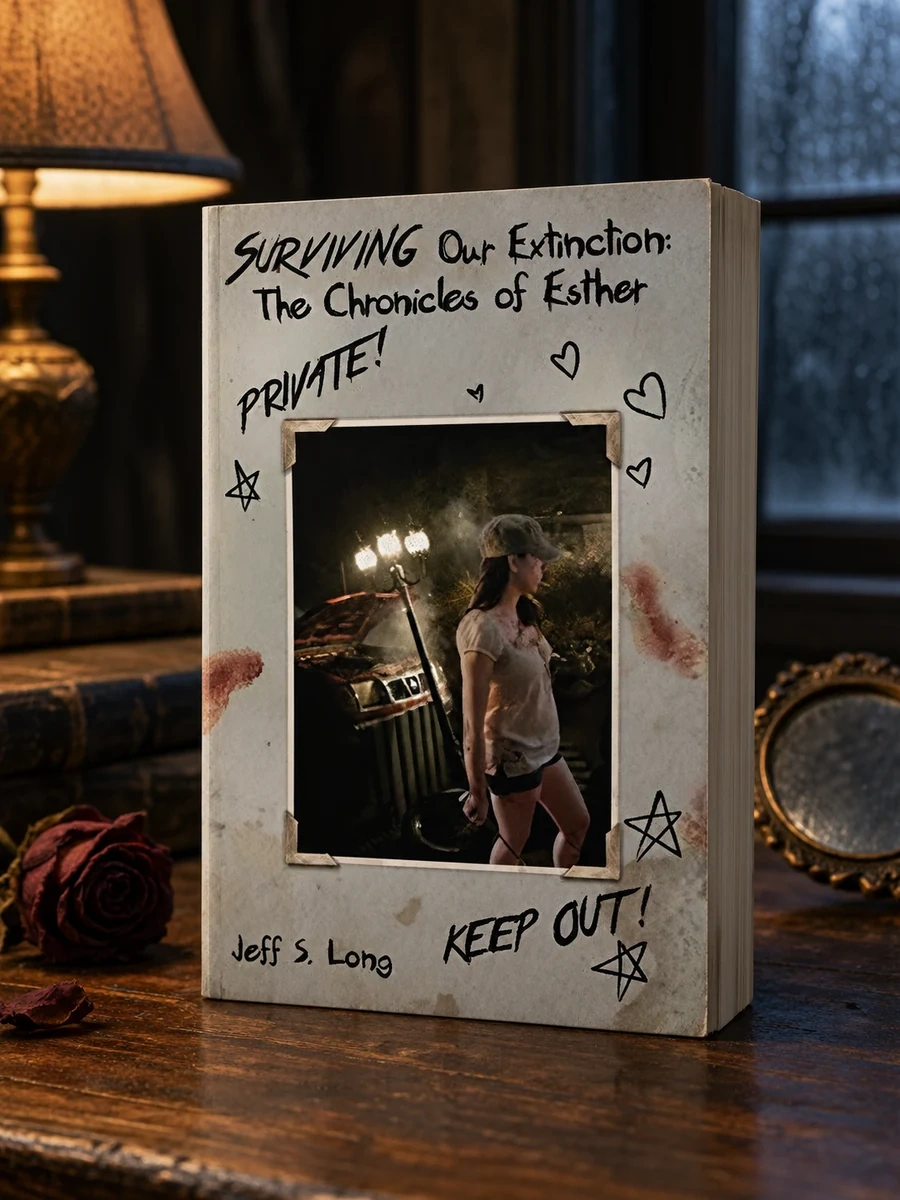

Surviving Our Extinction: The Chronicles of Esther
A teen survives as her loved ones become flesh-eating monsters.
The narrative centers on psychological endurance rather than combat. Esther’s primary challenge is maintaining her sanity while rejecting human connection. The text explores how trauma forces rapid maturation in adolescents. Long portrays the horror of recognizing familiar faces in monstrous forms. The story avoids conventional hero arcs, focusing instead on the grim reality of staying alive through detachment. This approach highlights the fragility of social bonds under extreme duress. The protagonist’s strength is defined by her ability to shut out others, not by her capacity to save them.
Published in 2015 by Madrigal Books, this work sits within the contemporary horror genre. It draws on traditions of body horror and psychological thriller elements. The story reflects modern anxieties about social fragmentation and the fear of losing one's identity to external forces or trauma.


📝 Description: Surviving Our Extinction: The Chronicles of Esther
💎 Our verdict on Surviving Our Extinction: The Chronicles of Esther
📖 Why choose it
Why this book is worth reading
This title is recommended for readers who prefer character-driven horror where terror stems from betrayal and the loss of identity rather than traditional monster hunts. It appeals to those interested in psychological endurance and the grim reality of staying alive through detachment. Readers seeking a narrative that examines the cost of survival when family becomes lethal will find value in Esther’s study of isolation. The book is ideal for audiences who appreciate the fragility of social bonds and the difficult choices required to persist when trust is impossible, offering a harrowing look at sanity maintained by emotional distance.
⭐ Reader reviews
Reader rating
Jeff S Long delivers a harrowing narrative focused on psychological erosion rather than external action. The protagonist’s strength lies in her ability to shut out others, defining survival through detachment rather than heroism. This approach highlights the horror of recognizing familiar faces in monstrous forms, creating a tense atmosphere where intimacy is a liability. The book suits readers who enjoy dark fantasies exploring rapid maturation under duress. It avoids conventional resolutions, offering instead a stark examination of human connection’s fragility. While it may not appeal to those seeking clear answers or combat-focused plots, it excels in portraying the mental resilience required when faced with the lethal distortion of loved ones.
You might also like
See more →







Have a question about this item?
Ask about the edition, condition, delivery or anything else — we reply by email or phone, usually within a day.
