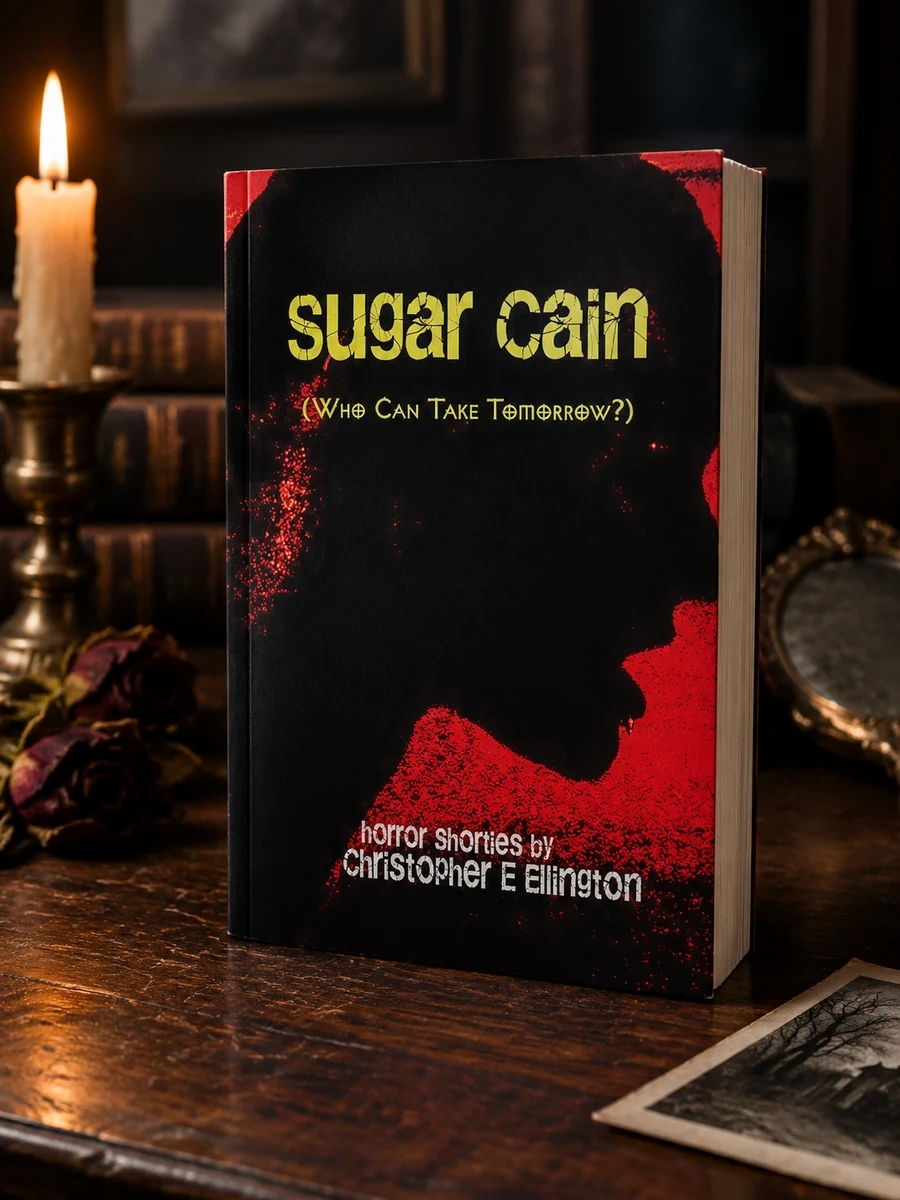
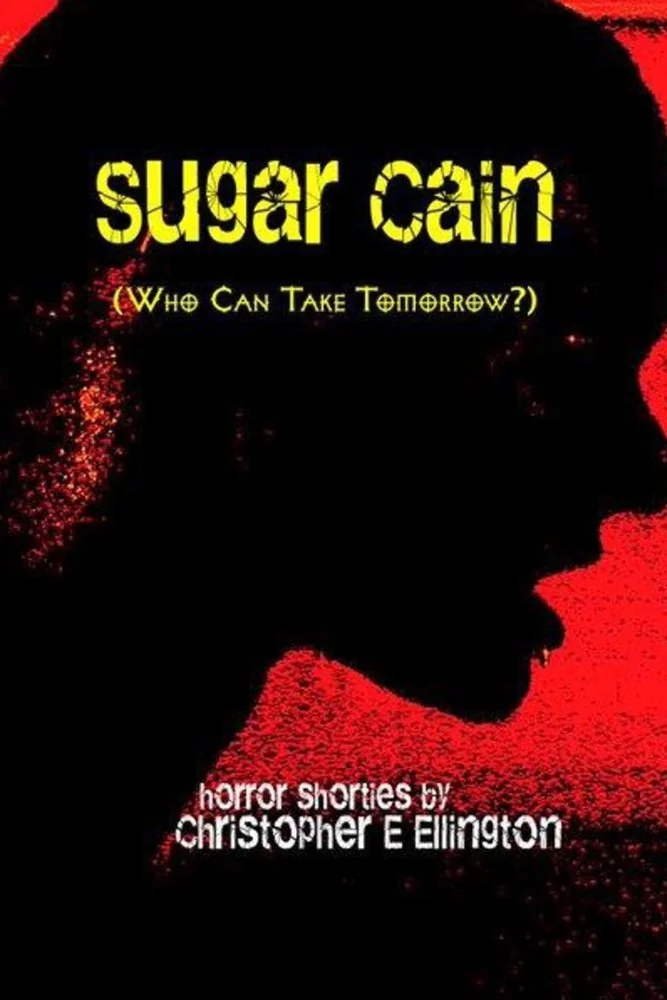
Sugar Cain: (Who Can Take Tomorrow?)
A slow-burn horror novel focusing on psychological dread and atmospheric tension.
Ellington crafts a horror experience defined by its refusal to rely on cheap thrills or rapid pacing. The text focuses on building a heavy sense of dread through careful attention to mood and setting. It targets readers who prefer their fear to be haunting and psychological rather than explicit. The narrative structure supports this goal by avoiding quick resolutions. Instead, it allows tension to accumulate gradually. This method creates a lingering impression that extends beyond the final page. The work stands as an example of horror that trusts the reader to feel unease without constant reassurance or explanation.
This 2021 publication sits within the tradition of gothic and supernatural fiction. It appeals to readers who value atmospheric tension and psychological depth in horror literature.


📝 Description: Sugar Cain: (Who Can Take Tomorrow?)
💎 Our verdict on Sugar Cain: (Who Can Take Tomorrow?)
📖 Why choose it
Why this book is worth reading
Readers seeking a slow-burn horror experience will find profound satisfaction in this standalone work. The book appeals to those who value psychological unease and atmospheric tension over sudden shocks or graphic violence. By prioritizing deliberate pacing, the narrative cultivates dread through subtle suggestion, allowing the weight of fear to linger long after reading concludes. It offers a space to explore darker corners of human experience with emotional resonance, inviting readers to sit with discomfort rather than rushing to conclusions. Fans of gothic fiction and those who prefer their fear to be haunting rather than explicit will appreciate this immersive approach. The text trusts the reader to feel unease without constant reassurance, creating a chilling exploration of fear that remains present in the mind long after the final page.
⭐ Reader reviews
Reader rating
Ellington crafts a horror experience defined by its refusal to rely on cheap thrills or rapid pacing. The narrative prioritizes psychological unease and atmospheric tension, building a heavy sense of dread through careful attention to mood and setting. This method creates a lingering impression that extends beyond the final page, offering an immersive experience where atmosphere carries the story's weight. It suits readers who value slow-burn terror and emotional resonance within their fiction. The work provides a chilling exploration of fear without rushing to conclusions, inviting deep engagement. By avoiding simple shocks in favor of implication, it ensures terror remains present in the reader’s mind. This is authentic horror for those seeking thoughtful engagement over visceral reaction, delivering unease through suggestion rather than immediate scares.
📖 Read on the blog
✍️ More books by this author Christopher E Ellington


🏛 Books from this publisher Independently Published






You might also like
See more →
Have a question about this item?
Ask about the edition, condition, delivery or anything else — we reply by email or phone, usually within a day.
