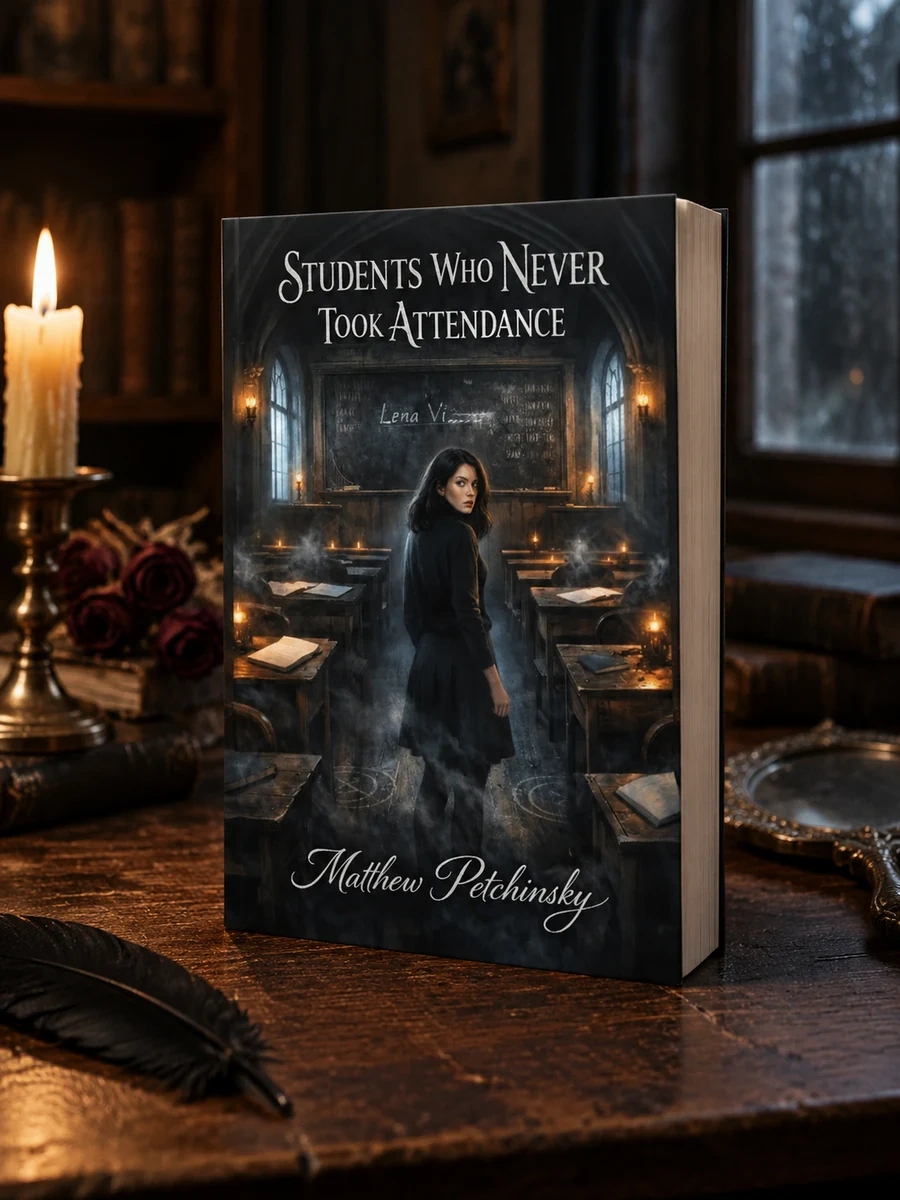
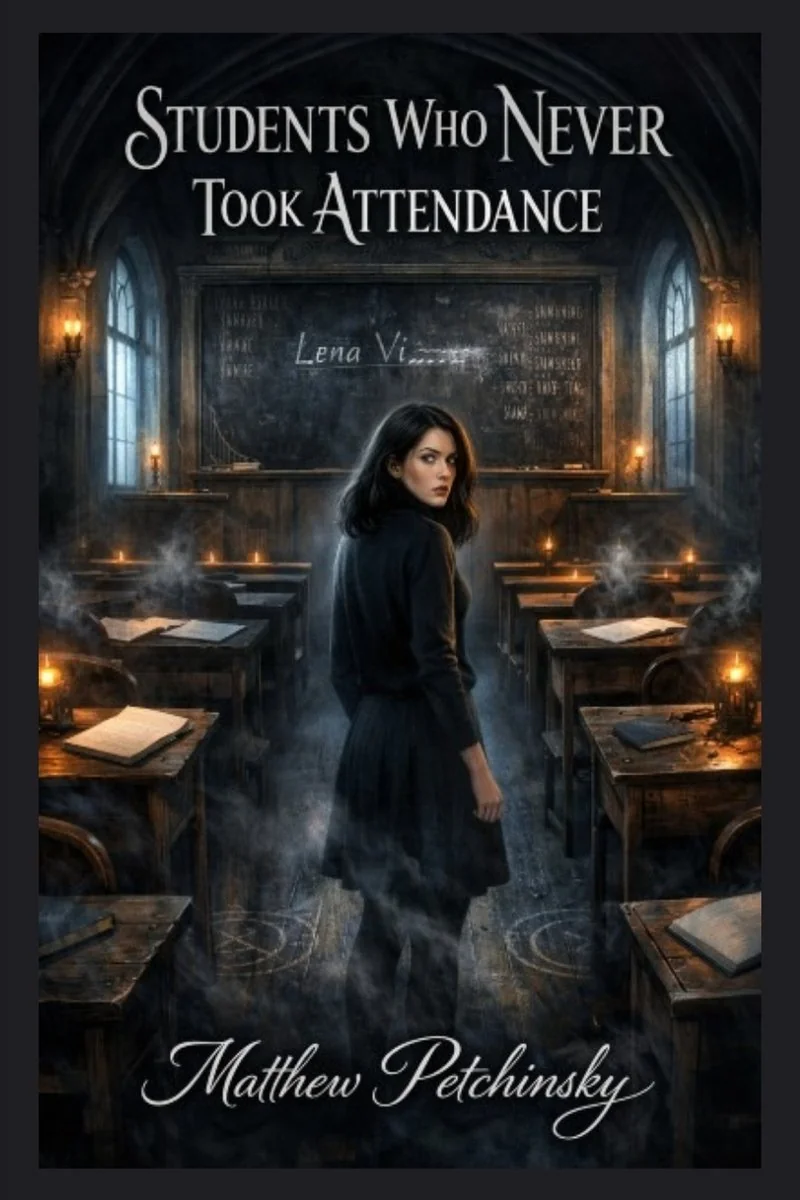
Students Who Never Took Attendance
A dark academia novel about a student erased by her university.
The plot centers on Lena Vire’s struggle against an entity that controls reality through administrative records. As she loses her physical and social presence, she uncovers a terrifying truth about how the university operates. The narrative focuses on the violent correction of those who are seen by the institution. Petchinsky uses the setting of Bellgrave University to explore themes of control and erasure. The story is organized around Lena’s fight for existence alongside unlikely allies. It presents a world where identity is not inherent but granted by authority.
This novel sits within the dark academia tradition, blending gothic horror with psychological thriller elements. It draws on supernatural fiction tropes to examine academic power structures. The work is published by Apophis Enterprises LLC in 2026, reflecting contemporary anxieties about institutional authority and personal erasure.


📝 Description: Students Who Never Took Attendance
💎 Our verdict on Students Who Never Took Attendance
📖 Why choose it
Why this book is worth reading
Readers drawn to psychological horror and dark academia will find this novel a compelling exploration of identity under institutional pressure. Those who appreciate narratives where the antagonist is not a monster but a system will resonate with Lena Vire’s struggle for existence. The book offers a tense, atmospheric experience suitable for audiences interested in themes of control, erasure, and the fragility of selfhood. It appeals to fans of stories that blend academic settings with existential dread, providing a unique perspective on how authority defines reality. This work is ideal for readers seeking horror that critiques societal structures rather than relying on traditional scares.
⭐ Reader reviews
Reader rating
Petchinsky masterfully weaponizes the mundane mechanics of university administration to create profound existential dread. By framing bureaucratic erasure as a literal threat to existence, the novel transforms the familiar dark academia setting into a claustrophobic nightmare. The narrative effectively builds tension through Lena’s gradual loss of social and physical presence, making the horror feel intimate and inescapable. This approach suits readers who prefer psychological thrillers over visceral gore. The exploration of identity as a grant from authority rather than an inherent trait adds intellectual depth to the terror. It is a strong recommendation for those who enjoy atmospheric, idea-driven horror that lingers long after the final page.
📖 Read on the blog
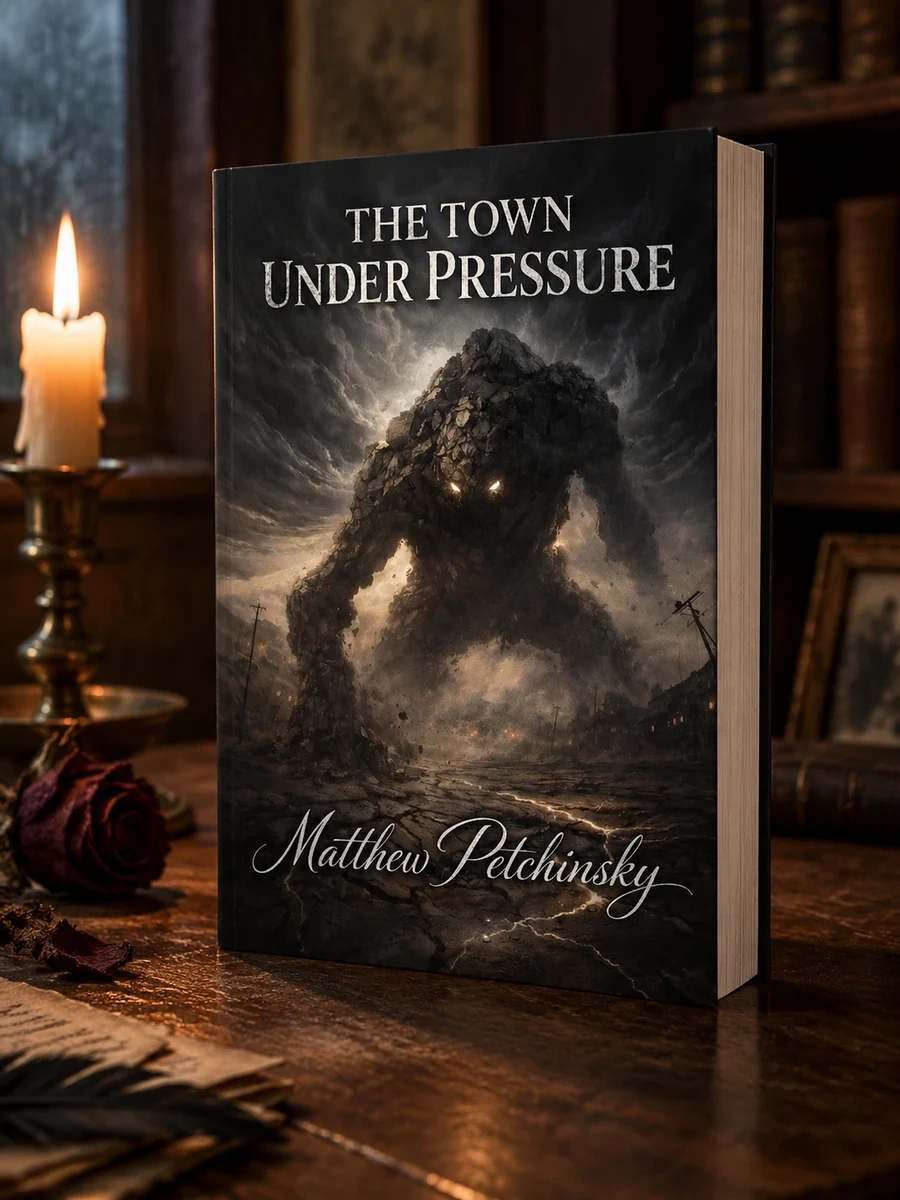
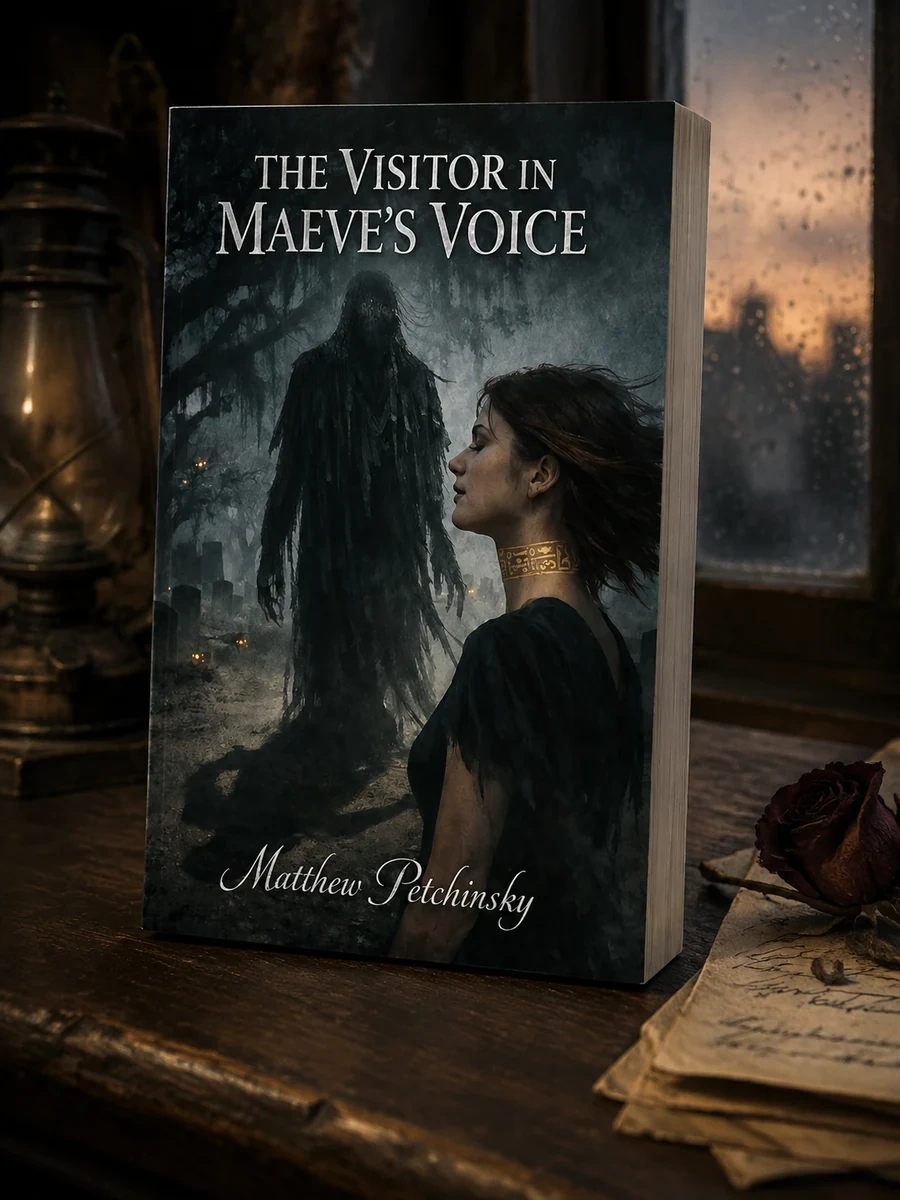
✍️ More books by this author Matthew Petchinsky




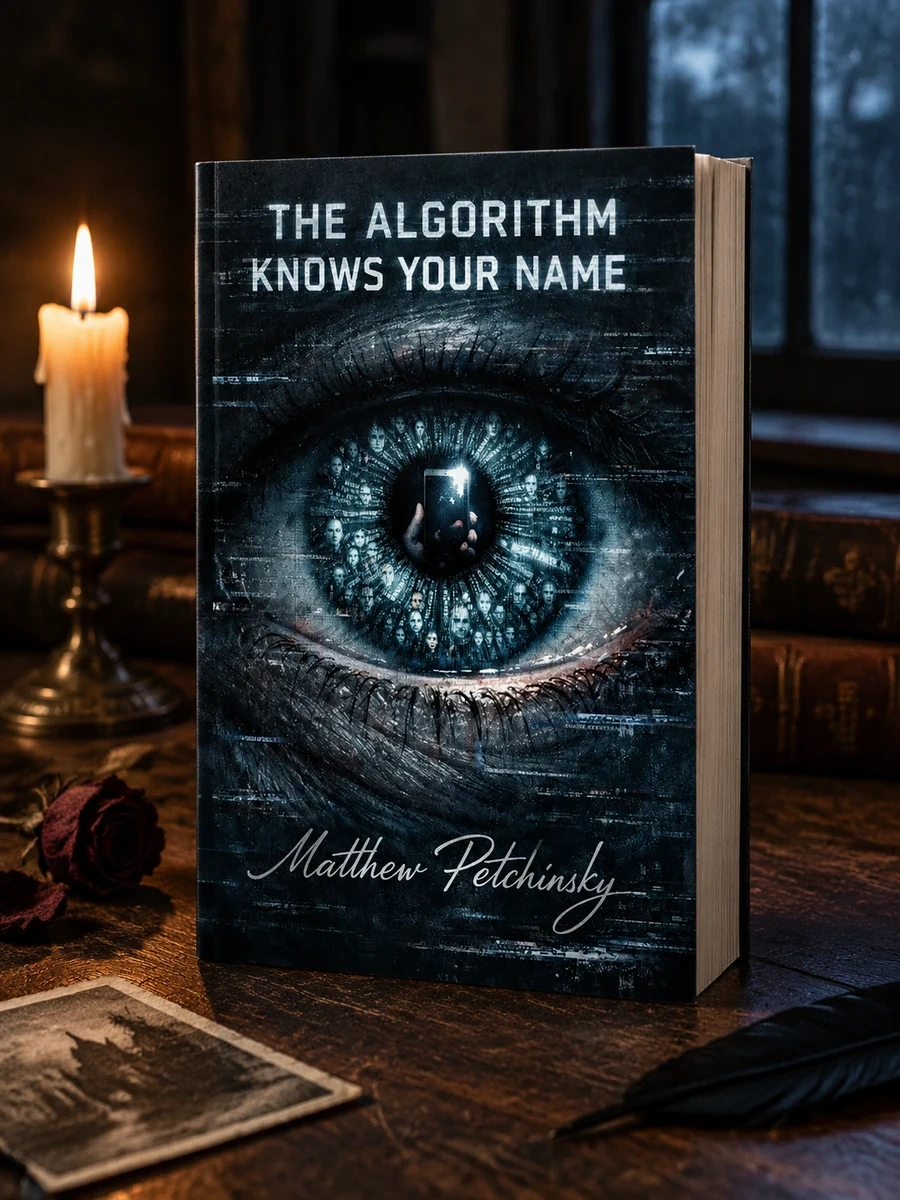
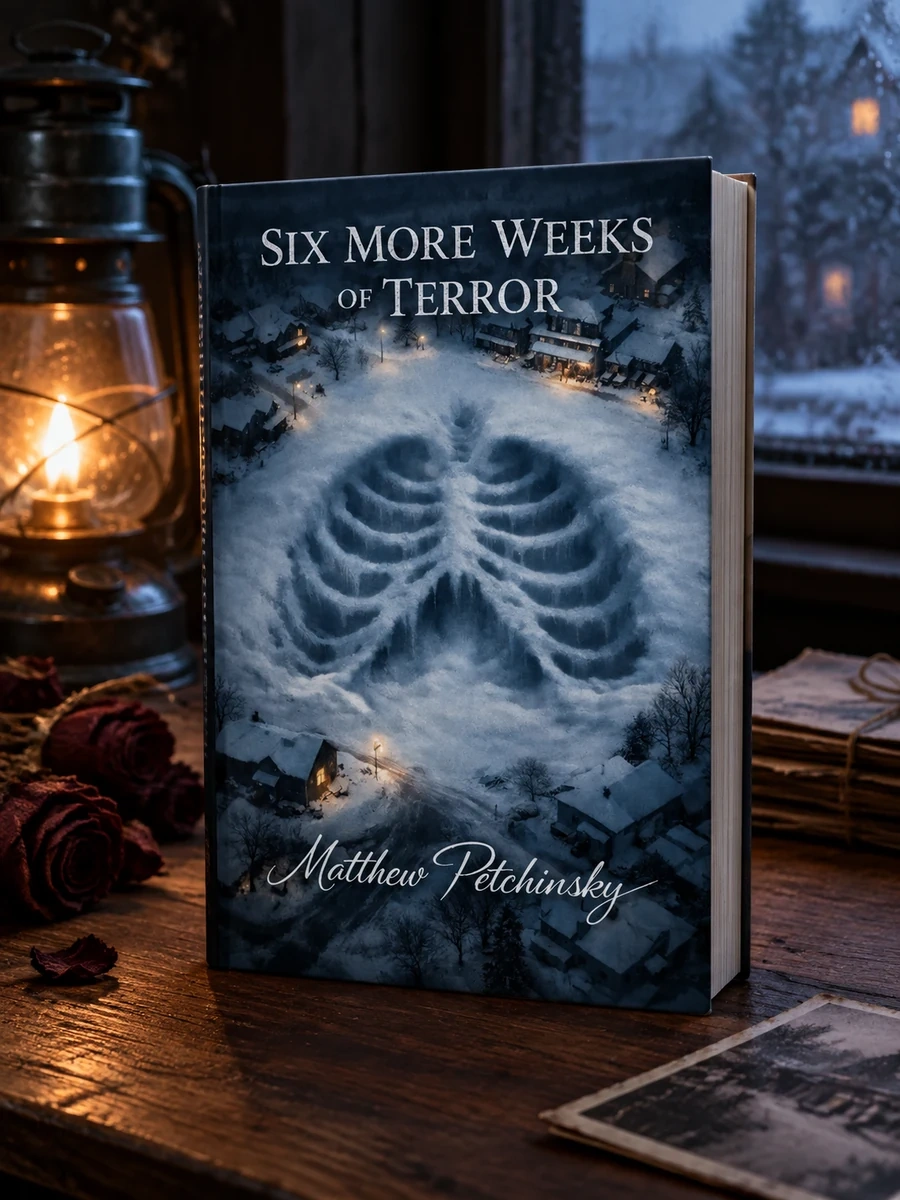
🏛 Books from this publisher Apophis Enterprises LLC




You might also like
See more →

Have a question about this item?
Ask about the edition, condition, delivery or anything else — we reply by email or phone, usually within a day.
