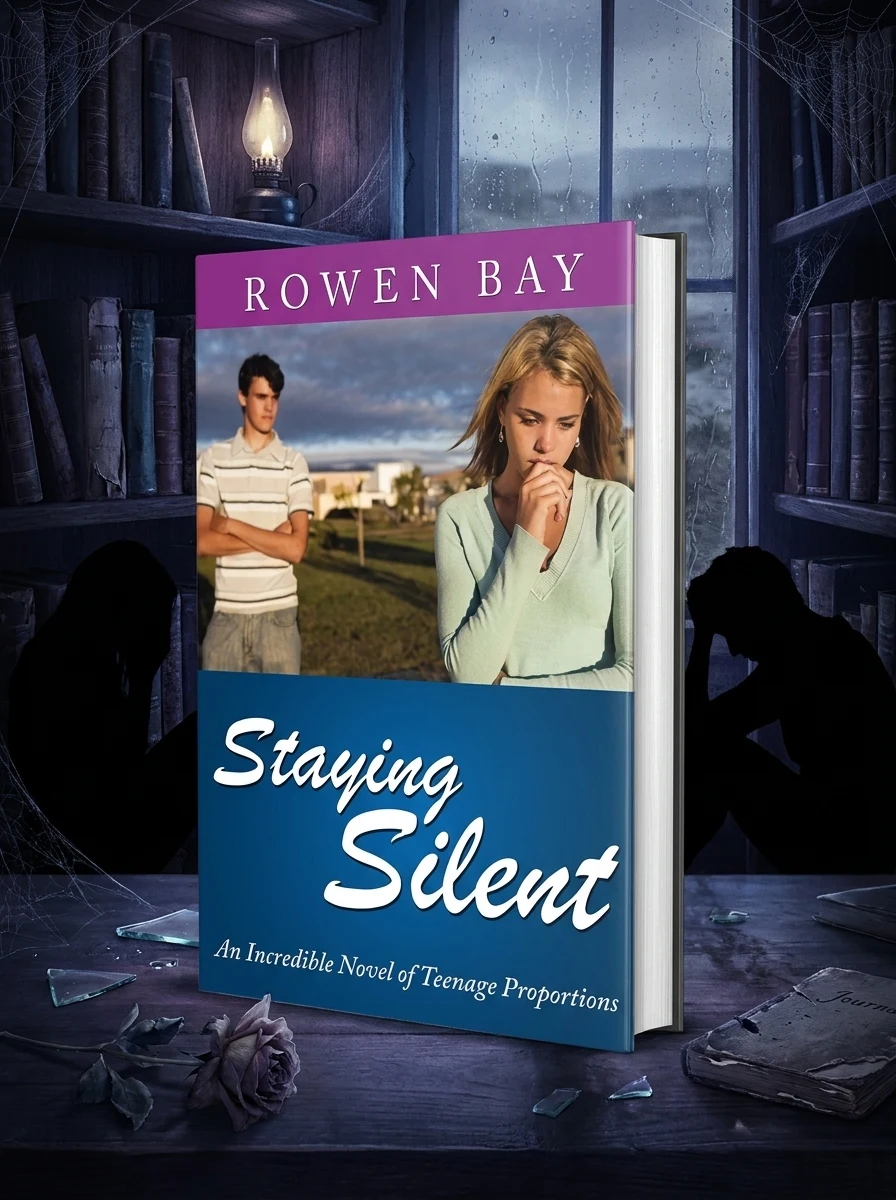
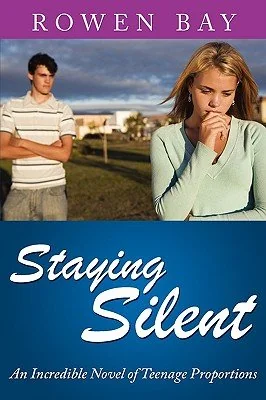
Staying Silent: An Incredible Novel of Teenage Proportions
A novel about a teen outcast battling depression after sexual harassment.
Rowen Bay writes about Taz, a teenager who becomes an outcast following sexual harassment. The plot follows her battle with depression and her eventual conclusion that silence is her only option for being heard. The book focuses on the psychological weight of trauma and the societal tendency to ignore victims. It does not feature supernatural elements or historical settings but remains a realistic exploration of teenage mental health. The narrative structure emphasizes Taz’s internal state over external events, making it a character study rather than an adventure. Readers looking for horror tropes may find this work too grounded in reality.
Published by Authorhouse UK in 2008, this novel sits within the contemporary realistic fiction genre. It addresses modern issues of teenage mental health and sexual harassment without relying on traditional horror or gothic elements. The work reflects early twenty-first-century discussions on victim silence and societal response.


📝 Description: Staying Silent: An Incredible Novel of Teenage Proportions
💎 Our verdict on Staying Silent: An Incredible Novel of Teenage Proportions
📖 Why choose it
Why this book is worth reading
Readers seeking a profound exploration of psychological endurance will find value in this character-driven narrative. It is ideal for those interested in the nuanced depiction of teenage depression and the specific weight of trauma when societal structures fail to provide support. The book offers a stark, realistic look at emotional isolation, making it suitable for audiences who prefer deep internal character studies over action or supernatural thrills. Those wishing to understand the complex landscape of trauma recovery and the pressure to remain silent will appreciate this grounded, intense examination of resilience in the face of harassment.
⭐ Reader reviews
Reader rating
Rowen Bay delivers a compelling, albeit heavy, character study that prioritizes internal psychological states over external plot events. The narrative effectively captures the suffocating weight of depression and the societal tendency to ignore victims, creating a tense atmosphere through emotional realism rather than fear tropes. While it lacks supernatural elements or historical settings, its strength lies in its raw portrayal of teenage outcast status. This work suits readers who appreciate literary depth and realistic fiction over conventional horror. It is a challenging but rewarding read for those willing to engage with the stark realities of trauma and the struggle for voice in an indifferent world.