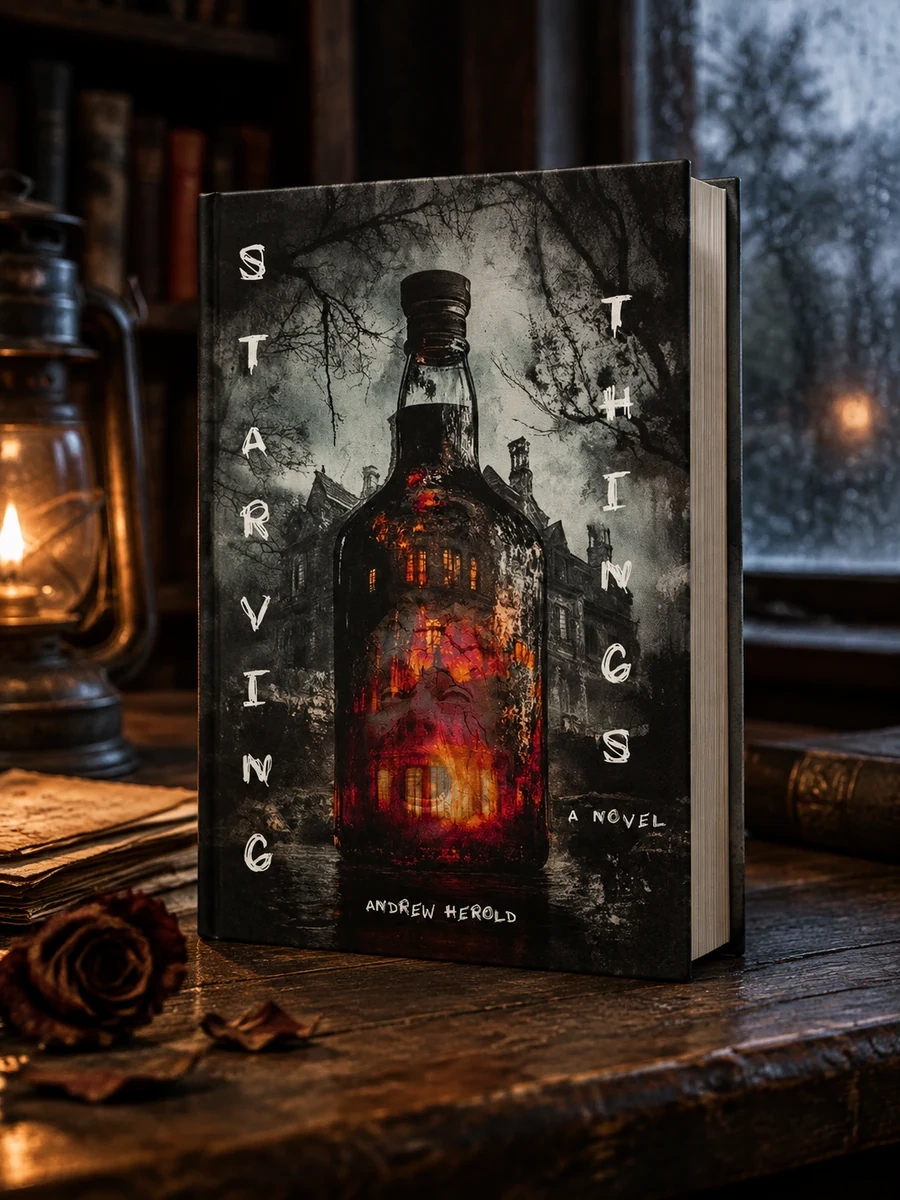
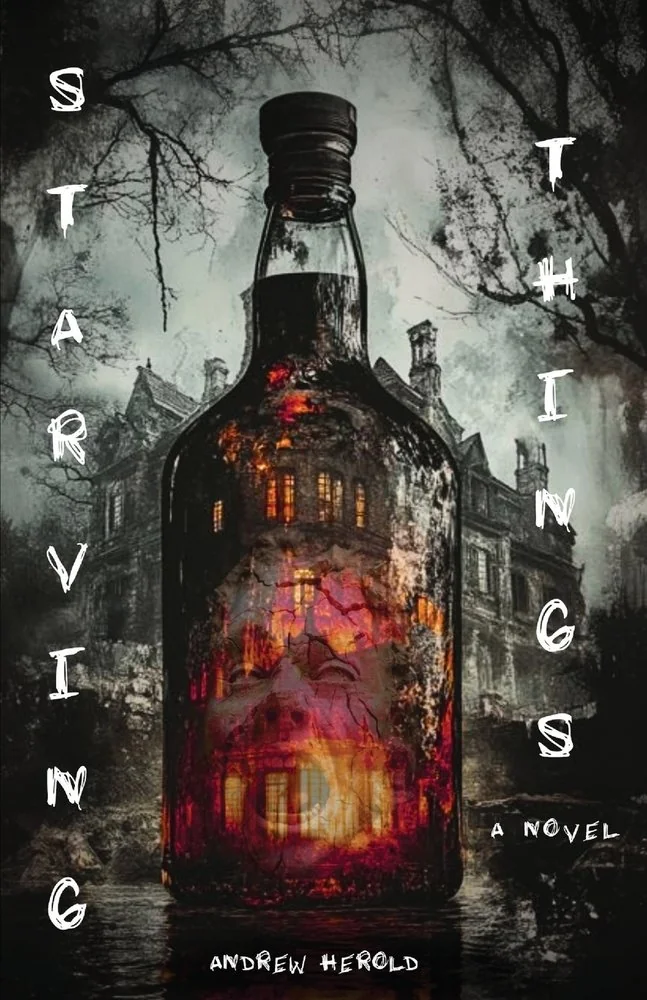
Starving Things
A psychological horror novel exploring occult themes through internal turmoil.
Herold constructs a narrative where supernatural events mirror mental instability. The book avoids rapid action in favor of slow-burn tension. It examines fear through an occult lens rather than traditional jump scares. The atmosphere prioritizes lingering dread over plot resolution. This method appeals to readers who enjoy gothic fiction. It creates an immersive experience by blurring lines between reality and the paranormal. The focus remains on psychological depth. External threats are secondary to internal conflict. The text offers a unique perspective on how unseen forces haunt thoughts. It is not for those wanting clear answers or quick thrills.
This 2025 paperback by Andrew Herold sits at the intersection of psychological horror and occult traditions. It draws on gothic fiction to explore supernatural elements as reflections of internal turmoil. The work addresses the blurring boundary between reality and the paranormal for American readers seeking mood-driven dread.


📝 Description: Starving Things
💎 Our verdict on Starving Things
📖 Why choose it
Why this book is worth reading
This title offers a distinct experience for readers who appreciate slow-burn tension and the blurring of reality with the paranormal. It suits those willing to sit with discomfort and explore how unseen forces haunt thoughts through psychological depth. Fans of gothic traditions will value the intersection of genre and psyche, finding merit in the steady accumulation of dread rather than shock tactics. The book provides a tangible form for unsettling exploration, appealing to individuals who enjoy fiction where mental states mirror paranormal occurrences. However, it is not recommended for those seeking fast-paced plots or clear answers, as the narrative prioritizes mood-driven unease over immediate gratification.
⭐ Reader reviews
Reader rating
Andrew Herold’s Starving Things successfully merges psychological horror with occult themes, treating supernatural elements as reflections of internal turmoil. The narrative avoids rapid action, instead crafting a tense atmosphere where the boundary between reality and the paranormal blurs. This approach creates a mood-driven experience defined by lingering dread, offering an immersive look at darker corners of the human mind. The text excels in its intricate examination of fear, presenting a distinct atmosphere for readers willing to engage with discomfort. It is best suited for those who enjoy gothic fiction and psychological depth alongside occult subject matter. While it lacks clear resolutions, it delivers a unique perspective on how mental instability mirrors paranormal events.
📖 Read on the blog
✍️ More books by this author Andrew Herold
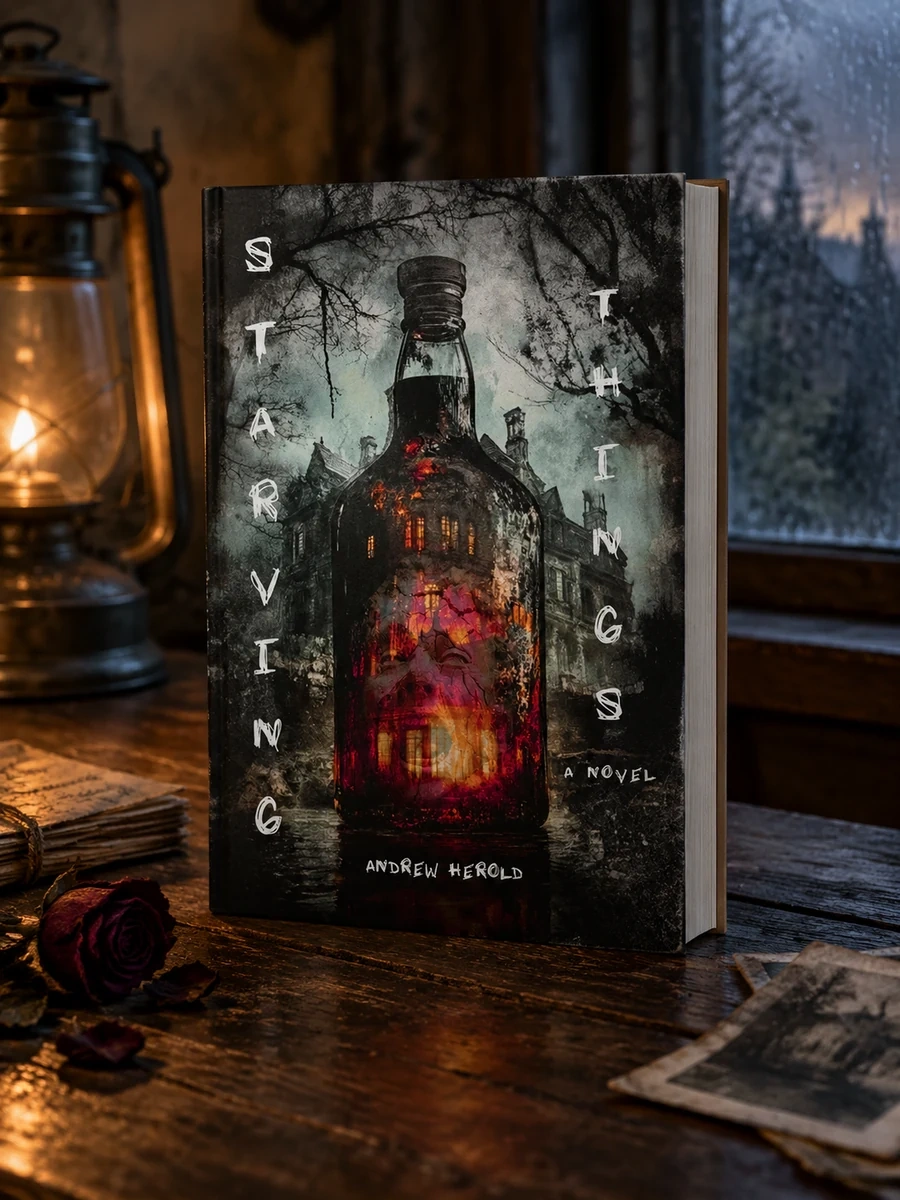


🏛 Books from this publisher Acam Publishing
You might also like
See more →

Have a question about this item?
Ask about the edition, condition, delivery or anything else — we reply by email or phone, usually within a day.
