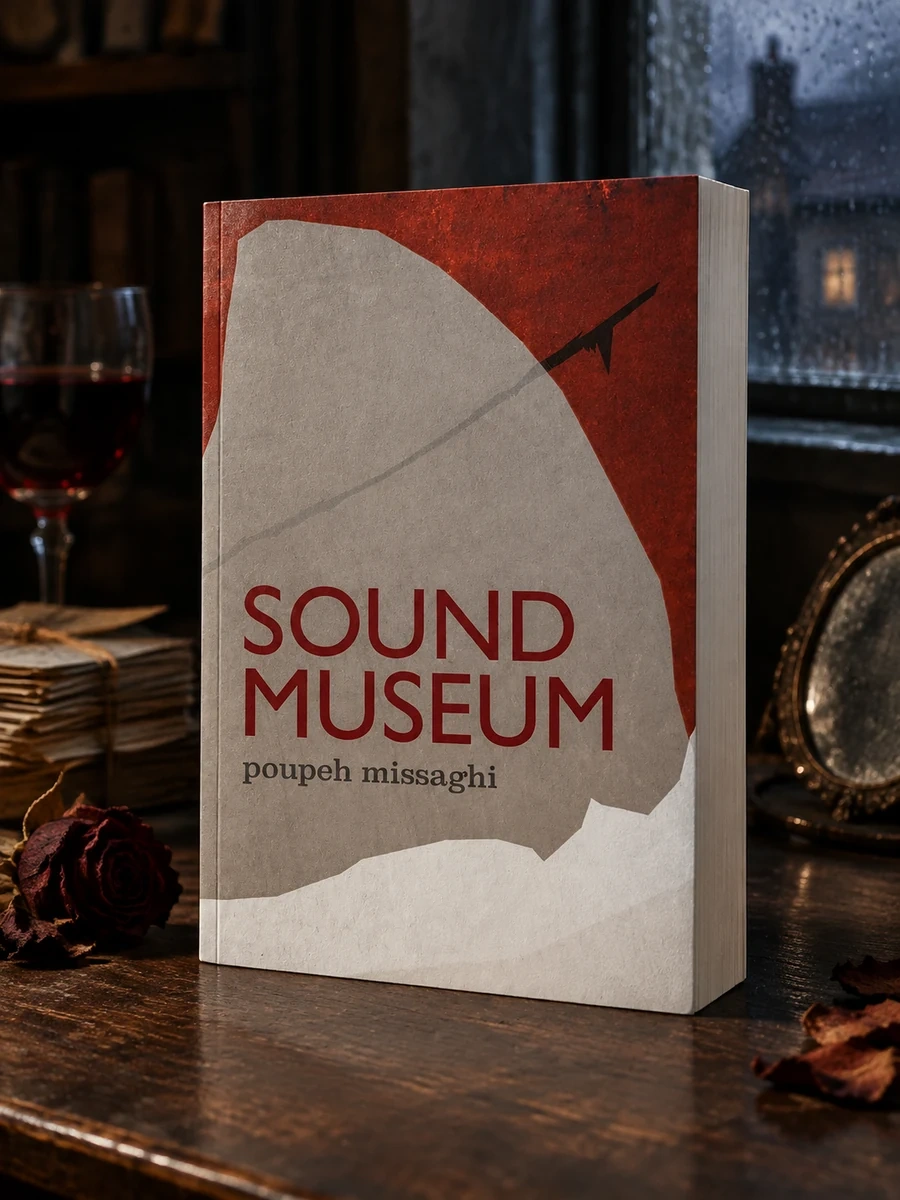
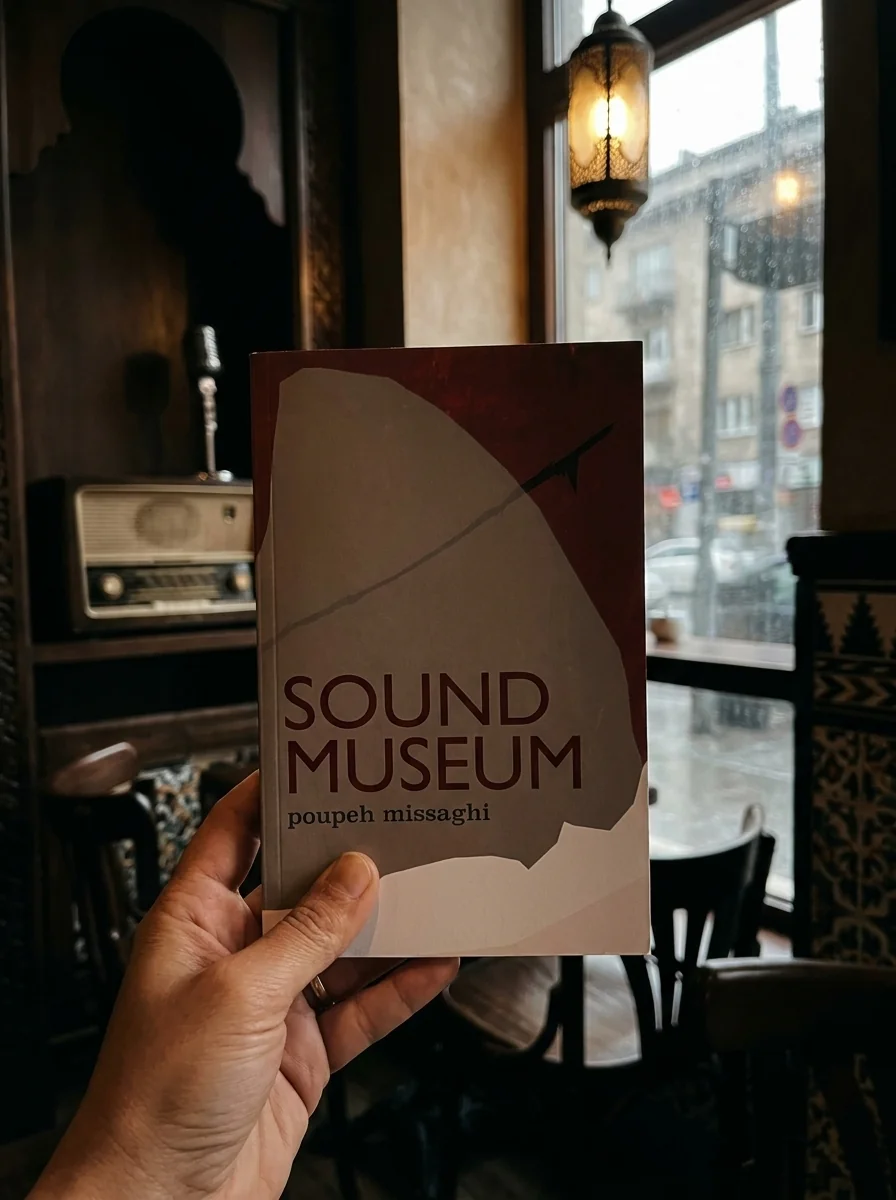
Sound Museum
A curator guides journalists through a museum built from torture recordings in Iran.
The narrative follows a female curator in Iran who presents a unique exhibition to visiting foreign journalists. She reveals that the Sound Museum consists entirely of audio files taken from prison cells and interrogation rooms. Her presentation is a continuous monologue that mixes personal anecdotes about career struggles with philosophical reflections on power. She openly admits her role in supporting this worldwide system of abuse. The text uses lyrical language to describe horrific content, creating a dissonance between form and subject. This approach forces the audience to question their own ethical stance as observers. The curator’s lack of remorse highlights the banality of evil. Readers encounter a character who is fully aware of her actions yet completely detached from their moral weight.
The work is set in Iran and draws on global systems of power. It utilizes archives, case studies, and fieldwork examples to explore the intersection of art and torture. The narrative reflects on contemporary issues of gender inequity within professional spheres while addressing broader themes of complicity in institutional abuse.


📝 Description: Sound Museum
💎 Our verdict on Sound Museum
📖 Why choose it
Why this book is worth reading
Readers interested in gothic horror that challenges moral boundaries and examines bureaucratic cruelty will find this book compelling. It offers a stark portrait of a psyche blind to its own actions, forcing audiences to confront their position within systems of power. Those seeking uncomfortable truths about complicity and the banality of evil will appreciate the dissonance between lyrical form and horrific subject matter. This text demands engagement with ethical questions regarding witnessing and observer ethics. It is ideal for those who enjoy psychological horror that lacks clear distinctions between victim and perpetrator, providing a profound meditation on the nature of evil and the indifference of power structures in contemporary society.
⭐ Reader reviews
Reader rating
Missaghi’s prose creates a dissonance by using lyrical language to describe horrific content, creating a powerful critique of the banality of evil. The narrative forces readers to question their own ethical stance as observers, highlighting the curator's complete detachment from moral weight. This approach suits those interested in gothic horror that challenges moral boundaries and examines bureaucratic cruelty. It avoids traditional jump scares, opting instead for a sustained monologue that weaves philosophy with personal anecdotes. The book is best suited for readers willing to engage with uncomfortable truths about complicity. It offers a stark portrait of a psyche blind to its own actions, making it a demanding but rewarding experience for those interested in the psychology of power and state-sanctioned violence.
📖 Read on the blog
🏛 Books from this publisher Coffee House Press


You might also like
See more →



Have a question about this item?
Ask about the edition, condition, delivery or anything else — we reply by email or phone, usually within a day.
