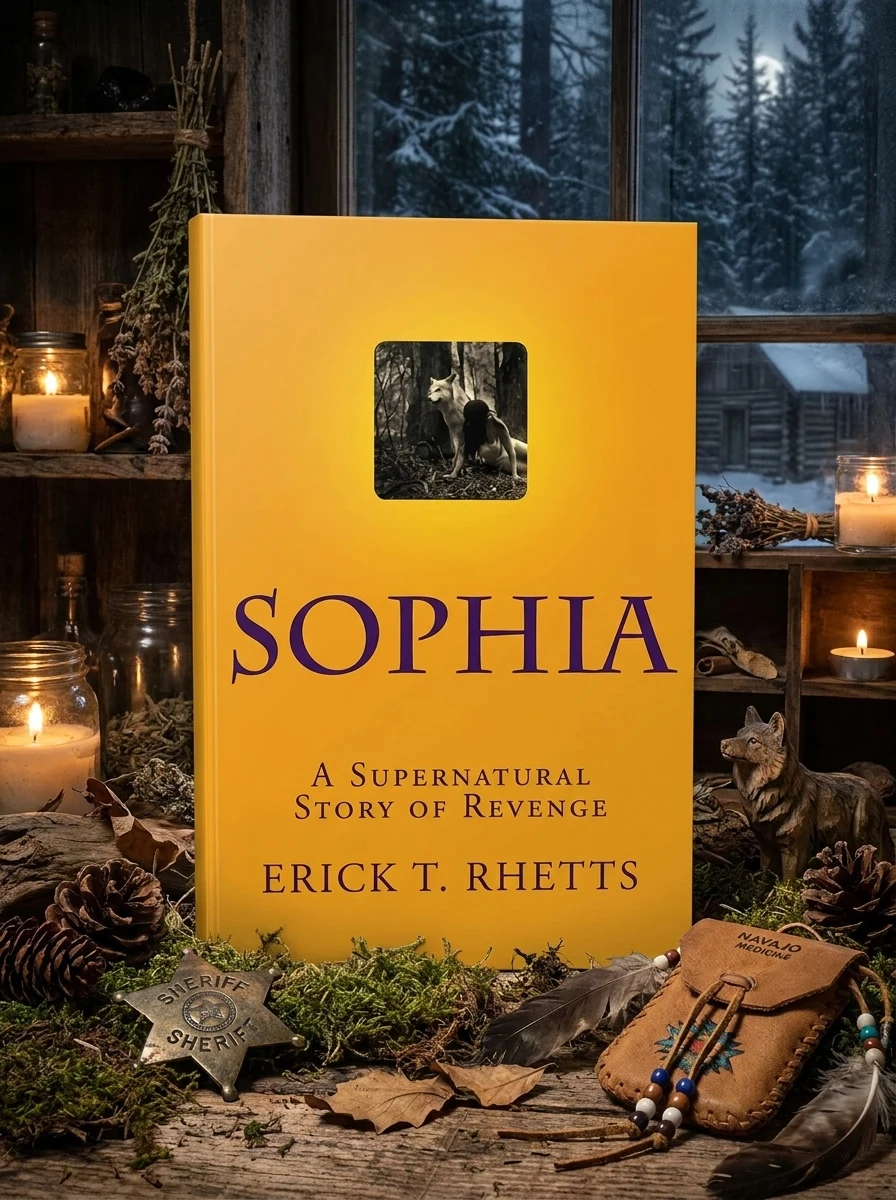

Sophia
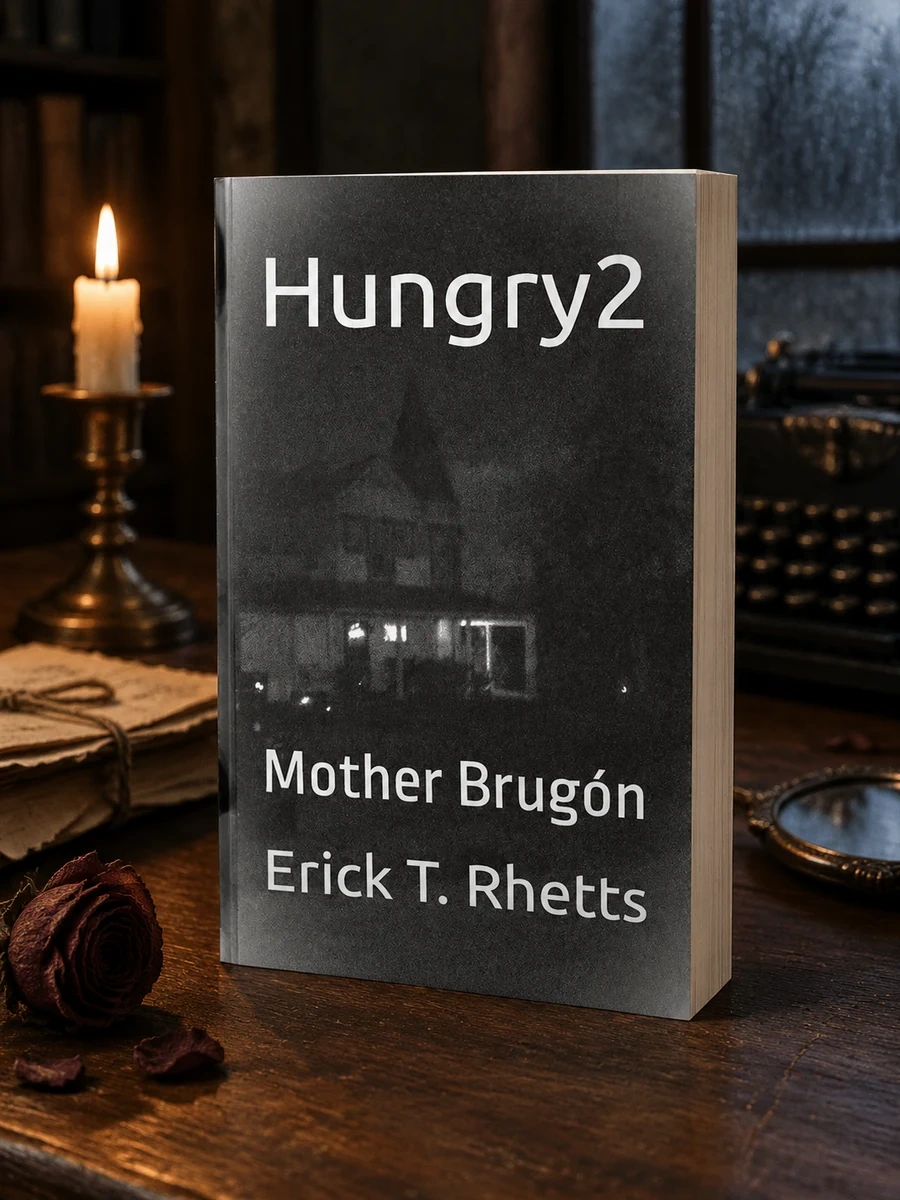
Four friends face supernatural retribution in a Colorado cabin after a past indiscretion returns.
This novel focuses on the consequences of hidden secrets resurfacing during a holiday gathering. The protagonists attempt to find peace in nature but instead encounter a paranormal entity linked to their history. The story integrates Navajo Shamanic practices as a counterbalance to the evil they summon. Rhetts uses the remote Colorado setting to heighten the sense of vulnerability. The narrative does not offer easy escapes for the characters, emphasizing the weight of their previous actions.
The book is set in rural areas south of Boulder, Colorado, during a New Year celebration. It incorporates Navajo Shamanic traditions as a key element of the supernatural conflict. The story reflects on the clash between modern career pressures and ancient spiritual remedies.


📝 Description: Sophia
💎 Our verdict on Sophia
📖 Why choose it
Why this book is worth reading
Readers who enjoy atmospheric dread over complex character studies will find this narrative compelling. The story appeals to those fascinated by the intersection of modern urban anxiety and ancient spiritual remedies. It is ideal for fans of the isolated cabin subgenre where past sins manifest as present danger. The remote Colorado setting heightens vulnerability, making it a strong choice for audiences seeking tension between deceit and supernatural forces. Those interested in how guilt attracts malevolent entities that defy rational explanation will appreciate the thematic weight. The integration of Navajo traditions offers a unique perspective on paranormal threats. It suits readers who prefer clear consequences for hidden secrets resurfacing during holiday gatherings, providing a stark backdrop for confronting the unknown without offering easy escapes.
⭐ Reader reviews
Reader rating
Rhetts crafts a tense narrative where four friends face supernatural retribution in rural Colorado. The book excels at using isolation to amplify the impact of past indiscretions returning with vengeful intent. By pitting modern characters against ancient spiritual remedies, it creates a compelling clash of worldviews. The inclusion of Navajo Shamanic practices adds depth to the paranormal threat, framing the horror within specific cultural traditions rather than generic tropes. This work is best suited for readers who prioritize atmospheric dread and thematic exploration of guilt over intricate character development. The stark Colorado woods provide an effective backdrop for the confrontation with evil. It delivers on the promise of a trap where survival depends on external intervention from local authorities and spiritual figures, maintaining tension throughout.