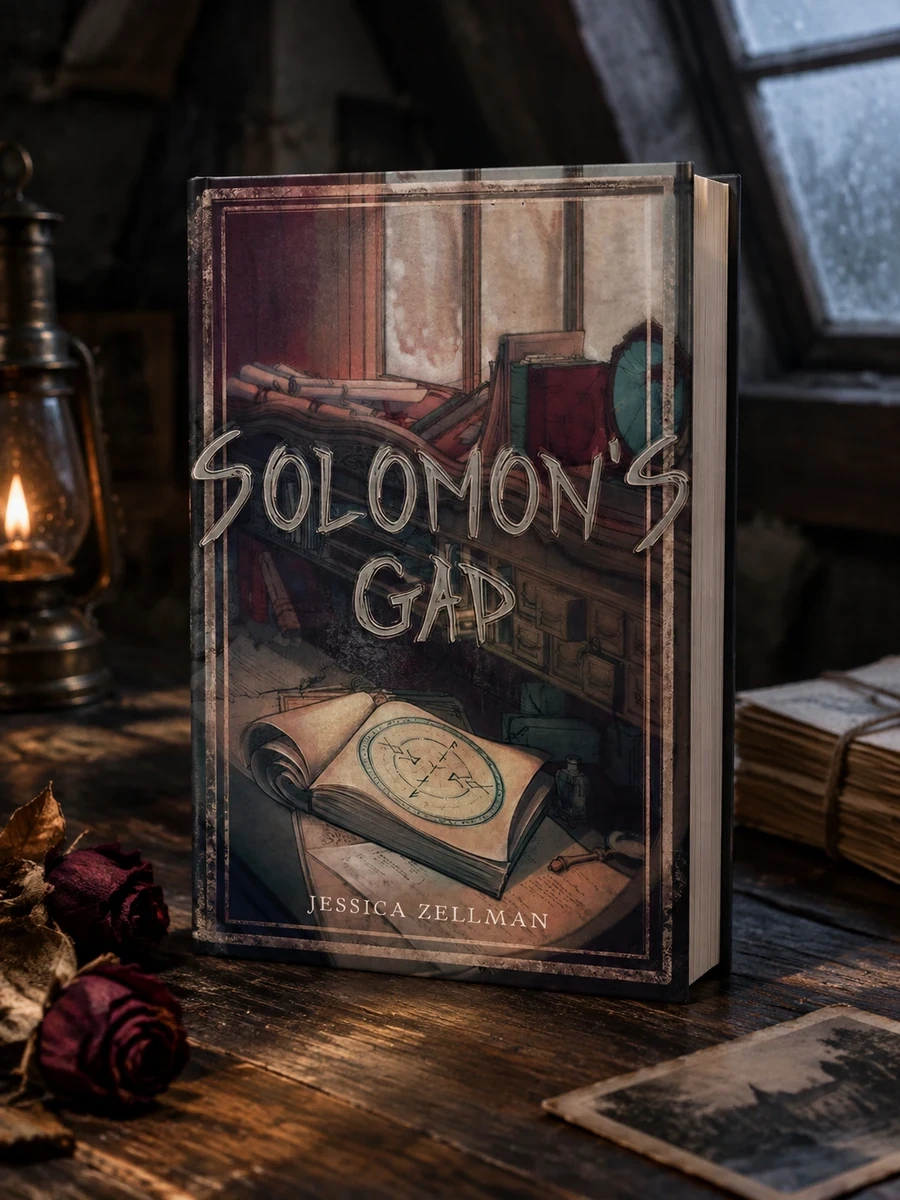
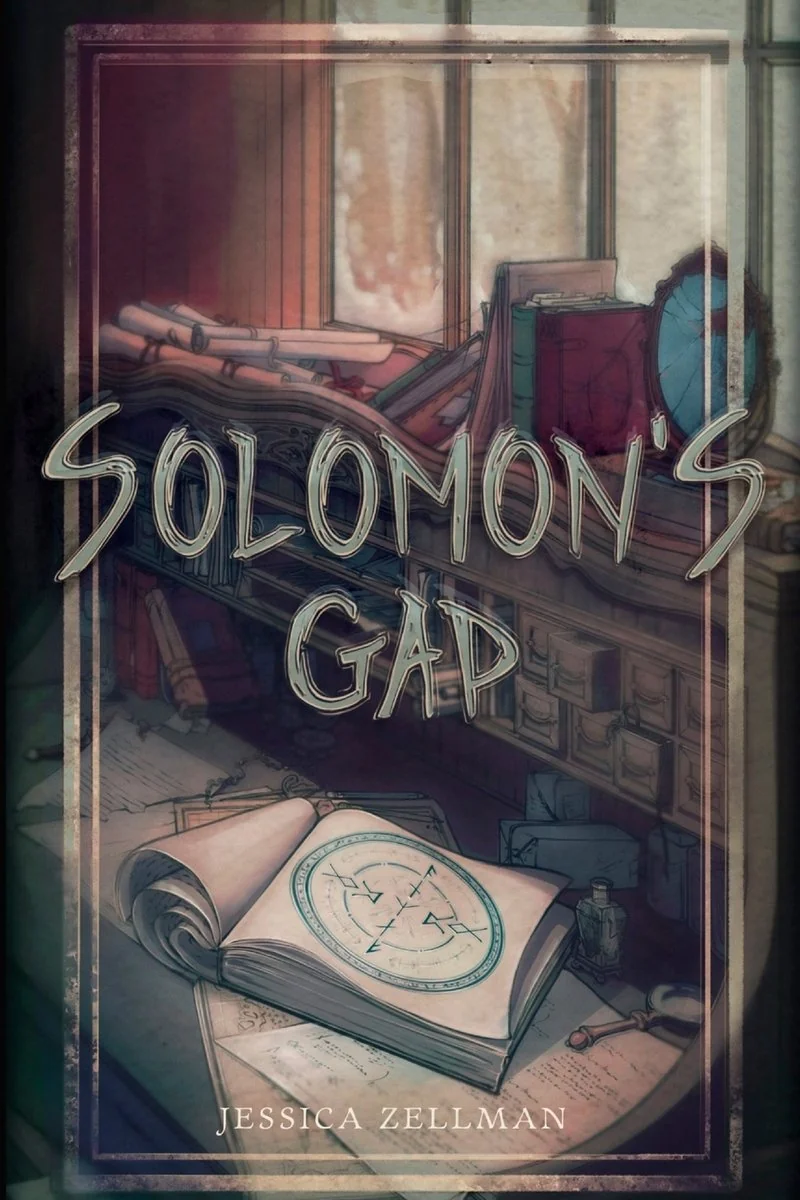
Solomon's Gap
A woman decodes her aunt's folklore warnings to stop monsters from a burning mountain.
This work examines the intersection of personal grief and supernatural duty. Lou’s journey is not about solving a mystery but surviving an active threat. The narrative relies on the specific lore of Viking Runes and the Wild Hunt rather than generic ghost stories. Zellman uses the setting of Solomon's Gap to ground these elements in a tangible Pennsylvania landscape. The book appeals to fans of gothic fiction who appreciate detailed mythological references. It does not offer easy resolutions or safe havens for its characters.
The story is set in a small Pennsylvania town called Solomon's Gap. It blends American gothic traditions with Norse mythology. The narrative draws on folklore about devils and buried monsters. This context places the work within contemporary supernatural fiction that reinterprets old tales for modern fears.


📝 Description: Solomon's Gap
💎 Our verdict on Solomon's Gap
📖 Why choose it
Why this book is worth reading
Readers seeking a horror experience that prioritizes atmospheric tension and mythological depth over conventional mystery-solving will find this compelling. It appeals to those who appreciate how personal grief intersects with supernatural duty, creating a narrative where the past actively threatens the present. The book is ideal for fans of detailed Norse references and Viking Runes integrated into a grounded setting. Those who enjoy stories where fairy tales transform into dangerous reality, rather than offering safe havens or easy resolutions, will gain much from Lou’s struggle against entities escaping a burning mountain.
⭐ Reader reviews
Reader rating
Zellman effectively constructs a narrative where folklore is not merely decorative but essential for survival. The integration of Viking Runes and Wild Hunt lore within a Pennsylvania setting creates a unique blend of cosmic and psychological horror. The focus remains on Lou’s internal and external struggle rather than solving a traditional mystery, which suits readers who prefer active threats over intellectual puzzles. While the lack of easy resolution may frustrate some, it reinforces the grim tone appropriate for the genre. It stands out for its specific mythological grounding and refusal to offer comfort.
You might also like
See more →







Have a question about this item?
Ask about the edition, condition, delivery or anything else — we reply by email or phone, usually within a day.
