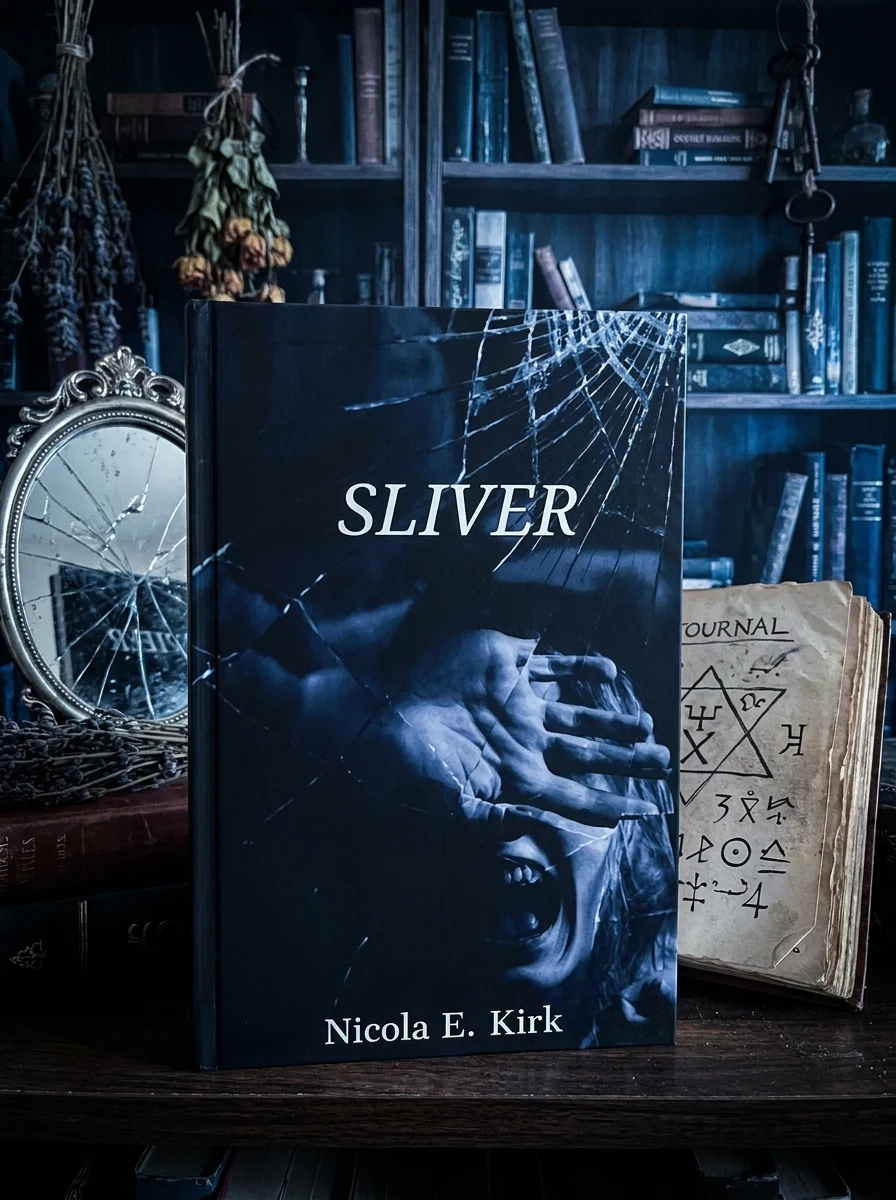
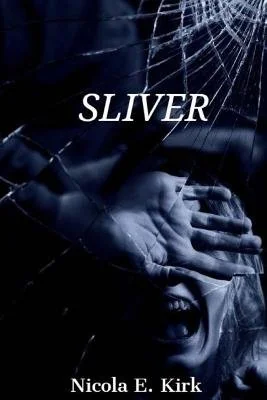
Sliver
A widowed woman faces an ancient evil hunting her soul in a new home.
Grace Deacon moves into a house after losing her husband, only to discover she is being hunted by a terrifying myth made real. The entity wants her soul and wills her to call its name. A previous tenant's death reveals the danger lurking within the walls. Kirk writes a story where the protagonist must survive a cat and mouse game with an insidious force. The narrative focuses on her shattered life and the sinister presence watching her every move. This is a work of supernatural fiction that blends personal loss with external horror.
Published in 2018 by Createspace Independent Publishing Platform, this novel sits within the contemporary American market for horror and gothic fiction. It appeals to readers interested in supernatural tales of personal loss and malevolent entities targeting vulnerable individuals.


📝 Description: Sliver
💎 Our verdict on Sliver
📖 Why choose it
Why this book is worth reading
Readers seeking a blend of supernatural thriller and emotional depth will find value in this narrative. The story appeals to those who enjoy exploring the intersection of grief and horror, as it uses an external threat to mirror internal pain. Fans of haunted house tropes that prioritize psychological tension over gore will appreciate the cat-and-mouse dynamic. It is ideal for audiences interested in how trauma can make one vulnerable to unseen dangers. Those who prefer atmospheric dread and the classic structure of a protagonist fighting an insidious force against the odds will find this engaging. The focus on a widowed woman’s struggle offers a poignant layer to the standard genre formula, making it suitable for readers wanting more than just scares.
⭐ Reader reviews
Reader rating
Kirk effectively constructs a tense atmosphere where personal loss amplifies supernatural fear. The narrative succeeds in making the entity feel insidious through its psychological manipulation rather than mere physical threat. Grace’s journey from widowed isolation to desperate survival provides a compelling emotional core. The pacing of the cat-and-mouse game keeps the reader engaged as the danger escalates. This work is best suited for devotees of gothic horror and psychological thrillers who appreciate stories where the home itself becomes a character. It may not satisfy those seeking lighthearted entertainment or factual accounts of hauntings, but it delivers a solid fictional experience. The integration of grief with traditional horror elements creates a distinct tone that resonates with fans of dark, introspective fiction.