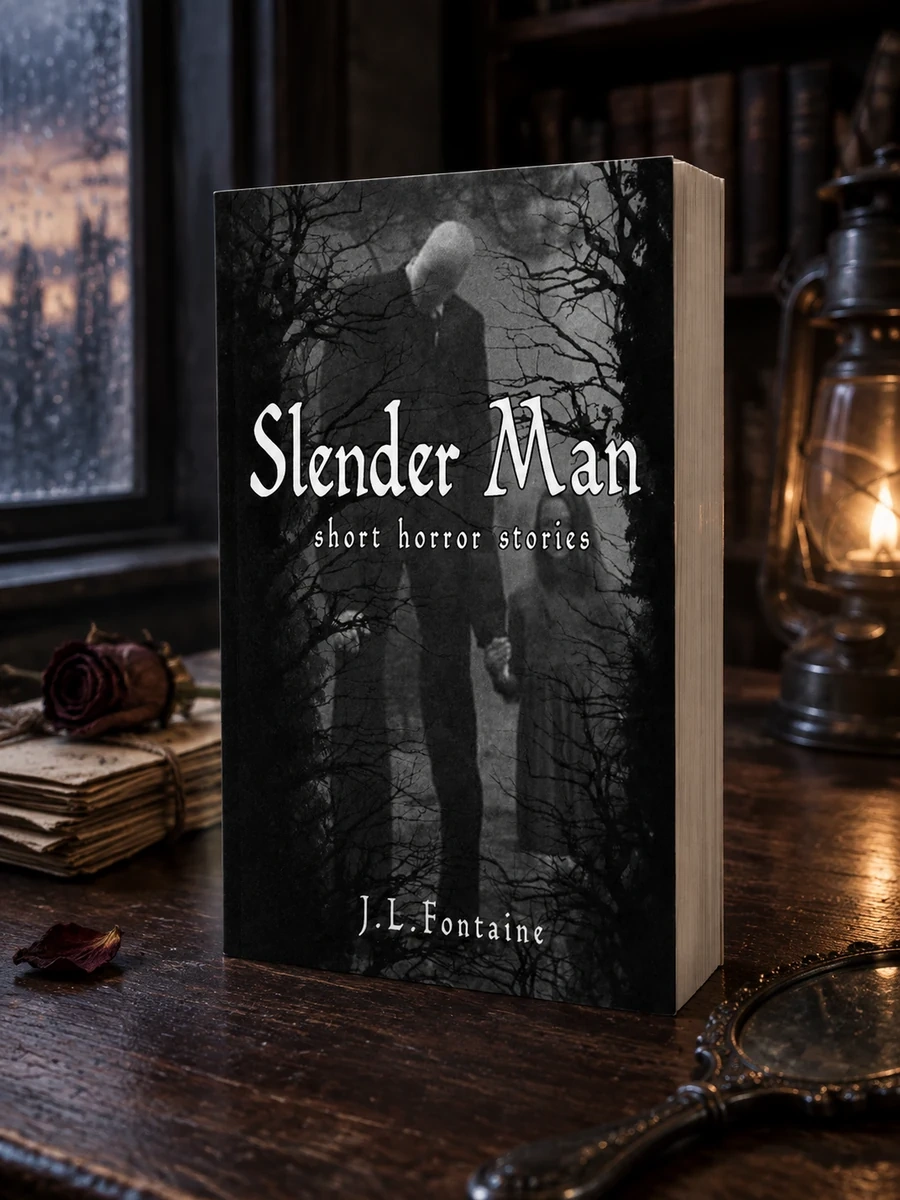
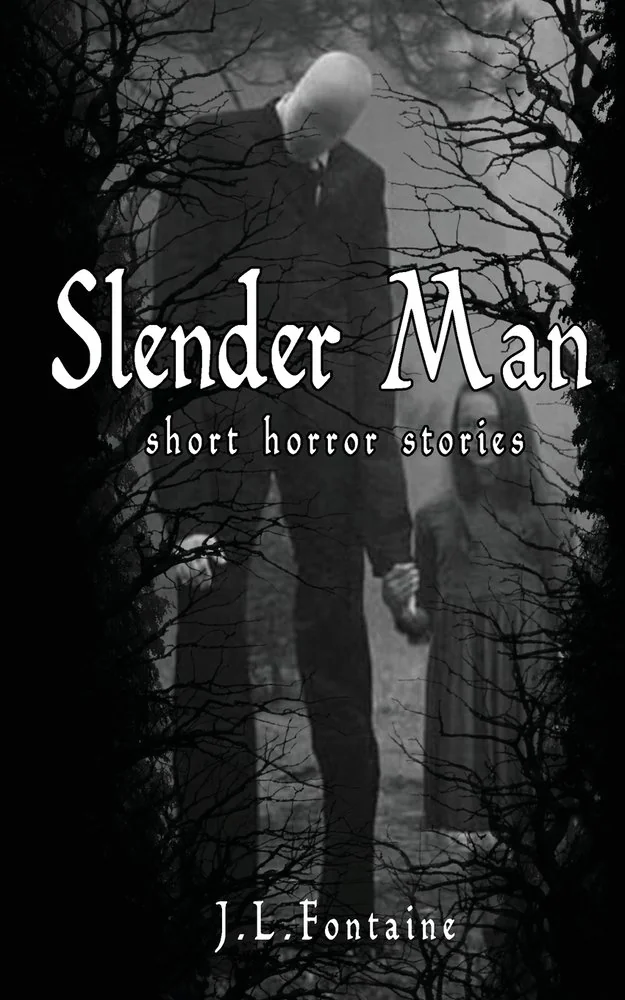
Slender Man: short Horror stories
A short story collection exploring the terrifying legend of the Slender Man.
The narrative tracks a group of friends investigating an abandoned structure for clues or artifacts. They discover mundane items like old computers, which contrasts sharply with the supernatural events that follow. Lisa’s discovery of a faceless entity shifts the tone from exploration to pure terror. The presence of gassy shadows and the tall figure creates a sense of immediate danger. Scott’s earlier fears are validated by the reality of the threat. The story utilizes the setting of a decaying building to enhance the feeling of isolation and dread experienced by the characters.
Published in 2017, this work engages with the modern internet-born urban legend of Slender Man. It reflects the contemporary interest in digital folklore and collaborative storytelling traditions that have influenced recent horror literature. The text bridges online mythos with traditional short fiction formats.


📝 Description: Slender Man: short Horror stories
💎 Our verdict on Slender Man: short Horror stories
📖 Why choose it
Why this book is worth reading
Readers who are fascinated by the evolution of urban legends and the mechanics of modern folklore will find this collection compelling. It offers a direct, visceral encounter with the faceless entity that has become a staple of contemporary horror culture. The narrative focuses on immediate suspense and visual imagery rather than complex character studies, making it accessible for those seeking pure terror. Fans of creature features and psychological dread will appreciate how the author utilizes settings like decaying buildings to amplify isolation. It is ideal for audiences who enjoy short, intense bursts of fear derived from the unknown and the uncanny valley, providing a quick but potent dose of anxiety without requiring deep historical context or literary analysis.
⭐ Reader reviews
Reader rating
Fontaine effectively harnesses the iconic dread associated with the Slender Man legend, transforming a digital myth into tangible narrative tension. The collection excels in creating atmosphere through the contrast between mundane office supplies and supernatural gassy shadows, enhancing the sense of isolation within decaying structures. While it does not aim for complex character development or historical gothic depth, it succeeds in delivering immediate, visual horror that appeals to fans of creature features. The pacing shifts sharply from exploration to panic, validating earlier fears through direct confrontation with the faceless threat. This book is best suited for readers who prioritize suspense and atmospheric dread over literary nuance, offering a focused experience within the realm of modern folklore and psychological horror.