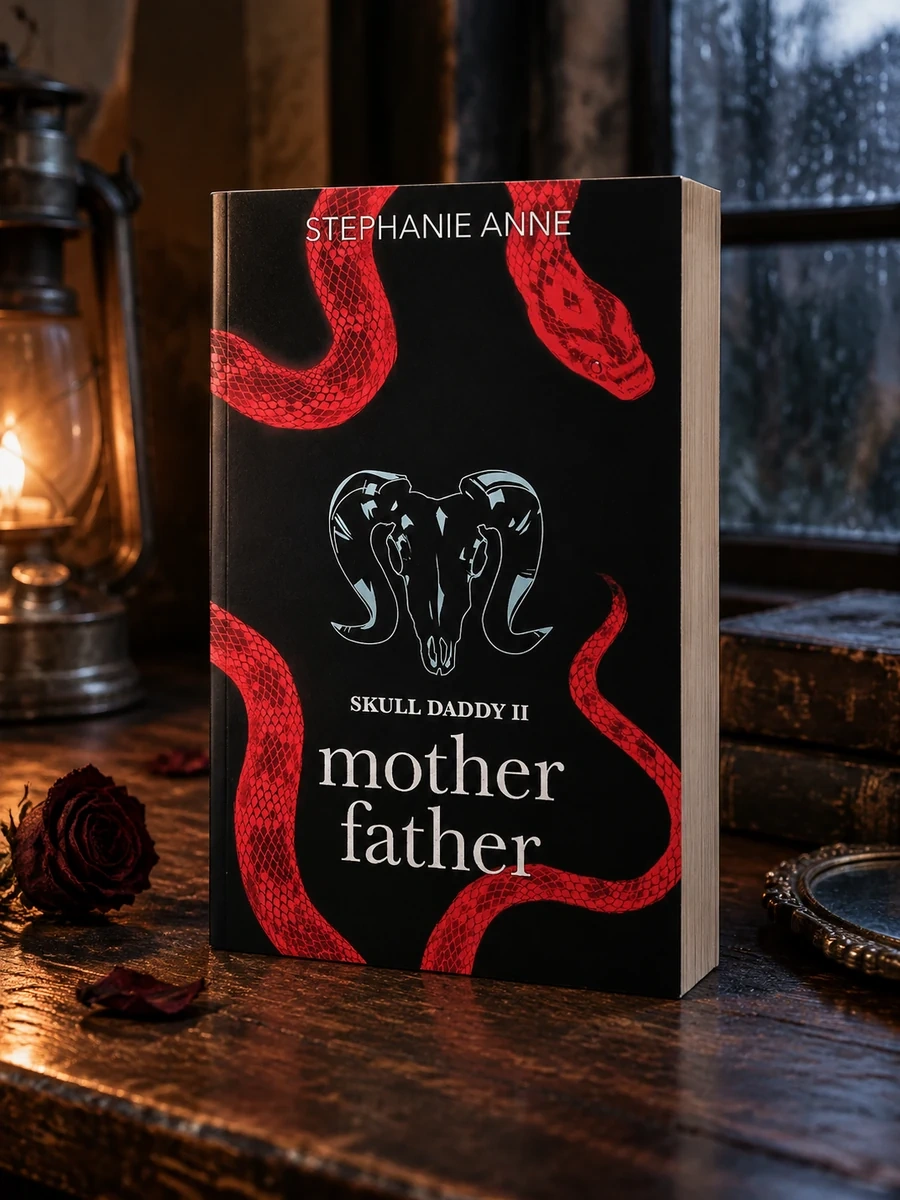
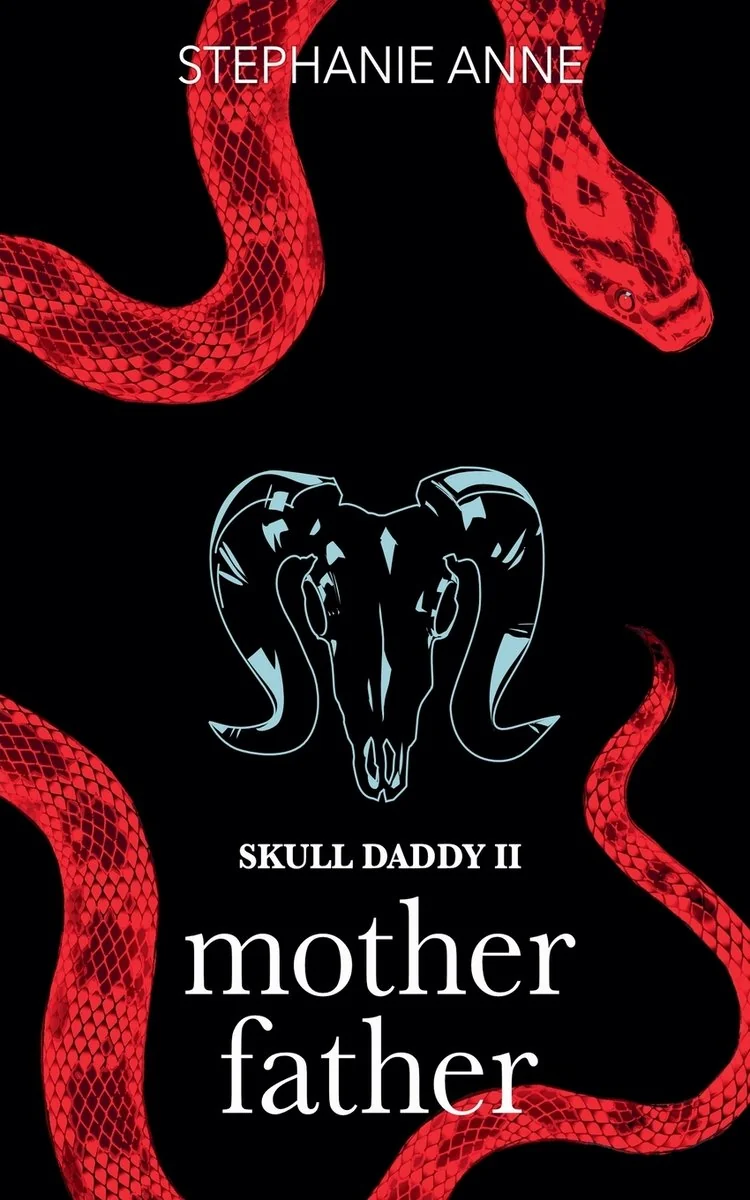
Skull Daddy II: Mother/Father
A couple rents their basement to a mysterious tenant while struggling with infertility.
The book focuses on the intersection of economic hardship and reproductive longing. Addy and Everett’s journey is not one of simple haunting but of difficult choices driven by biological and financial urgency. Olive acts as a catalyst for chaos, bringing disorder into their carefully managed space. The story questions whether the desire for parenthood can justify inviting danger into one’s home. It is a tale of consequences where the supernatural serves as a metaphor for internal despair.
This 2026 publication by Stephanie Anne addresses modern American anxieties regarding housing costs and family planning. It situates itself within the contemporary horror genre, using domestic settings to explore personal fears rather than historical folklore or gothic traditions.


📝 Description: Skull Daddy II: Mother/Father
💎 Our verdict on Skull Daddy II: Mother/Father
📖 Why choose it
Why this book is worth reading
Readers who appreciate horror that delves into the murky intersection of economic desperation and biological longing will find this narrative compelling. It offers a nuanced exploration of how financial strain exacerbates the pain of infertility, creating a fertile ground for dread. The story appeals to those interested in complex character dynamics where moral boundaries are tested by necessity rather than malice. Those who enjoy psychological horror that relies on gradual tension and the deterioration of domestic stability will gain much from this text. It is ideal for audiences seeking a metaphorical treatment of despair, where the supernatural serves as an extension of internal conflict. The book provides a thought-provoking examination of the choices made when hope collides with harsh reality.
⭐ Reader reviews
Reader rating
Stephanie Anne delivers a potent domestic horror narrative that effectively utilizes the basement rental trope to explore deep-seated anxieties about parenthood and poverty. The protagonist Addy’s journey is portrayed with psychological depth, highlighting the corrosive nature of desperation without resorting to cheap shocks. Olive functions as an excellent catalyst for chaos, disrupting the couple’s fragile equilibrium in ways that feel both inevitable and terrifying. The text excels in its moral ambiguity, refusing to offer simple answers regarding the ethics of such choices. While it lacks the immediate thrills of traditional ghost stories, its strength lies in the slow-burn tension and the realistic depiction of financial pressure. This is a sophisticated entry for fans of character-driven horror who value atmosphere and thematic resonance over visceral gore.
📖 Read on the blog
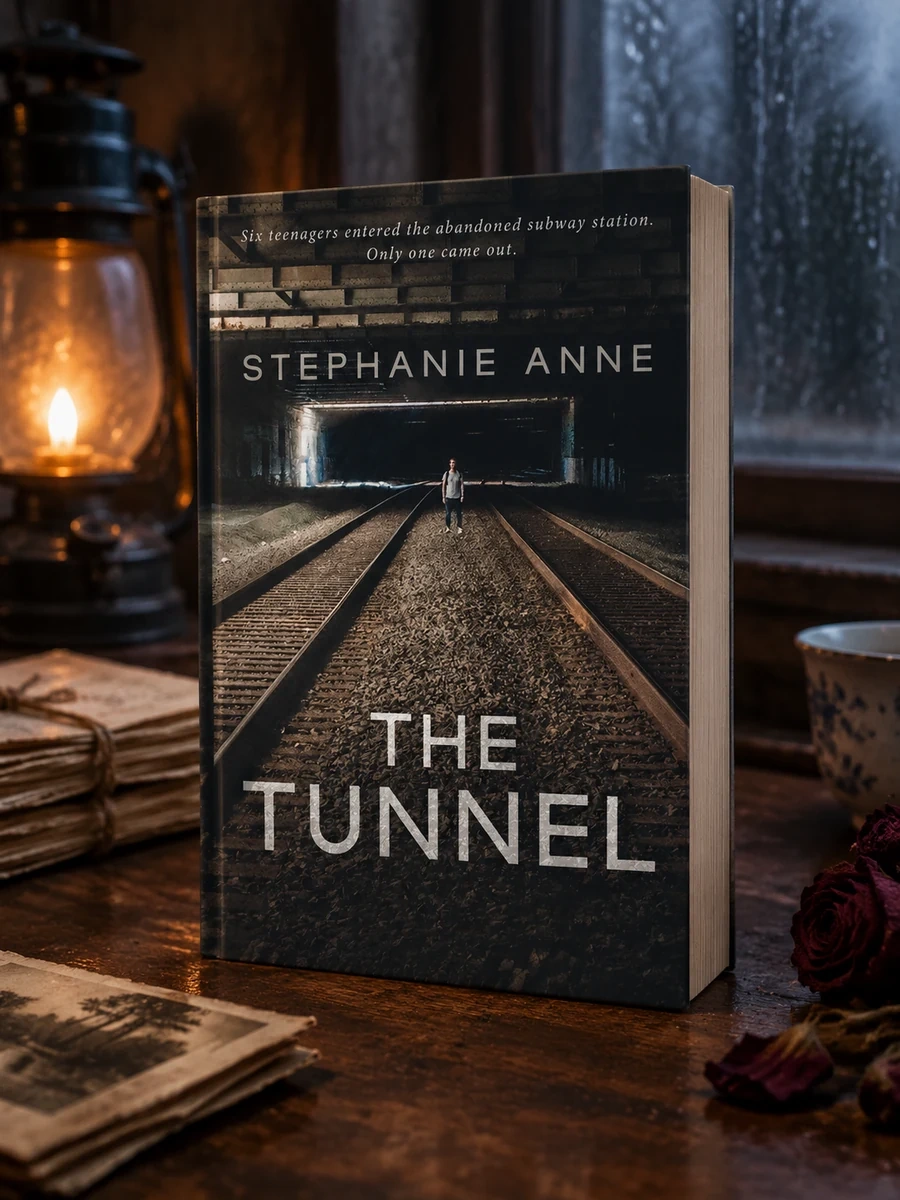
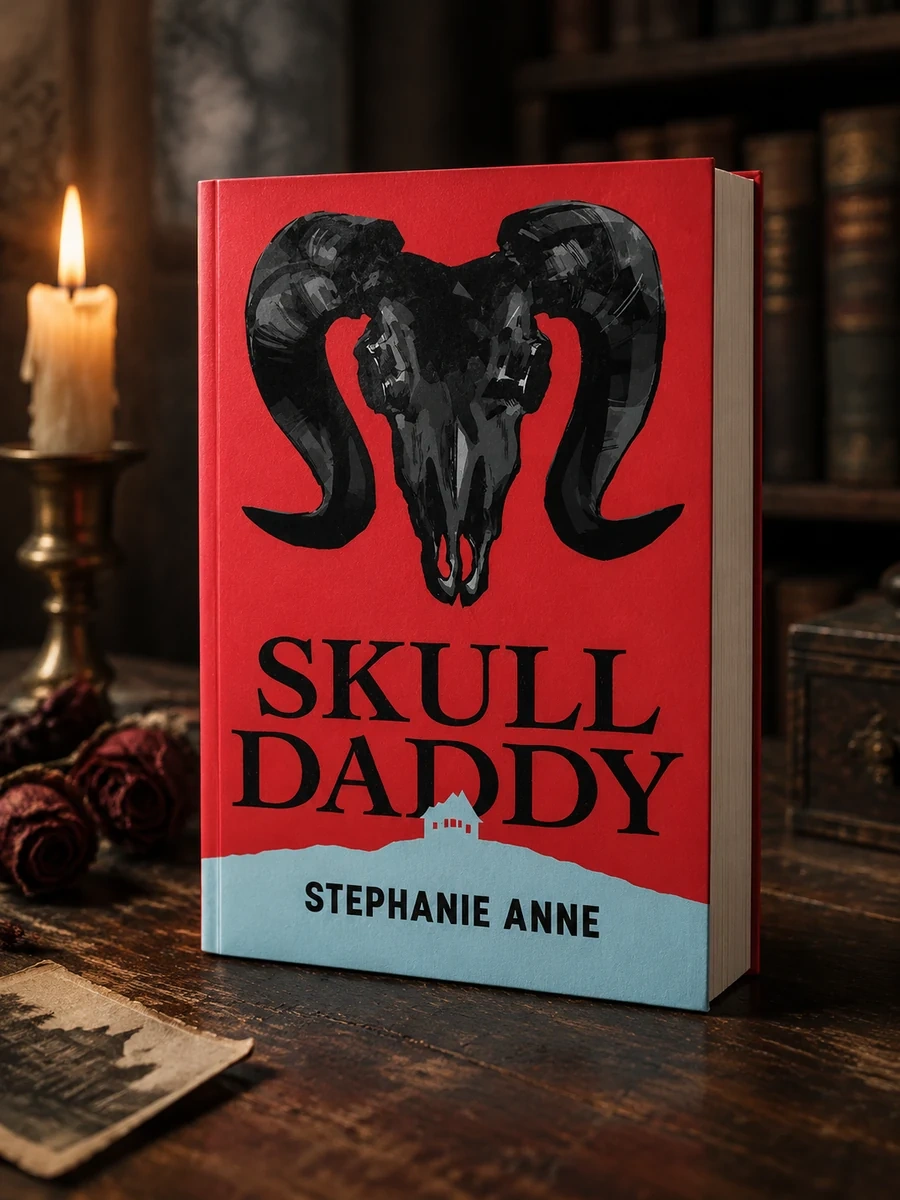
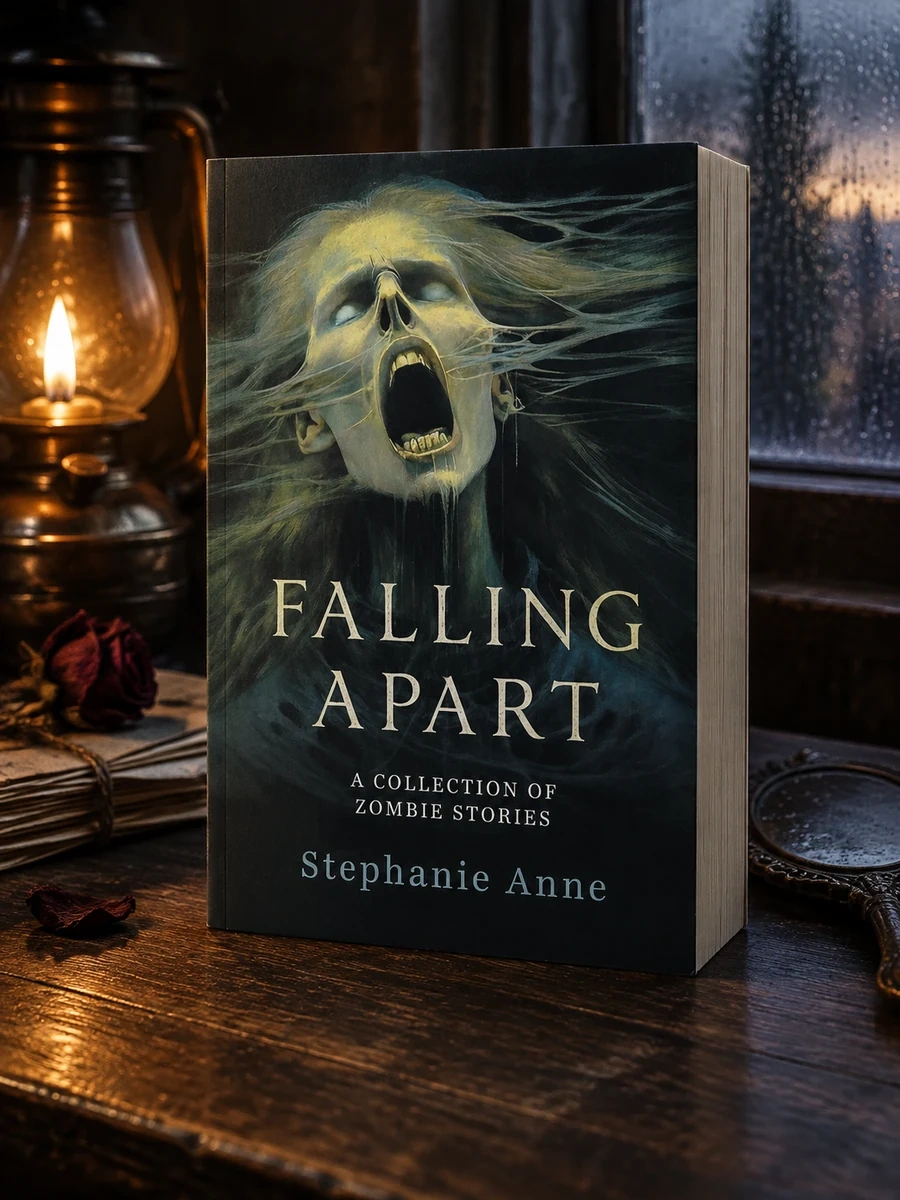
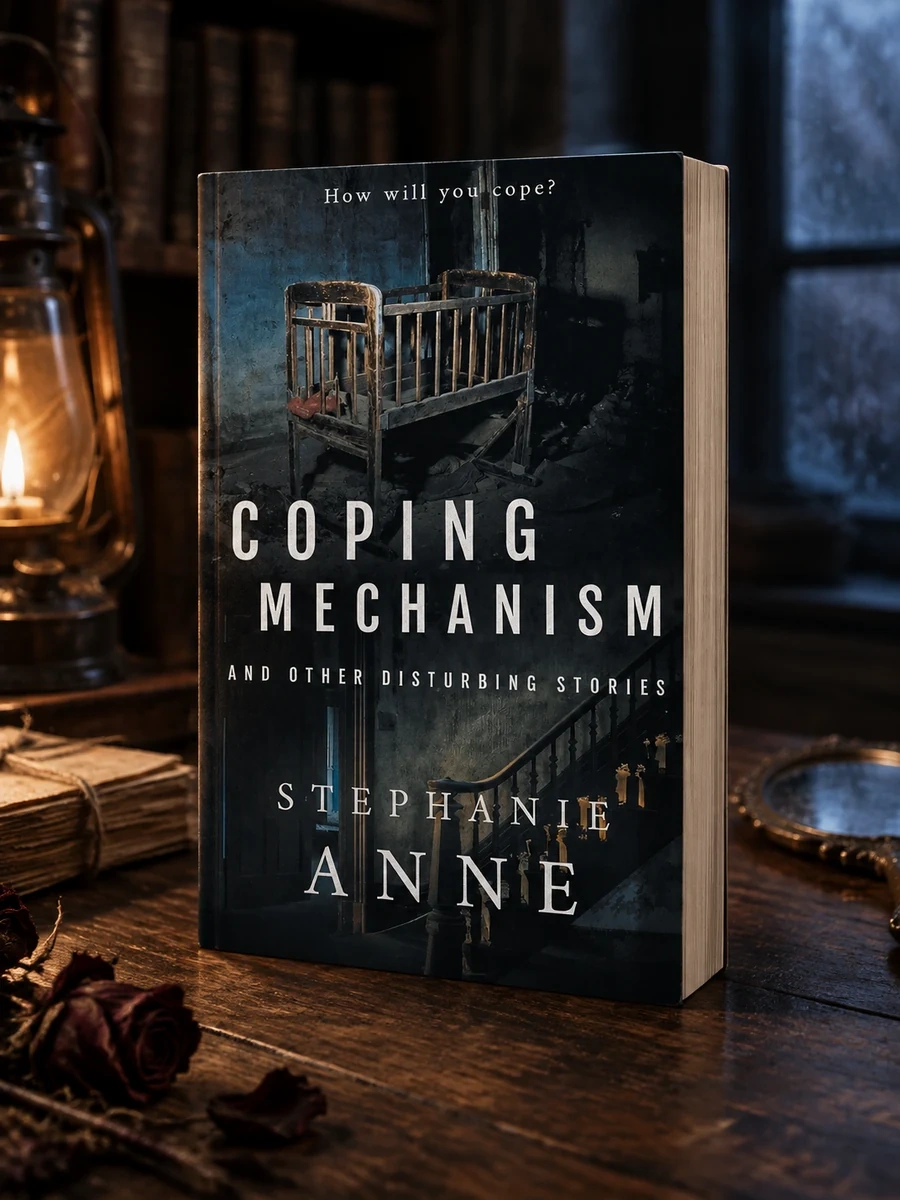
✍️ More books by this author Stephanie Anne


🏛 Books from this publisher Stephanie Anne
You might also like
See more →



Have a question about this item?
Ask about the edition, condition, delivery or anything else — we reply by email or phone, usually within a day.
