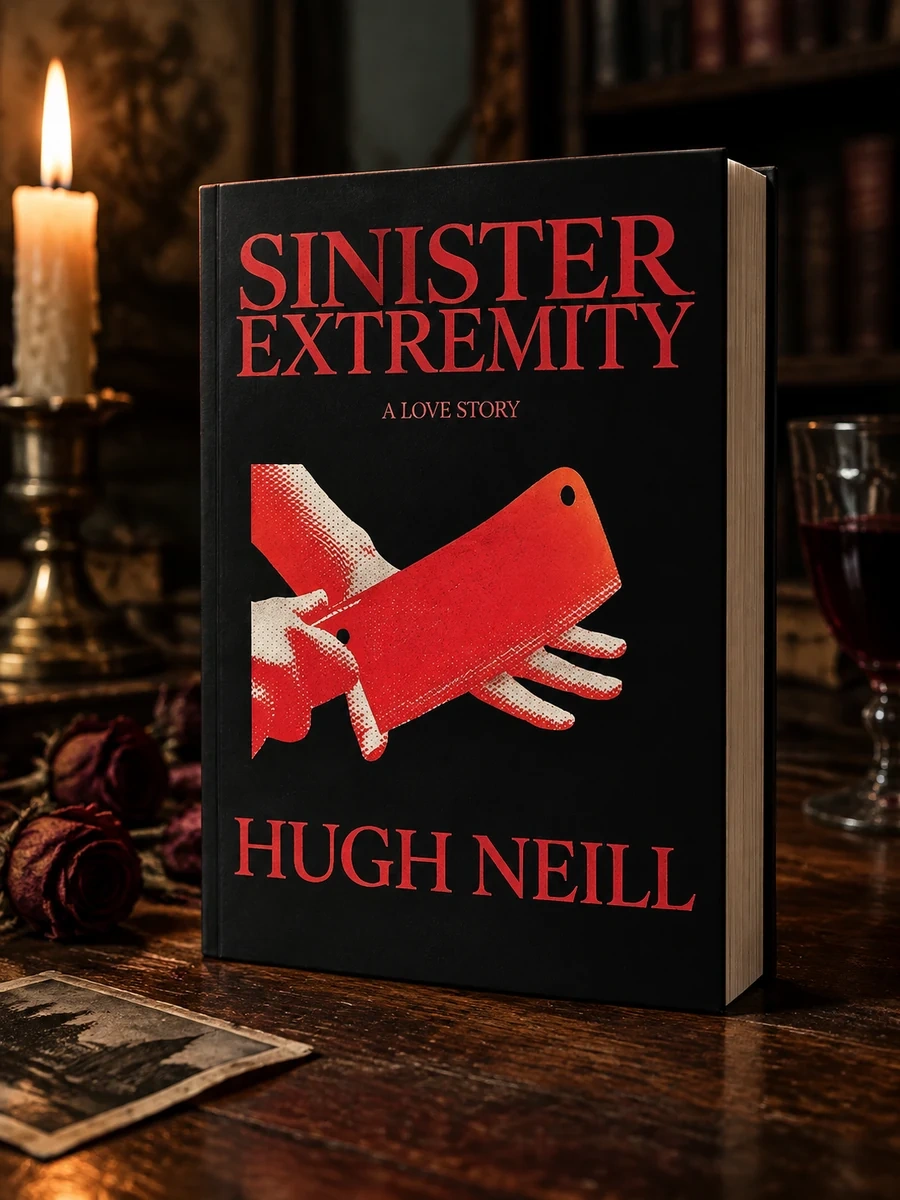
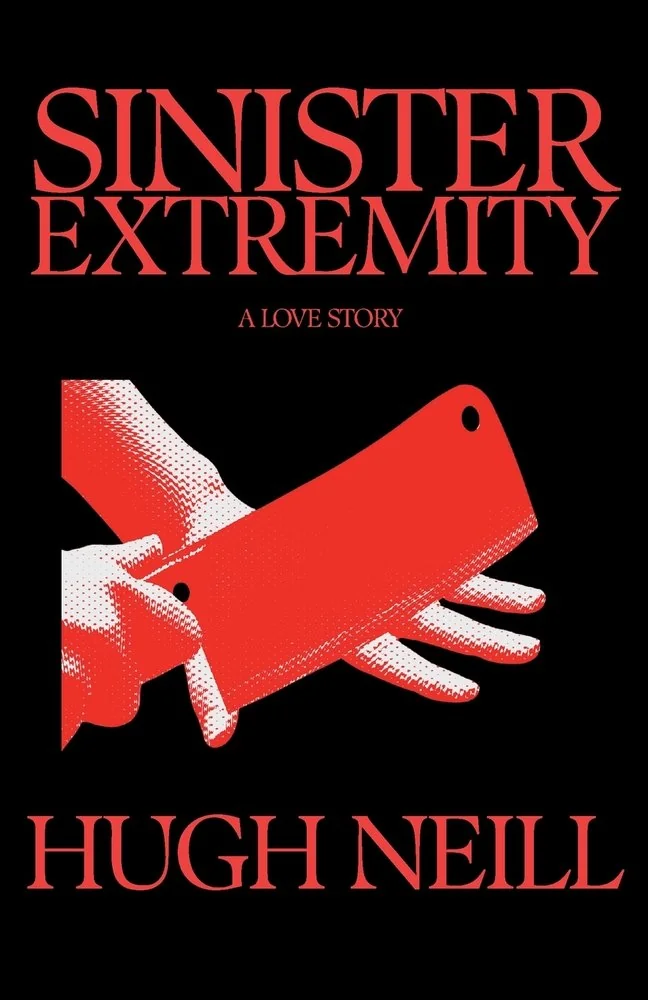
Sinister Extremity: A Love Story
A grotesque tale of a man losing his hand at work and fighting to get it back.
The story examines the intersection of bodily integrity and economic necessity. Griffin Batt’s repeated self-amputation becomes a metaphor for the disposability of workers in a gig economy. Neill uses this extreme premise to critique corporate structures that demand constant sacrifice from employees. The narrative does not offer easy solutions but instead presents a stark view of survival strategies available to those without stable income. Readers encounter a world where physical loss is normalized as part of the job description, challenging perceptions of professional duty and personal cost.
Published by Castellated Press in 2025, this work sits within contemporary horror fiction. It reflects current anxieties about job security and the precarity of modern labor markets through a lens of supernatural exaggeration.


📝 Description: Sinister Extremity: A Love Story
💎 Our verdict on Sinister Extremity: A Love Story
📖 Why choose it
Why this book is worth reading
Readers seeking surreal narratives and dark humor will find this title compelling for its stark critique of corporate structures. It appeals to those interested in the disposability of workers within a gig economy, offering a visceral exploration of survival strategies available to those without stable income. The book challenges perceptions of professional duty and personal cost by normalizing physical loss as part of the job description. It is ideal for audiences who enjoy grotesque tales that question the value of human parts within a capitalist framework, providing a thought-provoking look at modern work culture through extreme physical consequences rather than offering easy solutions or traditional romance.
⭐ Reader reviews
Reader rating
Hugh Neill crafts a bizarre and unsettling narrative centered on Griffin Batt’s ritualistic self-amputation, effectively using body horror to satirize labor exploitation. The story excels in its unflinching examination of bodily integrity versus economic necessity, presenting a grotesque corporate dystopia where physical sacrifice is normalized. While it lacks linear plotting or traditional romance, its strength lies in its dark humor and surreal approach to modern precarious employment. This work suits readers who appreciate challenging themes and stark views of survival. It is a provocative read for those willing to engage with difficult metaphors about professional duty and the absurdity of contemporary work culture without seeking comforting resolutions.
You might also like
See more →







Have a question about this item?
Ask about the edition, condition, delivery or anything else — we reply by email or phone, usually within a day.
