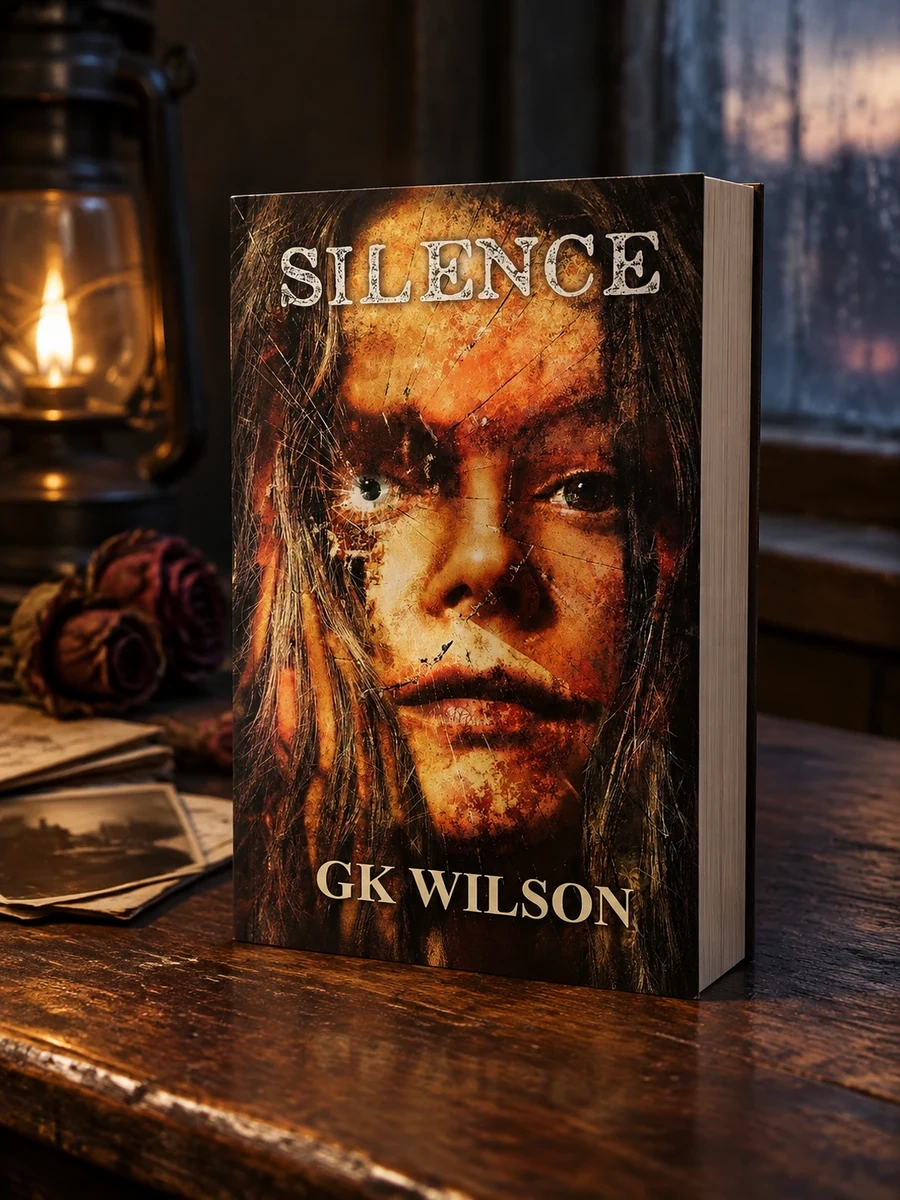

Silence
A mother and daughter face unexplained silence in a Deep Creek swamp.
The narrative follows Lindsey and Allie as they settle into Deep Creek, hoping for renewal. Their new home is near a tract of wet land known by folklore as Silence. The central mystery revolves around a pond in a nearby clearing that never ripples despite windy days. This unnatural stillness suggests the presence of entities beyond natural explanation. Wilson structures the story to highlight the contrast between the beautiful reflection of trees and sky and the oppressive quiet. The plot moves from the promise of a fresh start to the realization that the swamp holds threats more sinister than typical wildlife. The text relies on established local traditions to build its atmosphere without introducing new lore.
The story is set in the United States, specifically within the town of Deep Creek. It draws upon local traditions and the history of the first people who lived in the area. The narrative reflects American rural horror tropes involving isolated wetlands and unexplained natural phenomena.


📝 Description: Silence
💎 Our verdict on Silence
📖 Why choose it
Why this book is worth reading
Readers seeking a quick, atmospheric escape into the uncanny will find this story compelling. It offers a concentrated dose of rural unease without demanding extensive time investment. The narrative appeals to those who appreciate subtle dread over gore or complex plotting. Fans of folklore-based horror will enjoy how Wilson utilizes local traditions to build tension. The focus on environmental oddities, such as the unrippled pond, provides a unique sensory experience for lovers of psychological and cosmic horror. It is ideal for readers wanting a brief but potent encounter with the unknown, highlighting the fear of the natural world turning against its inhabitants through silence rather than noise.
⭐ Reader reviews
Reader rating
Wilson delivers a masterclass in concise atmospheric horror, using the absence of sound to create palpable tension. The contrast between the beautiful reflection and the oppressive quiet is handled with precision, establishing a deep sense of wrongness without explicit exposition. By focusing on the unnatural stillness of the swamp, the author taps into primal fears of isolation and unseen entities. This approach suits readers who prefer implied threats over graphic details. The story succeeds in its goal of providing a focused tale of rural unease, relying on established folklore to ground its supernatural elements. While it lacks extensive character development, its strength lies in its mood and setting, making it a worthwhile read for horror enthusiasts.