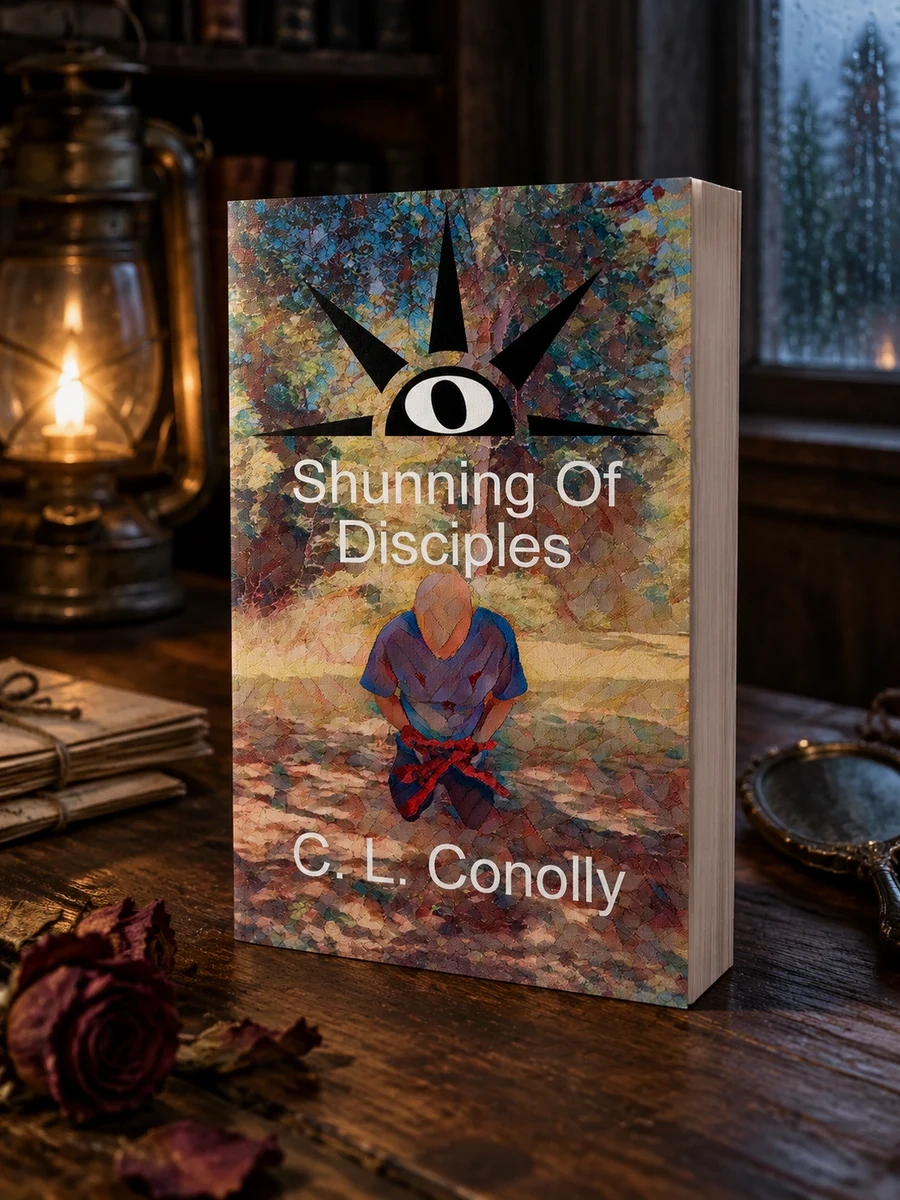
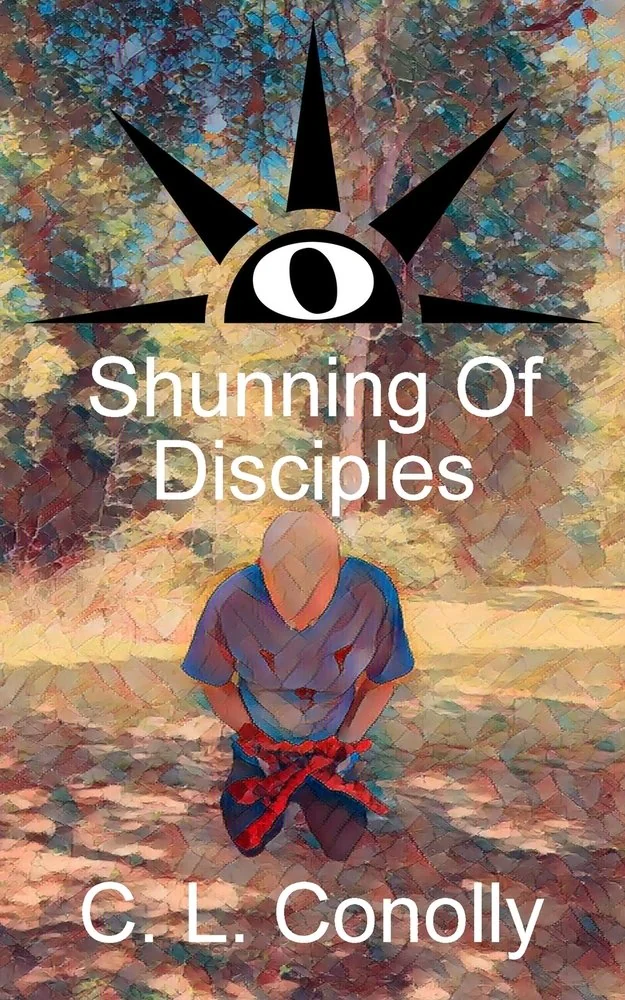
Shunning of Disciples
A story about order collapsing when outsiders breach the City of Disciples.
The narrative centers on Omegra’s efforts to keep disciples in line while Azril receives medical care. Beatrice and Guard exacerbate existing tensions during this vulnerable time. The lockdown prevents any new recruitment, highlighting the fragility of the city's systems. Conolly examines how quickly structure can fail when leadership is incapacitated. The plot moves toward a resolution where the leader must reassert authority. This work connects to themes of loyalty and institutional survival in a confined environment.
The story takes place in the City of Disciples, a fictional setting established for control. It draws on traditions of isolationist communities facing external threats. The narrative reflects periods of crisis management where safety protocols override normal operations.


📝 Description: Shunning of Disciples
💎 Our verdict on Shunning of Disciples
📖 Why choose it
Why this book is worth reading
Readers interested in the mechanics of societal breakdown and the psychological weight of leadership will find this narrative compelling. It offers a focused study on group dynamics, particularly how authority figures manage crisis when their power is compromised by illness or injury. The book suits those who prefer immediate character conflicts over expansive world-building, providing a tight exploration of loyalty and survival within a restrictive environment. Fans of stories where the setting itself acts as a pressure cooker for human drama will appreciate the intense focus on the struggle to maintain order amidst chaos.
⭐ Reader reviews
Reader rating
Conolly delivers a tense examination of institutional fragility, focusing on the breakdown of control when leadership is incapacitated. The narrative effectively highlights the tension between established order and external breaches, creating a claustrophobic atmosphere that drives the plot forward. While it lacks extensive historical context or detailed world-building, it compensates with sharp character conflicts and a clear exploration of power dynamics. This work is best suited for readers who enjoy psychological horror and stories about the collapse of rigid systems. It provides a concentrated look at how quickly structure can fail, making it an engaging read for those interested in the immediate stakes of leadership and survival within a confined setting.