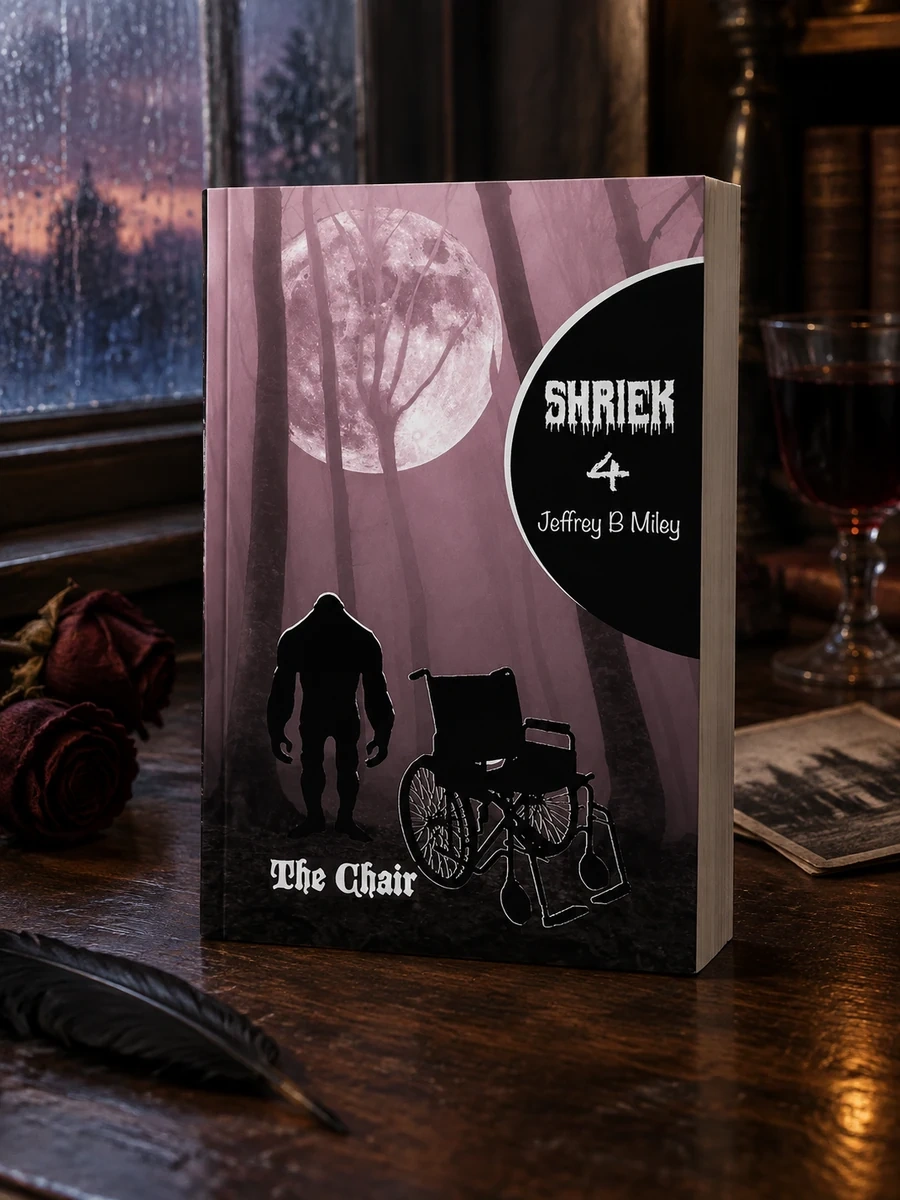
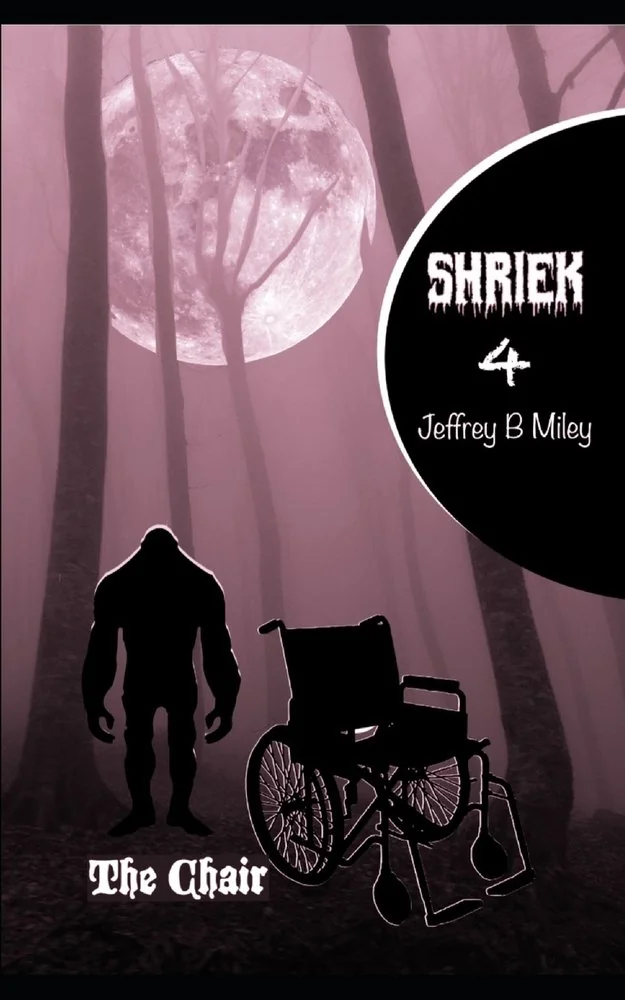
Shriek 4: The Chair
A wheelchair-bound warden leads a final stand against Bigfoot in western Pennsylvania.
This installment focuses on the strategic warfare between Warden Jeremy Cain and Professor Harold Slocum. Cain, though physically limited by a past gunshot wound, directs the human campaign against the creatures. Slocum disrupts these efforts by instructing the Bigfoot in new, lethal techniques. The plot tracks the dwindling crew as they attempt to survive this escalated conflict. The narrative questions the efficacy of heavy weaponry like helicopter chain guns in resolving the dispute. It asks if the woods can ever be safe or if the creatures will ultimately dominate the ecosystem.
This work sits within the tradition of American creature horror fiction. It draws on the folklore of Bigfoot in western Pennsylvania. The narrative treats the mythical beast as a tangible military threat rather than a legend.


📝 Description: Shriek 4: The Chair
💎 Our verdict on Shriek 4: The Chair
📖 Why choose it
Why this book is worth reading
Readers who crave relentless, action-oriented supernatural fiction will find this installment compelling. It specifically appeals to those interested in tactical survival stories where military-style responses are deployed against mythical entities. The narrative offers a focused look at the strategic warfare between humans and Bigfoot, highlighting the personal stakes of Warden Jeremy Cain despite his physical limitations. Fans of creature features who enjoy watching escalating conflicts in the woods will appreciate the detailed depiction of updated threats and the question of ecological dominance. It is ideal for audiences seeking a pace that is too fast for quiet atmospheric horror but perfect for those wanting to see how heavy weaponry fares against evolved, lethal opponents in a dense forest environment.
⭐ Reader reviews
Reader rating
Miley delivers a gritty continuation of the human versus Bigfoot conflict, focusing heavily on tactical engagement rather than psychological dread. The narrative excels at portraying the desperation of a dwindling crew facing increasingly dangerous, tactically aware creatures. While it lacks the depth of historical analysis or academic study, it succeeds as a visceral thrill ride for genre fans. The book is best suited for readers who prefer action-packed supernatural fiction over slow-burn horror. Those seeking atmospheric tension may find the relentless pace overwhelming, but enthusiasts of creature features will appreciate the clear stakes and the exploration of whether humanity can truly dominate its ecosystem through sheer firepower.