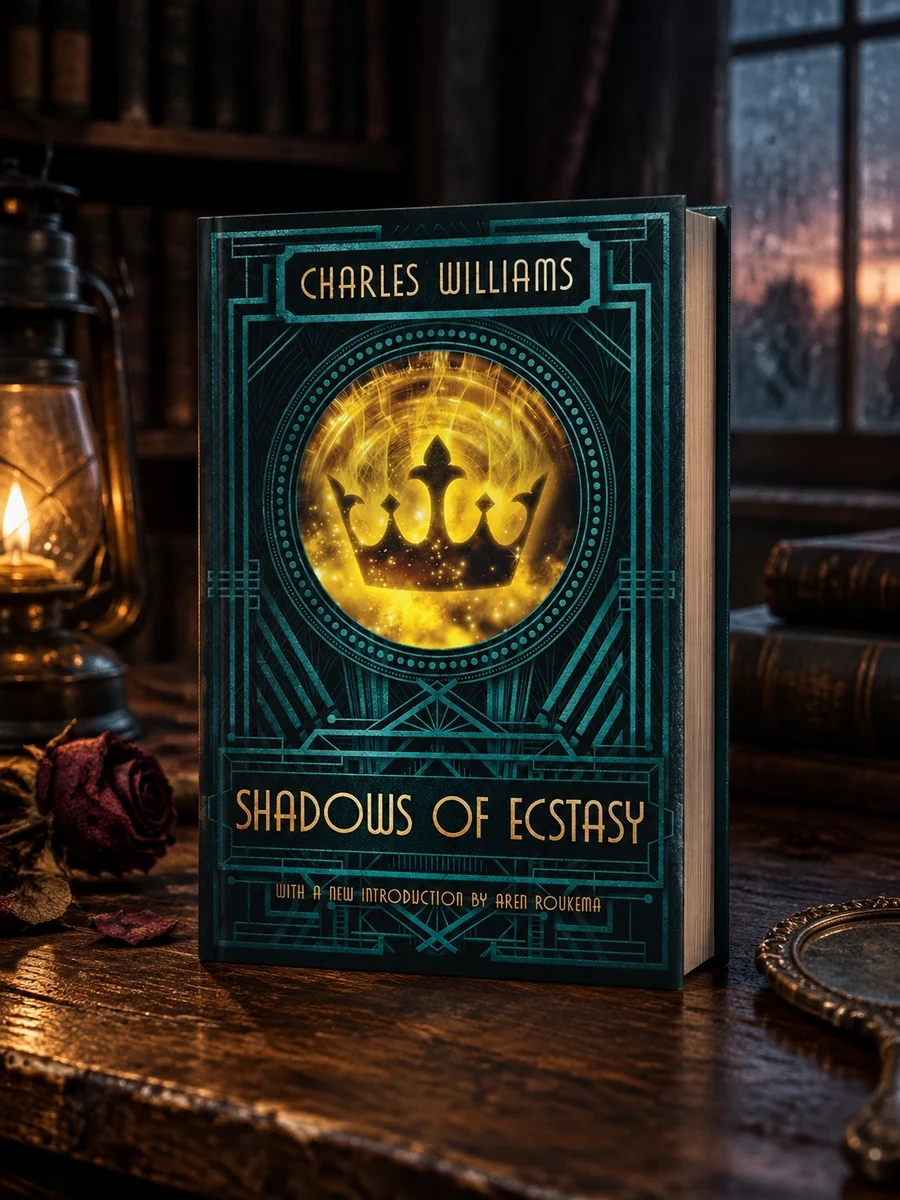
Shadows of Ecstasy
A novel about a figure named Nigel Considine seeking to conquer death itself.
The narrative centers on Nigel Considine, who inspires an African revolt against Europe. His goal transcends political power, targeting death itself. London observers struggle to categorize him as a leader, mystic, or religious figure. The tension arises from his growing influence over the continent and the resulting instability in England. Williams uses this premise to explore themes of spiritual authority and apocalyptic fear. The story does not provide easy resolutions for the characters' confusion.
Williams belonged to the Inklings, a society of writers in Oxford, England. This group included C.S. Lewis and J.R.R. Tolkien. They are known for their mythopoetic vision that influenced modern fantasy literature.


📝 Description: Shadows of Ecstasy
💎 Our verdict on Shadows of Ecstasy
📖 Why choose it
Why this book is worth reading
Readers who enjoy complex theological puzzles and gothic atmospheres will find this novel particularly rewarding. The story focuses on ideological warfare rather than simple physical combat, offering a chilling exploration of spiritual authority and apocalyptic fear. It is ideal for those intrigued by ambiguous roles and occultism, as the narrative refuses to provide easy resolutions or clear moral binaries. However, individuals seeking straightforward action or definitive answers may find the persistent ambiguity frustrating. This book suits audiences interested in the tension between mysticism and political power, inviting them to debate whether the central figure is a prophet, magician, or the antichrist without offering comforting closure.
⭐ Reader reviews
Reader rating
Charles Williams delivers a chilling narrative centered on Nigel Considine’s attempt to conquer death through an African revolt. The novel excels in creating a gothic atmosphere where London observers struggle to categorize this enigmatic High Executive. By examining ambiguous roles through occultism, the text invites deep engagement with themes of spiritual authority and apocalyptic dread. It is best suited for readers who appreciate complex theological puzzles and ideological warfare over traditional horror tropes. The lack of clear answers adds to its intrigue, making it a compelling choice for those willing to navigate confusion. While potentially frustrating for those desiring straightforward plots, the work remains a significant entry in supernatural fiction that challenges the reader’s perceptions of leadership and mysticism.
📖 Read on the blog
✍️ More books by this author Charles Williams
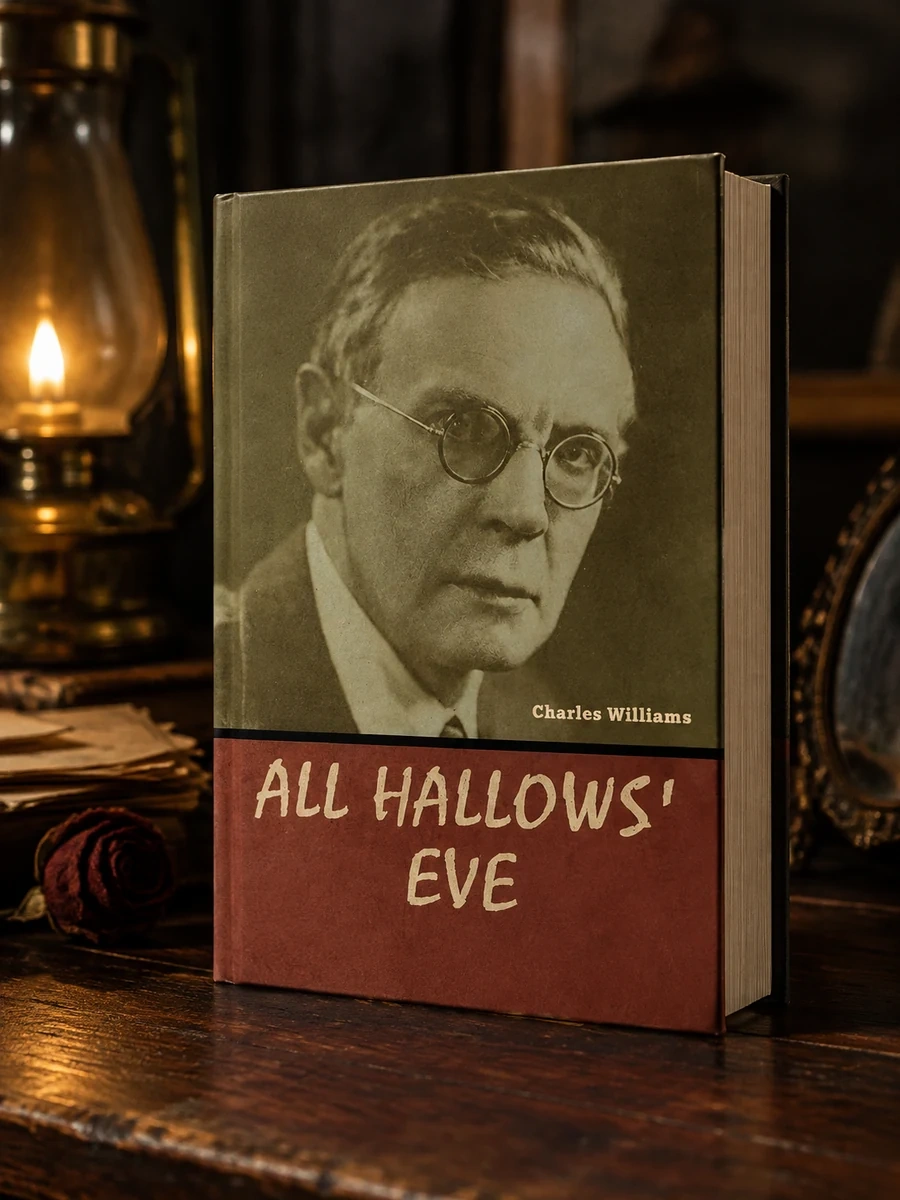


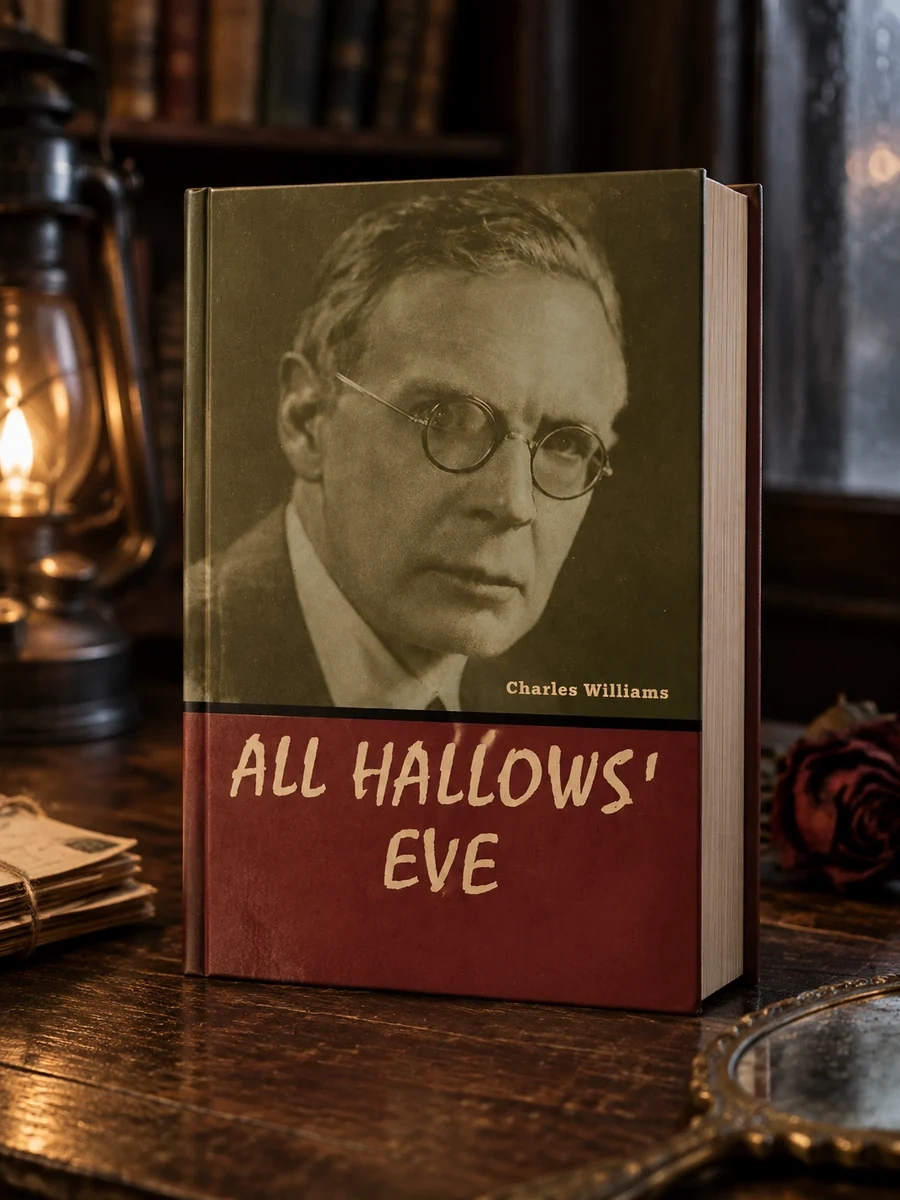
🏛 Books from this publisher Apocryphile Press
You might also like
See more →


Have a question about this item?
Ask about the edition, condition, delivery or anything else — we reply by email or phone, usually within a day.
