Shadows in the Garden: and Other Stories
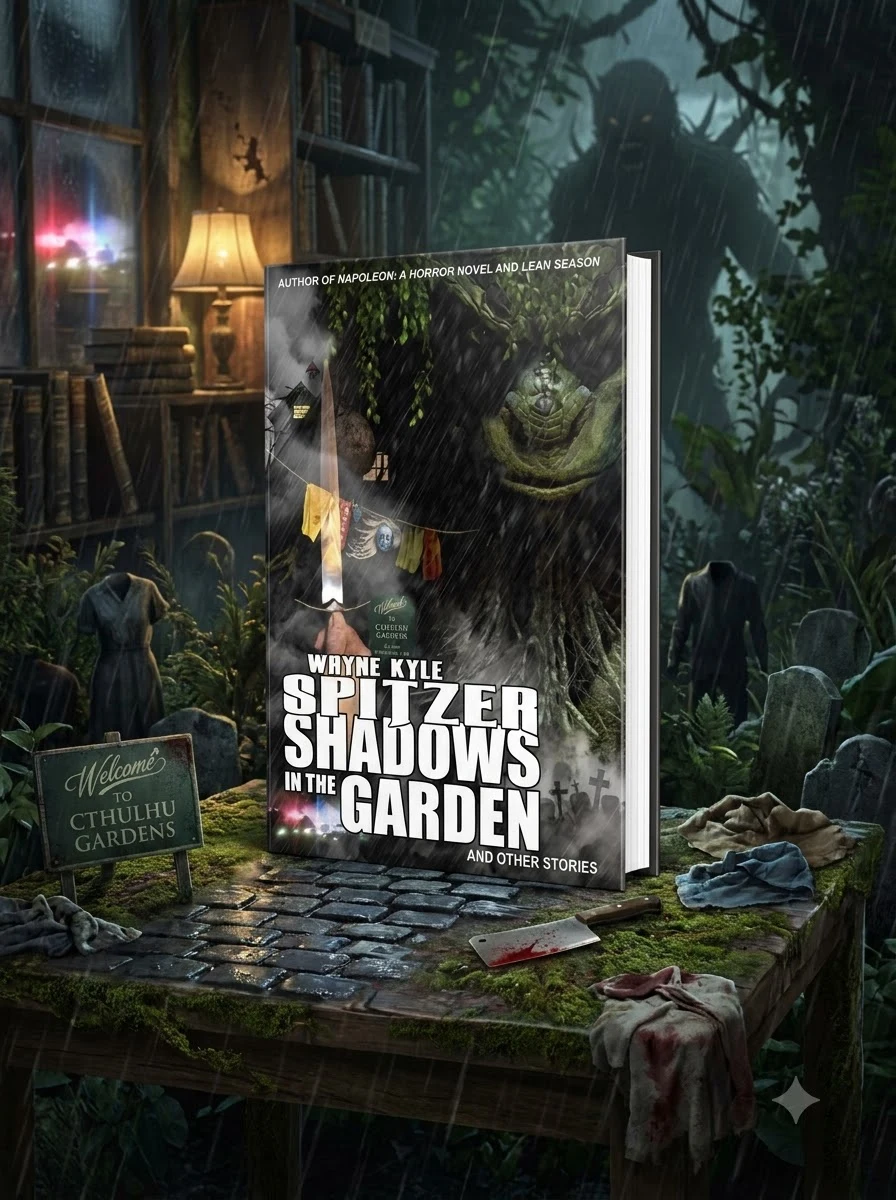
A collection of horror stories set in a coastal town plagued by a mysterious butcher and supernatural shadows.
Wayne Kyle Spitzer’s Shadows in the Garden explores the dark secrets of Cthulhu Gardens through a series of interconnected tales. The central conflict involves a butcher leaving decapitated corpses, threatening the town's stability and its sheriff. A new, monstrous entity emerges, mirroring the town itself. This collection examines themes of isolation, violence, and the supernatural. Spitzer uses gothic elements to create a chilling atmosphere. The stories are organized to gradually reveal the true nature of the threat. Readers will find a focus on psychological horror rather than jump scares. The narrative style is direct and unadorned, allowing the horror to speak for itself. This approach appeals to fans of traditional horror literature who value mood over plot twists.
Published in 2020 by Independently Published, this work sits within the contemporary independent horror market. It draws on gothic and supernatural fiction traditions, targeting American readers interested in small-town terror and classic monster lore.


📝 Description: Shadows in the Garden: and Other Stories
💎 Our verdict on Shadows in the Garden: and Other Stories
📖 Why choose it
Why this book is worth reading
Readers seeking atmospheric horror over fast-paced action will find value here. Fans of traditional horror literature who prioritize mood and psychological impact enjoy Spitzer’s unadorned prose style. Those interested in the intersection of human brutality and otherworldly terror appreciate the raw glimpse into fear. It suits those who like classic monster stories with a modern twist, offering visceral imagery without sensationalism. The book appeals to audiences who value isolation and vulnerability in narrative construction.
⭐ Reader reviews
Reader rating
Spitzer effectively constructs a chilling atmosphere through gothic elements and interconnected tales set in Cthulhu Gardens. The focus on psychological horror rather than jump scares creates a consistent tone of unease. By avoiding scientific explanations, the work maintains its supernatural integrity. The direct narrative style allows the horror to speak for itself, appealing to purists. While relying on established tropes, the collection succeeds in building tension through local lore and creeping dread. It is an engaging volume for those who appreciate visceral imagery and small-town secrets, offering a raw exploration of fear that feels both timeless and distinctly modern.