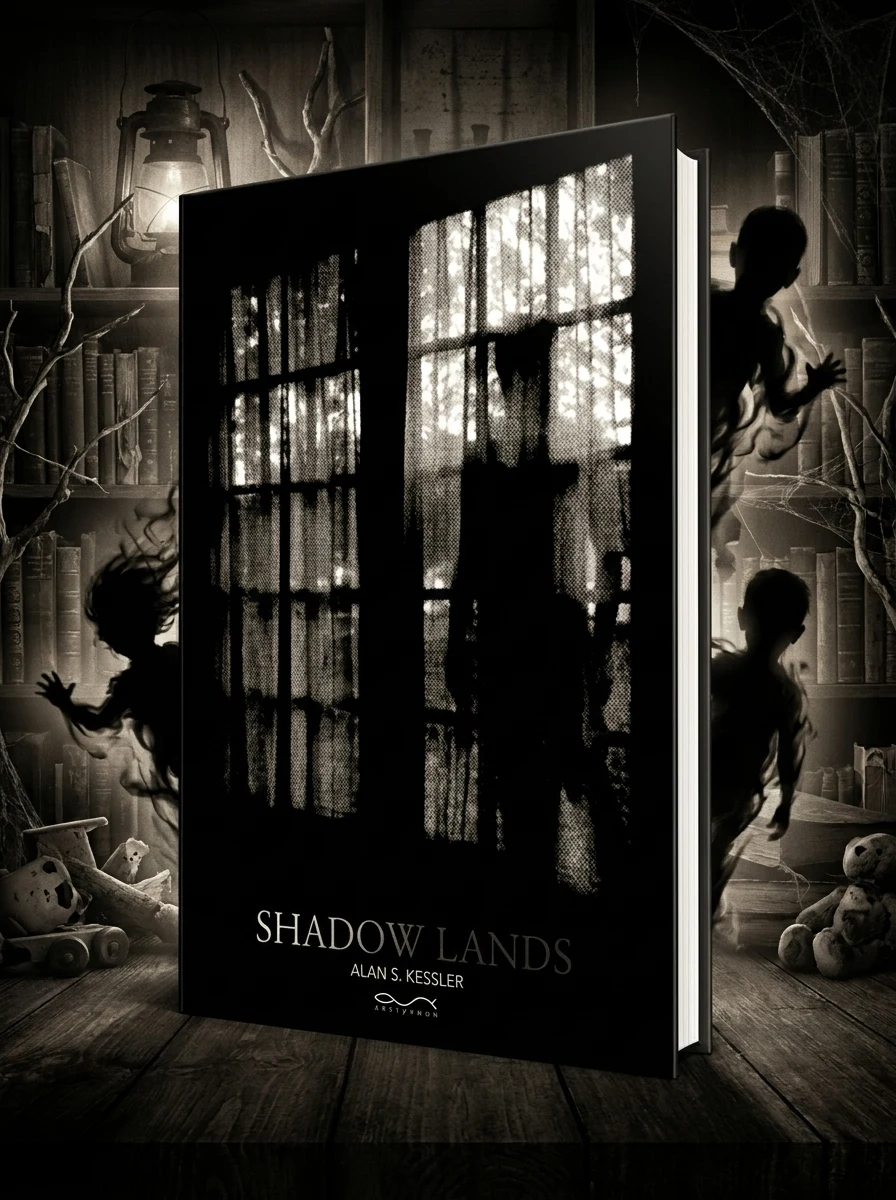
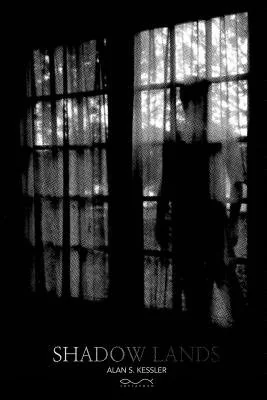
Shadow Lands
A psychological horror novel about a boy escaping abuse through an internal world of shadows.
Steve Goldblatt endures beatings and loss by creating a shadow world for escape. This internal landscape blurs the line between sanity and madness. The narrative focuses on his journey to summon love and exact revenge against those who harmed him. Kessler frames this as a study in the dark side of resiliency. The text asks readers to understand evil by living with those who made it. It is not a fantasy adventure but a serious look at trauma. The protagonist faces demons both outside himself and within his soul. The story demands empathy for the abuser to fully grasp the horror experienced by the victim. This approach creates a unique psychological landscape where survival requires embracing the very madness that protects him.
Published in 2013, this work sits within the tradition of speculative fiction and psychological horror. It draws on the genre's focus on internal landscapes and the masquerade of evil as familial love. The text challenges conventional views on judging evil by forcing readers to experience the abuser's perspective.


📝 Description: Shadow Lands
💎 Our verdict on Shadow Lands
📖 Why choose it
Why this book is worth reading
Readers seeking profound psychological depth and unflinching examinations of trauma will find this novel rewarding. It appeals to those interested in the dark side of human resiliency and the blurred lines between sanity and madness. The book offers a unique perspective that demands empathy for both victim and abuser, challenging conventional moral judgments. Those who appreciate serious speculative fiction over traditional monster hunts will value its stark look at survival. It is ideal for readers willing to engage with difficult themes and explore how abuse shapes identity, perception, and the capacity for revenge in a world where reality dissolves.
⭐ Reader reviews
Reader rating
Alan Steven Kessler’s Shadow Lands delivers a harrowing study of trauma through the lens of psychological horror. The narrative effectively blurs the boundary between reality and delusion, forcing readers to confront the internal landscape constructed by abuse. Kessler succeeds in creating a compelling traversal through madness without resorting to easy escapes or fantasy tropes. The work is best suited for serious readers interested in speculative fiction that explores endurance and the origins of evil. By demanding empathy for the abuser to understand the victim’s horror, it offers a challenging but rewarding experience. This is not a lighthearted tale but a stark examination of survival, making it a vital addition for fans of deep, character-driven psychological dread.
You might also like
See more →



Have a question about this item?
Ask about the edition, condition, delivery or anything else — we reply by email or phone, usually within a day.
