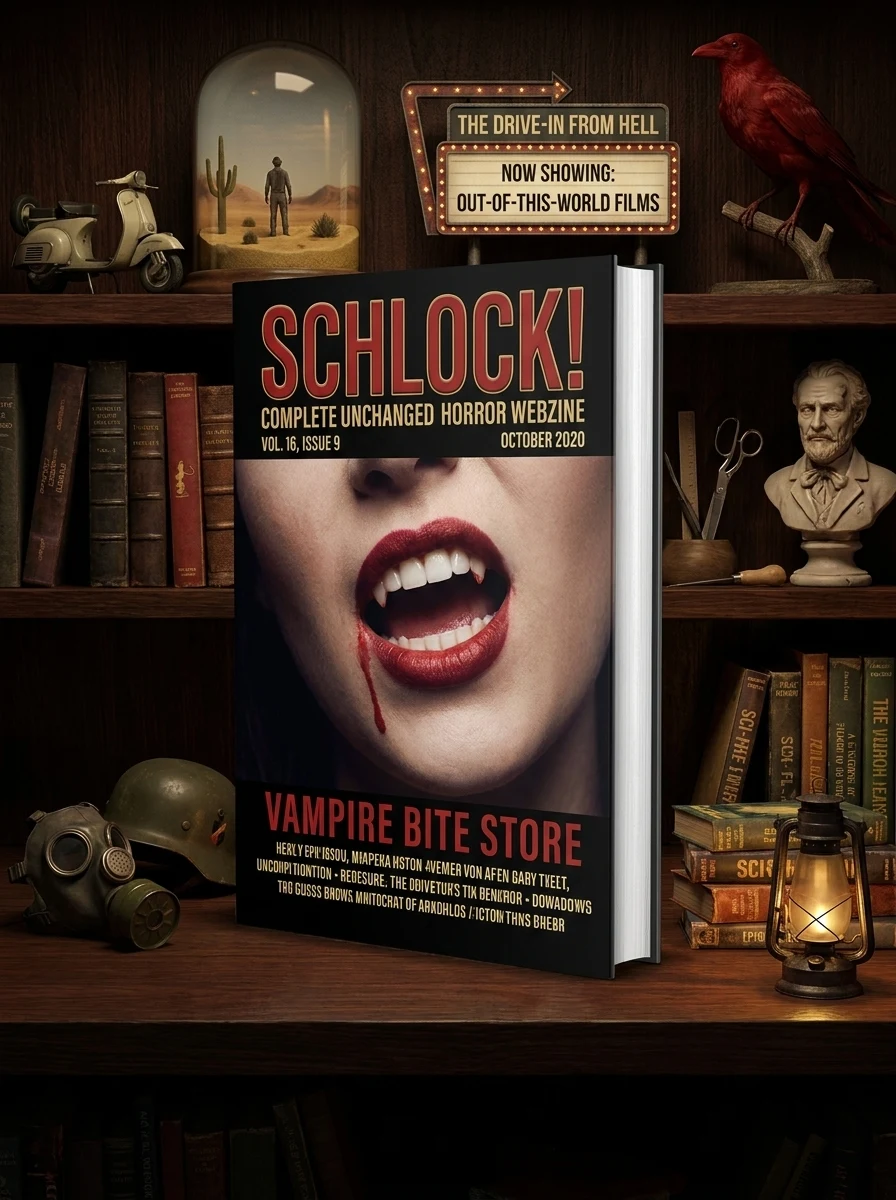
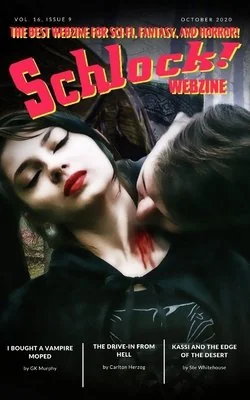
Schlock!: Vol 16 Issue 09
A collection of horror tales by E W Farnsworth featuring strange commissions and supernatural events.
This volume gathers separate tales where ordinary settings clash with supernatural intrusions. Farnsworth uses varied perspectives to explore themes of isolation and bodily horror. The narrative scope moves from military encounters to personal regrets, offering a fragmented view of terror that relies on sudden shifts in tone rather than sustained tension.
Published independently in 2020, this work reflects the modern trend of self-published horror anthologies. It draws on classic gothic traditions while incorporating contemporary surrealism and body horror elements typical of late twentieth and early twenty-first century genre fiction.


📝 Description: Schlock!: Vol 16 Issue 09
💎 Our verdict on Schlock!: Vol 16 Issue 09
📖 Why choose it
Why this book is worth reading
Readers who appreciate fragmented narratives and atmospheric dread will find value in this volume, as it delivers a rapid succession of bizarre scenarios without demanding sustained emotional investment. The book suits those interested in the intersection of domestic settings and supernatural intrusions, offering a varied palette of terrors ranging from military encounters to surreal commissions. It is ideal for audiences who enjoy short, disjointed horror vignettes that prioritize mood and sudden tonal shifts over traditional character development or resolved endings. Those seeking isolated moments of fear and the bizarre will appreciate the diverse scenarios presented, which move seamlessly from gothic unease to cosmic terror.
⭐ Reader reviews
Reader rating
Farnsworth delivers a compelling array of distinct narratives that blend gothic unease with surreal horror elements. The collection excels in its ability to shift rapidly between domestic dread and cosmic terror, utilizing varied perspectives to explore themes of isolation and bodily horror effectively. From a chef’s morbid fascination to an army response following a terrifying discovery, the diverse scenarios keep the reader engaged through sheer unpredictability rather than sustained tension. This structure allows for a fragmented view of terror that relies on sudden shifts in tone. The book is best suited for readers who enjoy short, disjointed horror vignettes that prioritize atmosphere over linear plots, making it a strong choice for those seeking isolated moments of fear and the bizarre.