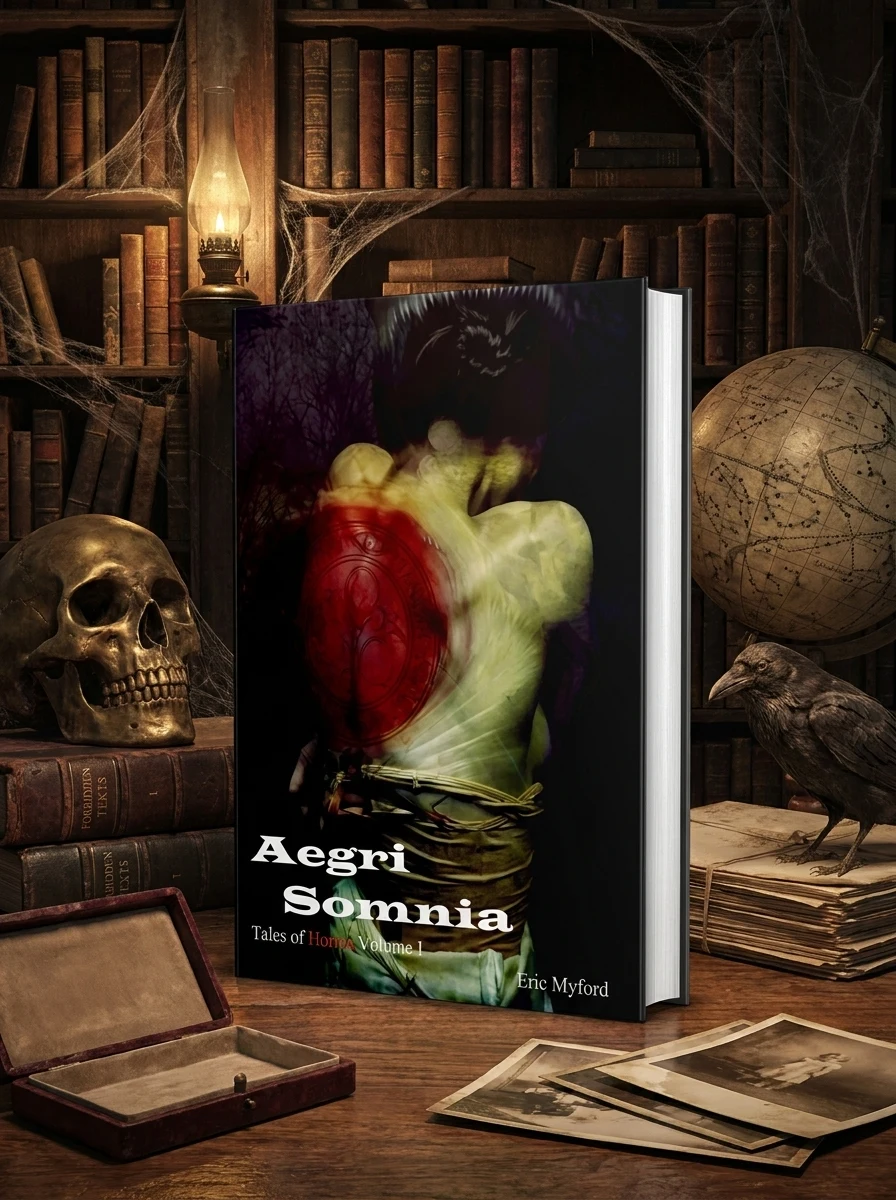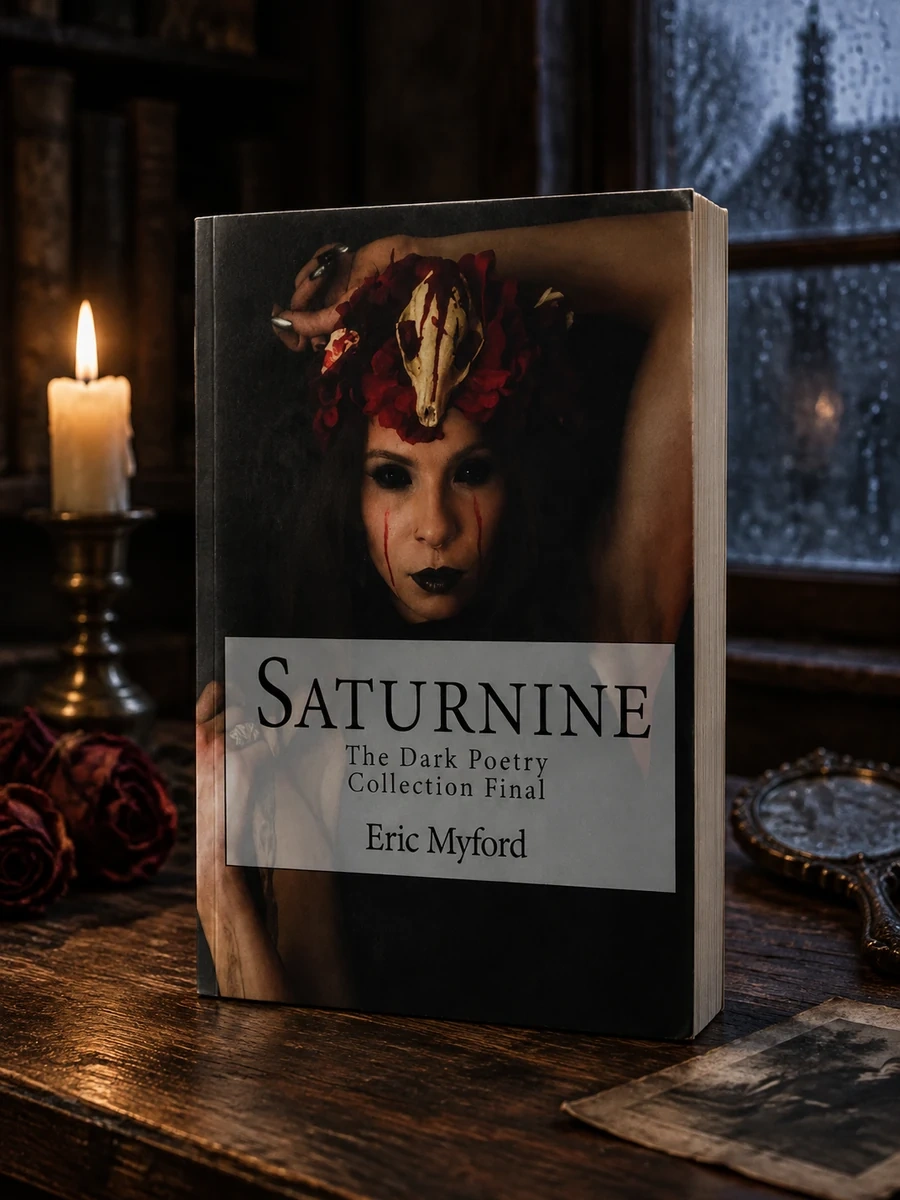
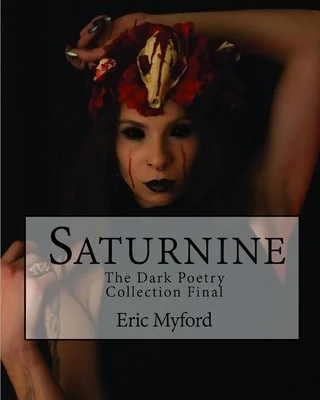
Saturnine: The Dark Poetry Collection Final
A final collection of dark poetry focusing on fear, failure, and inevitable doom.
This book functions as the concluding piece in Eric Myford’s poetic series. It concentrates on the psychological weight of despair and the return of ancient evils. The text does not offer redemption for most, but rather a confrontation with an unavoidable end. Readers will find verses that manipulate base emotions to highlight the fall from grace. The work is organized to lead toward a final reckoning. It suits those who enjoy the gothic tradition of exploring death and sorrow. It avoids bright or hopeful tones entirely. The author uses established horror tropes to create a sense of dread. This volume completes the narrative arc begun in previous works.
Published in 2020 by Independently Published, this work sits within the contemporary independent horror poetry market. It draws on gothic and supernatural traditions to explore themes of decay and finality. The book targets American readers interested in dark fiction that emphasizes psychological horror over action.


📝 Description: Saturnine: The Dark Poetry Collection Final
💎 Our verdict on Saturnine: The Dark Poetry Collection Final
📖 Why choose it
Why this book is worth reading
Readers seeking a definitive conclusion to Eric Myford’s poetic series will find this volume essential for understanding the narrative arc of inevitable doom. It suits enthusiasts of dark literature who appreciate the psychological impacts of despair and the deterioration of sanity amidst malevolence. Those who enjoy dense, atmospheric verse within the gothic and supernatural horror subgenres will gain from its consistent grim tone. The book offers a confrontation with an unavoidable end, appealing to those who prefer heavy emotional weight over casual entertainment. It is ideal for individuals who value the manipulation of base emotions to highlight the fall from grace and the return of ancient evils.
⭐ Reader reviews
Reader rating
Myford delivers a potent final volume that maintains a consistently grim tone, avoiding any bright or hopeful notes entirely. The collection effectively utilizes established horror tropes to create a profound sense of dread, guiding the reader toward a reckoning with little hope beyond limited absolution for a fortunate few. Its strength lies in its atmospheric density and exploration of fear and failure. It is best suited for dedicated fans of gothic fiction and psychological horror who appreciate the weight of sorrow and death. Casual readers seeking light entertainment may find the emotional burden too heavy, but those committed to the genre will find this a satisfying and inevitable conclusion to the series.