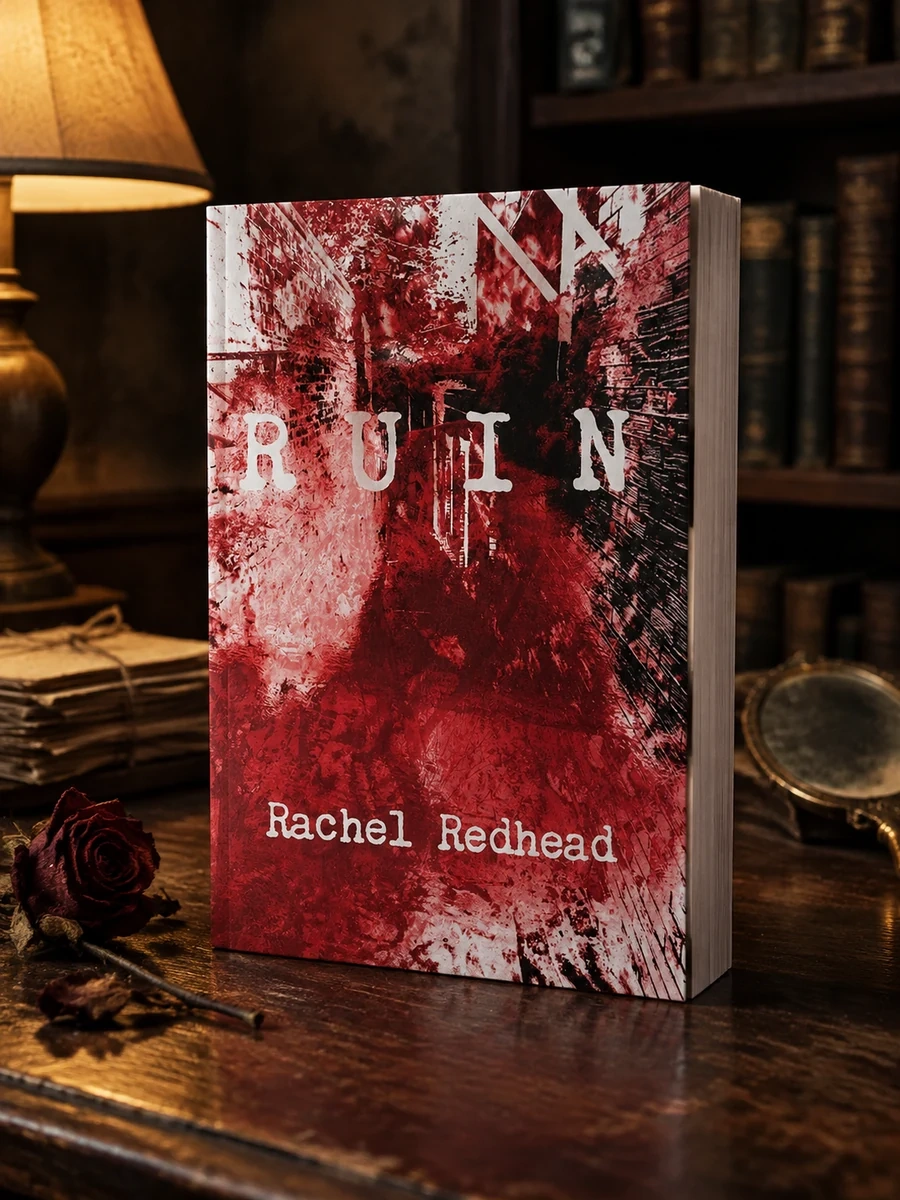
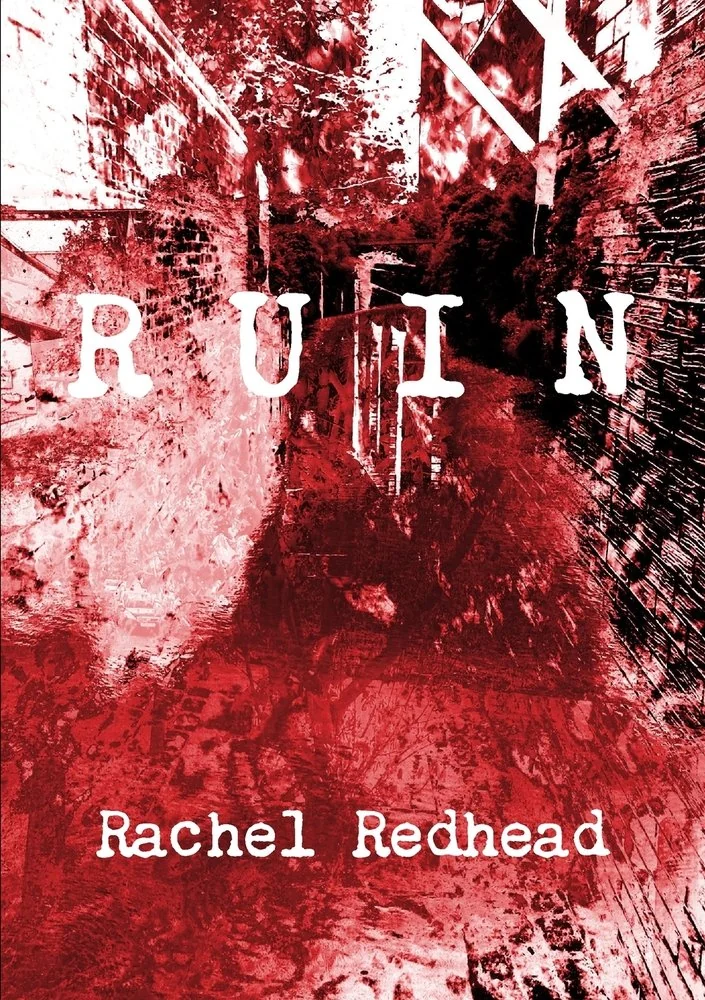
Ruin: A Tale of the Vengeance Cycle
A trans woman makes a deal with Death to become a vigilante avenger.
Valerie Ruiz transforms into Ruin after striking a bargain with Death. She targets murderers who escape justice due to their wealth. Bandit assists and hinders her mission with his affinity for fire. The plot focuses on urban corruption and personal retribution. Redhead writes from the perspective of a marginalized protagonist seeking balance. The story avoids traditional hero tropes by presenting a flawed, fearful heroine. It explores the psychological toll of becoming an instrument of death. The setting is a city where legal systems fail the poor. This angle highlights the intersection of supernatural power and social inequality.
Published in 2016 by Lulu.com, this work sits within modern independent horror fiction. It reflects contemporary discussions on trans rights and systemic injustice. The narrative engages with gothic traditions of deals with dark entities. It addresses American urban decay themes through a Brazilian protagonist's lens.


📝 Description: Ruin: A Tale of the Vengeance Cycle
💎 Our verdict on Ruin: A Tale of the Vengeance Cycle
📖 Why choose it
Why this book is worth reading
Readers seeking gritty urban fantasy and moral ambiguity will find value in this narrative, which centers on a trans woman’s transformation into an avenger. The book appeals to those interested in the psychological toll of vengeance and the intersection of supernatural power with social injustice. It offers a distinct perspective by avoiding traditional hero tropes, presenting instead a flawed, fearful heroine navigating a corrupt city. Fans of dark fantasy who enjoy exploring the cost of retribution and the complexities of marginalized identities will appreciate the depth of character and the critique of wealth-driven corruption inherent in the plot.
⭐ Reader reviews
Reader rating
Redhead delivers a compelling exploration of vengeance, grounding supernatural elements in harsh social reality. The protagonist’s journey from victim to instrument of death is rendered with psychological nuance, avoiding simplistic heroics. The dynamic with Bandit adds necessary conflict, while the setting highlights systemic failure effectively. This approach suits readers who prefer moral complexity over clear-cut resolutions. By focusing on a marginalized voice and the weight of her choices, the narrative feels fresh within the horror genre. It is particularly strong for those interested in how power dynamics shape retribution. The work stands as a distinct entry in contemporary literature, offering both thrills and thoughtful commentary on justice.