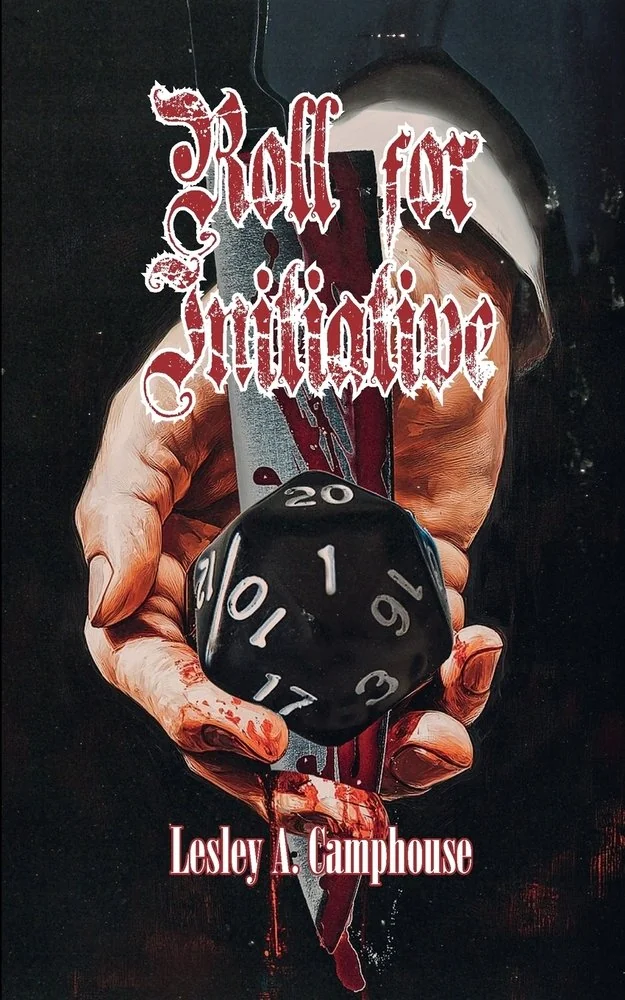
Roll for Initiative: An Extreme Horror
A horror novel about a gamer trapped by a toxic group.
Gemma’s move across the country promises a fresh start through her favorite pastime. She joins a group eager to play, but the dynamic shifts when one player becomes problematic. The game master refuses to stop the session, prioritizing fun over Gemma’s comfort. As the situation spirals, Gemma is forced to participate in a game that no longer feels safe or consensual. Camphouse writes this as a warning for all readers, highlighting the real dangers of ignoring red flags in social settings. The narrative focuses on the tension between individual boundaries and group pressure. It does not offer easy resolutions or heroic escapes. Instead, it presents a claustrophobic struggle where the stakes are personal and severe. The book relies on the fear of being silenced and powerless within a trusted circle.
Published in 2025 by Independently Published, this work sits within the contemporary extreme horror genre. It addresses modern anxieties surrounding tabletop role-playing games and online community dynamics. The text targets an adult audience with its explicit warning for mature content and intense psychological themes.


📝 Description: Roll for Initiative: An Extreme Horror
💎 Our verdict on Roll for Initiative: An Extreme Horror
📖 Why choose it
Why this book is worth reading
Readers interested in the intersection of gaming culture and psychological terror will find this book compelling. It appeals to those who appreciate narratives that dismantle the safety of trusted circles, offering a grim examination of group pressure and lost agency. The text serves as a stark warning about ignoring red flags in social settings, making it valuable for adults seeking intense, mature themes rather than lighthearted adventure. It is ideal for individuals who enjoy claustrophobic struggles and stories where the stakes are deeply personal, severe, and devoid of easy resolutions.
⭐ Reader reviews
Reader rating
Camphouse delivers a visceral exploration of coercion within a seemingly benign hobbyist setting, effectively leveraging the familiarity of tabletop role-playing to heighten dread. The narrative succeeds in portraying the suffocating tension between individual boundaries and group conformity without resorting to heroic escapes. By focusing on the psychological erosion of the protagonist, the author creates an atmosphere of genuine unease. This volume is best suited for adult readers who can withstand intense content and appreciate fiction that challenges social norms. It is unsuitable for those seeking traditional adventure or comfort, offering instead a raw look at power dynamics and silence.